
 KB News Desk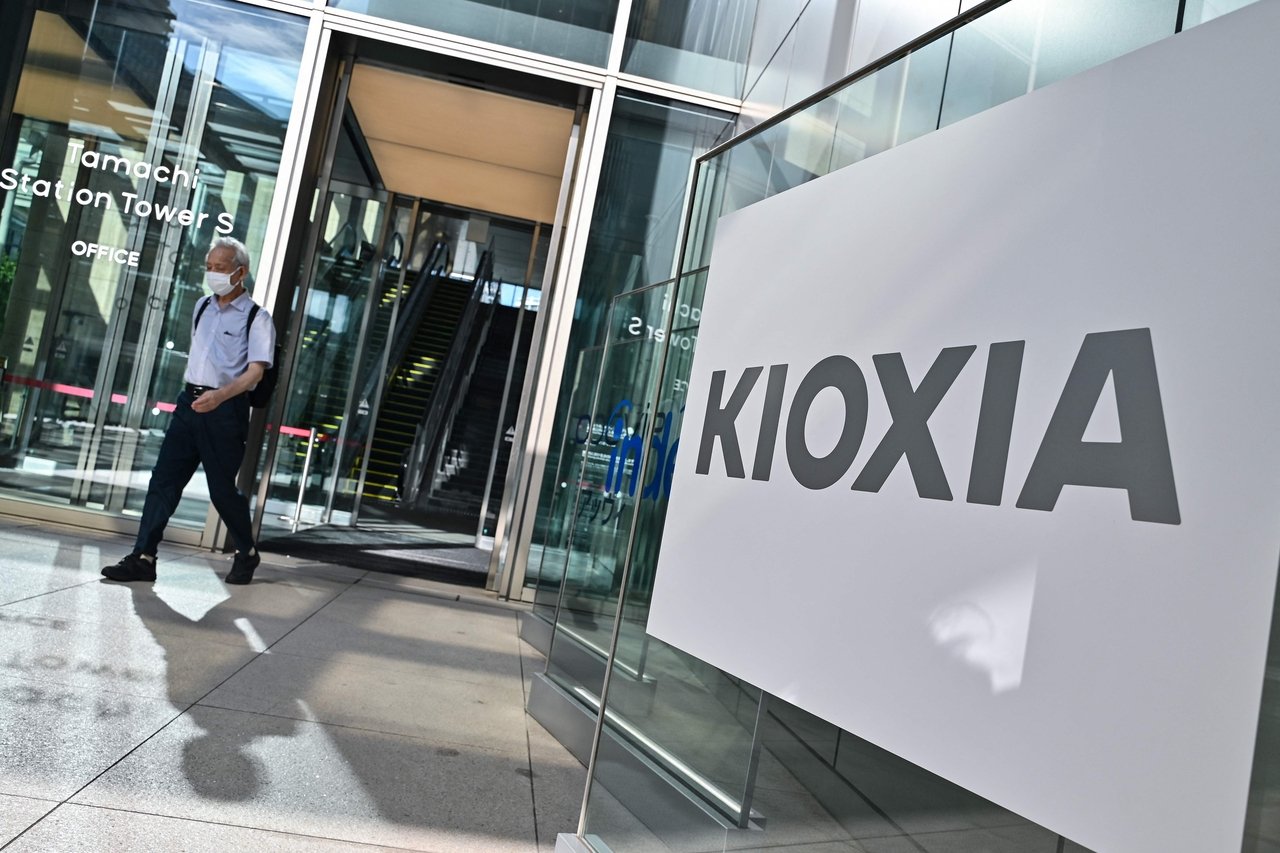
Voting rights remain limited, but change in shareholder structure could widen SK hynix’s options in NAND market
SK hynix has effectively secured the position of the largest shareholder in Japanese NAND flash maker Kioxia Holdings after a special-purpose company it invested in overtook Toshiba as the chipmaker’s top shareholder.
According to a filing Kioxia submitted to the Tokyo Stock Exchange on Monday, Toshiba cut its stake to 14.12 percent, or 77.04 million shares, as of Aug. 3, from 14.48 percent, or 79.03 million shares.
BCPE Pangea Cayman2, a Bain Capital-affiliated special-purpose company, meanwhile kept its holdings unchanged at 77.4 million shares, or 14.19 percent, overtaking Toshiba as Kioxia’s largest shareholder.
The change was not driven by additional purchases by the Bain vehicle, but by Toshiba’s continued sell-down of its Kioxia stake.
Toshiba owned roughly 40 percent of Kioxia when the Japanese chipmaker listed on the Tokyo Stock Exchange in December 2024. Its stake fell to 18.52 percent at the end of March, 16.10 percent in May and 15.10 percent by mid-July before dropping to just over 14 percent in the latest sale.
SK hynix’s ties to Kioxia date back to 2018, when it joined a Bain Capital-led consortium in the acquisition of Toshiba Memory, now Kioxia. The Korean chipmaker invested a total of 395 billion yen ($2.48 billion), including 129 billion yen in convertible bonds issued by the special-purpose company and 266 billion yen as a limited partner in a Bain-managed fund.
Kioxia is one of the world’s major NAND flash makers, competing with Samsung Electronics and SK hynix. SK hynix also owns Solidigm, the US-based subsidiary created after its 2021 acquisition of Intel’s NAND and solid-state drive business.
The latest shareholder shift, however, does not give SK hynix an immediate role in Kioxia’s management.
SK hynix currently holds convertible bonds in BCPE Pangea Cayman2 rather than shares in Kioxia itself, meaning it has no direct voting rights in the Japanese chipmaker. Converting the bonds into shares of the special-purpose company and securing voting rights could also require regulatory reviews in relevant jurisdictions.
SK hynix also agreed at the time of the Kioxia investment not to hold more than 15 percent of the Japanese company’s voting rights without Kioxia’s consent through 2028. The two companies’ status as direct competitors in the global NAND market poses another hurdle to any potential exercise of voting power.
Kioxia has also raised concerns about SK hynix’s potential influence. In its annual securities report released in June, the company noted that SK hynix holds convertible bonds that could give it voting rights in BCPE Pangea Cayman2, warning that the Korean chipmaker, as a competitor, could make decisions differently from ordinary shareholders if it were to exercise those rights.
“The change in the shareholder structure could work in SK hynix’s favor as the global NAND flash market is reshaped by factors including explosive growth in demand for high-performance enterprise SSDs from AI data centers,” an industry source said. “It could also broaden SK hynix’s strategic options going forward.”
According to the Korea Institute for Industrial Economics and Trade, the global memory semiconductor market was worth $159.8 billion in 2024, accounting for roughly a quarter of the entire semiconductor market. NAND flash accounted for $63.4 billion, second only to DRAM at $91.6 billion.
Samsung Electronics remains the global leader in NAND. In the first quarter of this year, Samsung held a 31.6 percent share of global NAND revenue, followed by SK hynix at 17.6 percent and Kioxia at 13.9 percent.
On a simple combined basis, SK hynix and Kioxia accounted for 31.5 percent of the market, just 0.1 percentage point behind Samsung. The two companies, however, remain independent competitors, and the figure does not represent joint market share or common control.
Industry watchers expect SK hynix to hold on to the convertible bonds for the time being rather than move quickly to secure voting rights. SK hynix is also understood to be weighing how best to use its Kioxia-related investment going forward.