
 KB News Desk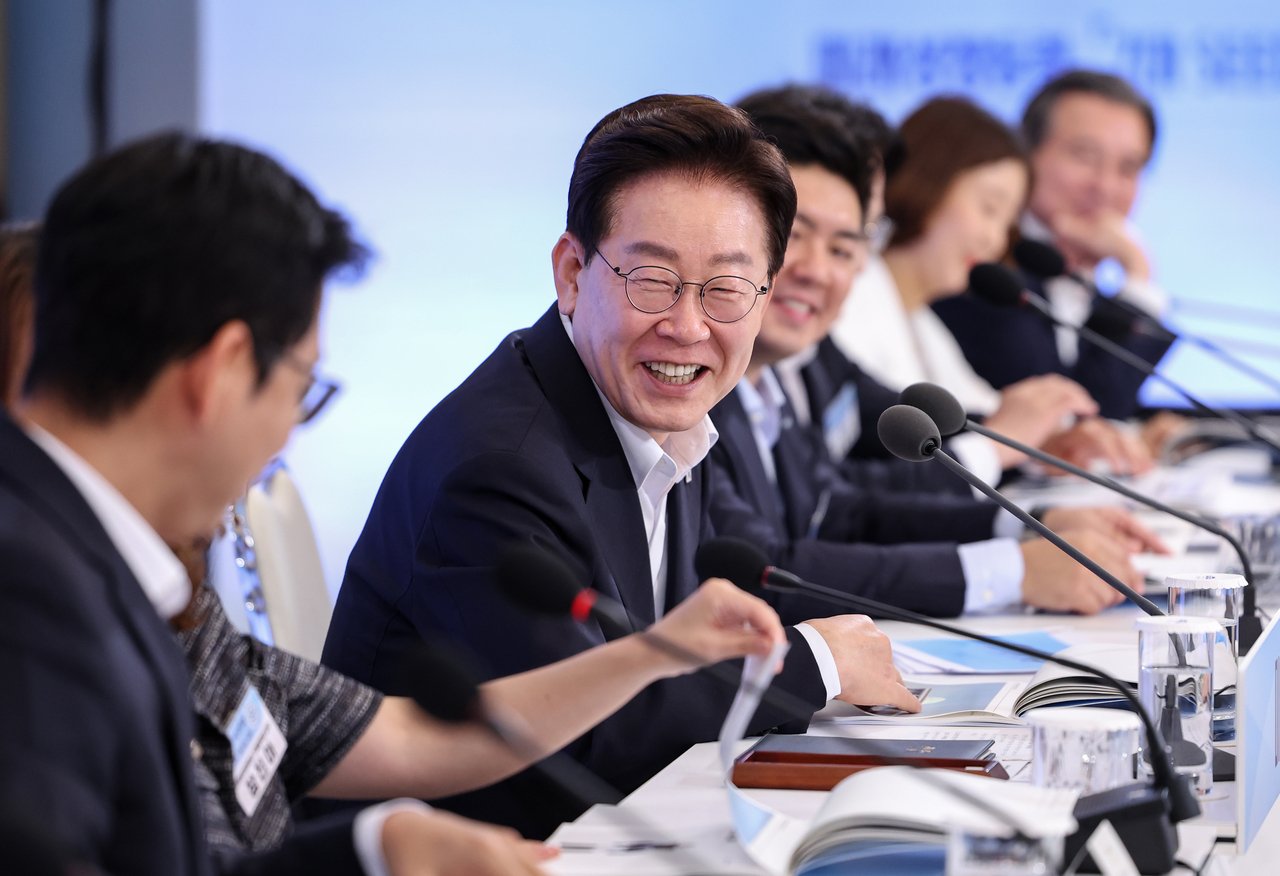
President Lee Jae Myung on Wednesday pledged full government support for seven advanced technologies, describing them as the country’s next “mega projects” that will power future economic growth.
Speaking at a briefing on the government’s so-called seven seed technologies for future growth initiative at Cheong Wa Dae, Lee said the technologies would become both the next growth engines of the economy and core strategic national assets.
“The seeds of advanced technologies we plant today will one day grow into giant trees and become new mega projects,” Lee said.
The meeting brought together around 60 government officials, researchers, entrepreneurs, venture capital investors, and science and engineering students to discuss ways to foster seven strategic industries identified by the presidential office as key assets for the country’s future economy and national security.
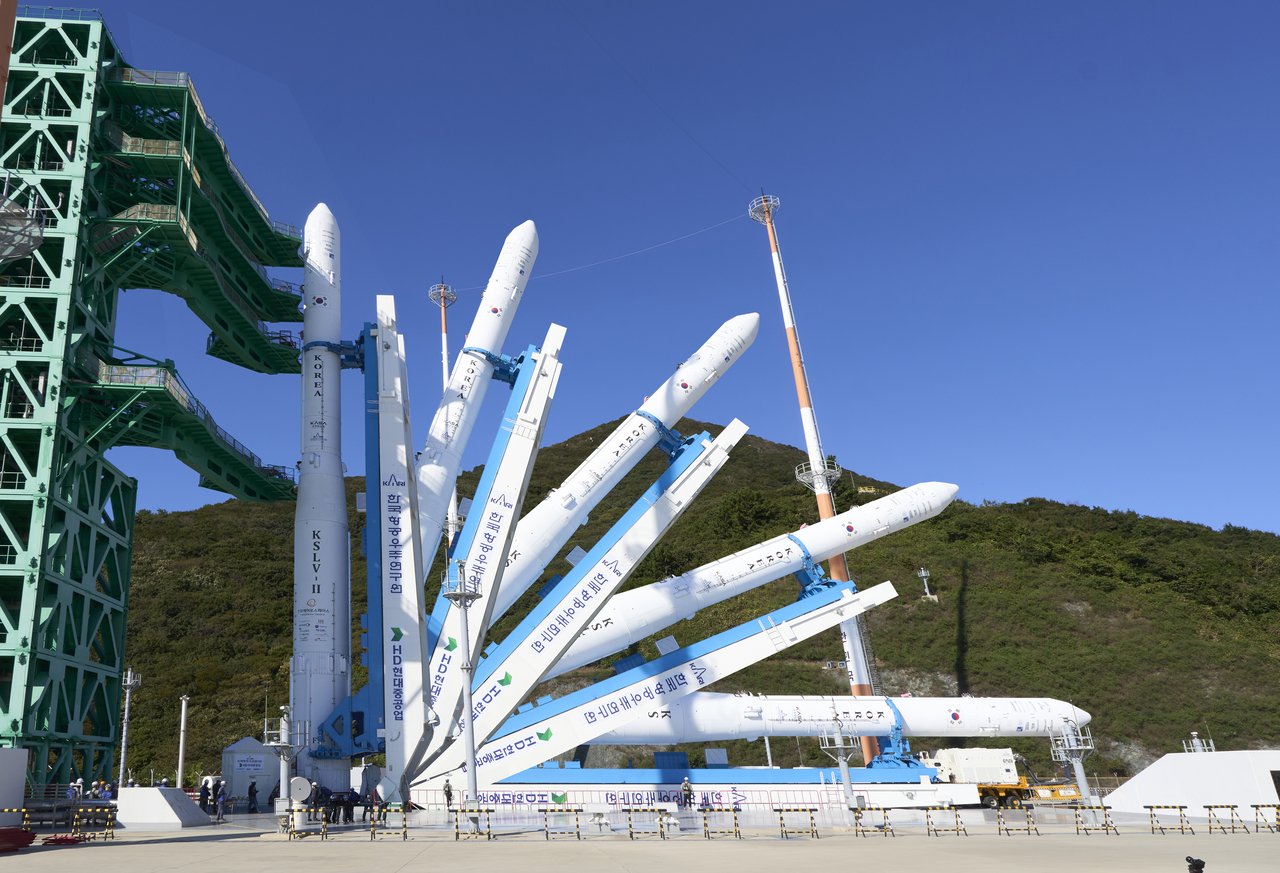
The seven “seed technologies” are small modular reactors, nuclear fusion, renewable energy, quantum technology, aerospace, advanced biotechnology, and supply chains for advanced materials and components.
The presidential office said the meeting was organized to explore ways to support South Korea’s AI transformation while securing and nurturing advanced technologies that will underpin the country’s next phase of economic growth. Participants also discussed measures to strengthen science and engineering talent and promote innovation in the research ecosystem.
Lee said the rapid pace of technological change makes it increasingly difficult to predict which industries will emerge as future growth drivers.
“One common characteristic of cutting-edge technologies attracting attention today is that technological replacement cycles are becoming extremely fast,” he said. “Individuals and countries alike will be left behind if they fail to keep up with change.”
Citing semiconductors as an example, Lee noted that the industry has entered what he described as a structural boom after recently facing concerns over a prolonged downturn.
“We are living in an era of great transformation, where it is extremely difficult to predict which advanced technologies will emerge in the coming years or how the industrial landscape will change,” he said.
Lee stressed that South Korea must capitalize on its strengths to prepare for the next stage of growth driven by artificial intelligence.
“It is up to us whether we become a leader that enjoys limitless opportunities or a follower constantly exposed to the risk of being left behind,” he said. “We must take advantage of the tremendous opportunity created by the semiconductor industry and prepare in advance for the next growth engine in the era of artificial intelligence.”
Calling on researchers and innovators to lead the country’s technological transformation, Lee urged participants to help South Korea evolve beyond its identity as a semiconductor powerhouse to become a global leader in advanced science, technology and talent.
“The government will provide firm support so that our innovative companies and scientists can freely pioneer new markets and boldly take on new challenges,” he said.