
 KB News Desk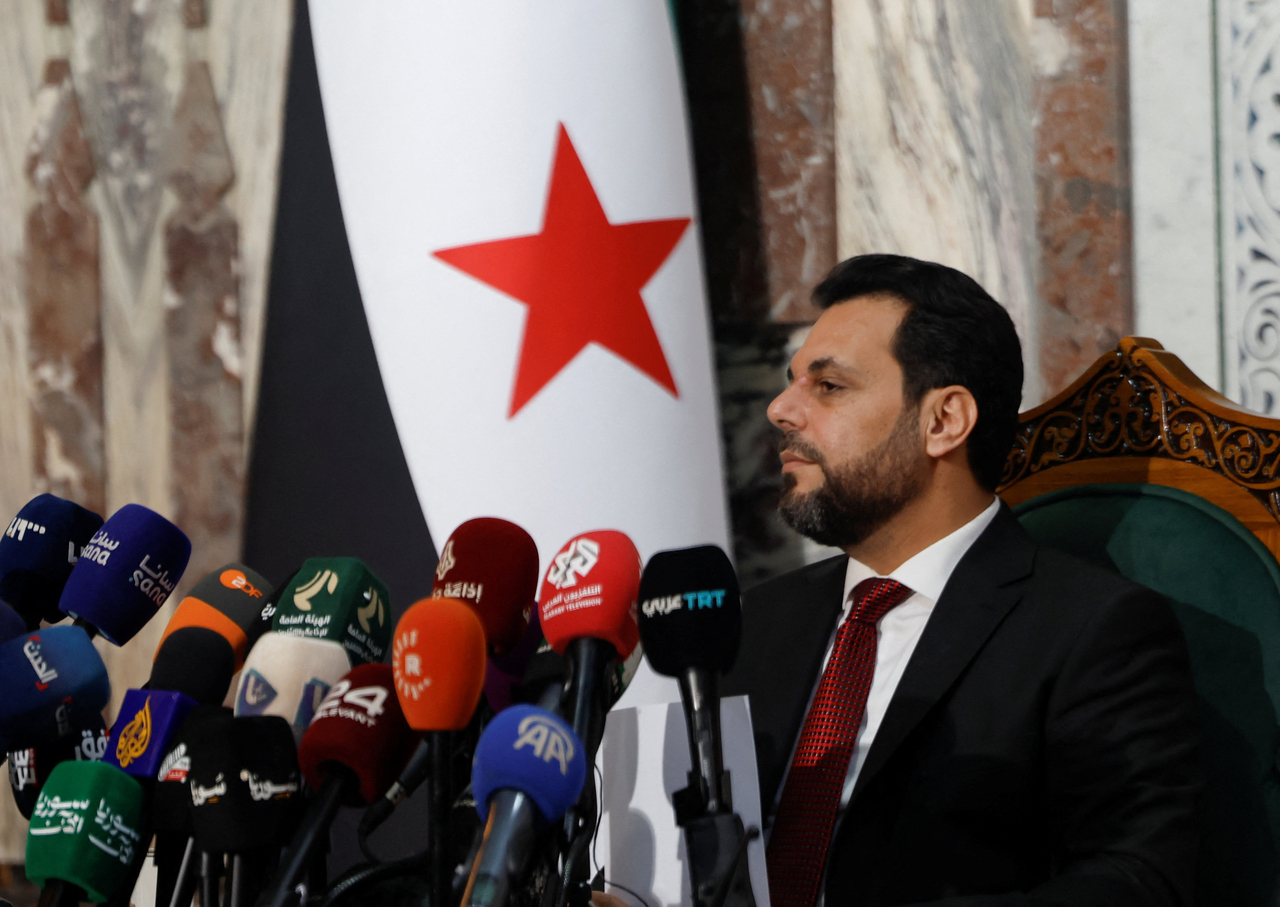
Syrian President Ahmed al-Sharaa on Wednesday finalized the formation of the country’s first post-Assad-era parliament, which is set to hold its first session next week in a step seen as a test for the country’s transition.
After toppling longtime ruler Bashar Assad in December 2024 after more than 13 years of civil war, the new authorities dissolved Syria’s rubber-stamp legislature and adopted a temporary constitutional declaration to cover a five-year transition period.
In a process that began in October 2025 and has been criticized as undemocratic, local committees appointed by the electoral commission — which was appointed by Sharaa — began selecting two-thirds of the 210 members of a new parliament, with the president to appoint the remaining third.
Mohammad Taha al-Ahmad, head of the electoral committee, read out the names of the 70 members appointed by presidential decree, which he said included relatives of civil war “martyrs, and survivors of imprisonment and of chemical attacks.”
They also include “academics and dignitaries,” he said, adding that the aim was to “represent the various segments of Syrian society and embody the unity of the nation.”
The parliament’s first session will be held next Monday, he said, adding that the body, which has a renewable two-and-a-half-year mandate, will form a committee to draft a constitution that must “meet the aspirations of Syrian society.”
Sharaa’s appointees include 15 women, and 13 people who were imprisoned under the former authorities.
The new lawmakers include actress Rozina Lazkani and activist Aisha al-Dibs, who heads the new authorities’ women’s affairs office and who has sparked uproar with controversial statements on the role of women.
They also include Hassan Soufan, the former head of the hardline Ahrar al-Sham Islamist movement who spent years in the notorious Saydnaya prison, as well as Anas al-Abdah, former head of the opposition in exile.
Also appointed was Gabriel Mushi Gowriyeh, a well known former opposition figure from Syria’s Assyrian Christian community.
The electoral commission announced the names of 119 of the 140 lawmakers chosen by local committees in October.
But the selection process in formerly Kurdish-run areas of the north and northeast could only be held earlier this year after the Damascus authorities assumed control there and signed a deal on integrating Kurdish institutions into the state.
Prominent Syrian Kurdish parties and forces rejected the outcome and said the individuals selected “represent themselves alone.”
Druze-majority Sweida province in the country’s south has still not designated its members, after sectarian bloodshed in July last year that an official investigative body said left 1,760 people dead.
The electoral committee’s Ahmad said the selection process would be held in Sweida when conditions were “appropriate.”
From Sweida, Sharaa has appointed Laith al-Balous, who commanded an armed Druze faction before Assad’s fall.
Balous is close to the new authorities but is not recognised by Sweida’s de facto local authorities — armed groups opposed to Sharaa.
Rights groups had previously criticized the selection process, saying it concentrated power in Sharaa’s hands and lacked representation for the country’s ethnic and religious minorities.
Sharaa has said the selection process is a temporary step until all Syrians can take part in direct elections.
Writer and political researcher Maher Tamran told AFP that finalizing the parliament “means Syria has begun moving gradually from a crisis-management stage to the stage of rebuilding institutions.”
He said it was “not the end of the transitional stage, but the start of its real test.”
“Will it be able to hold the government accountable? Will it truly participate in lawmaking? Will it reflect the diversity of Syrian society?” (AFP)