
 KB News Desk
At UIA World Congress, Seoul architects say Korean architecture is defined by relationships, not icons
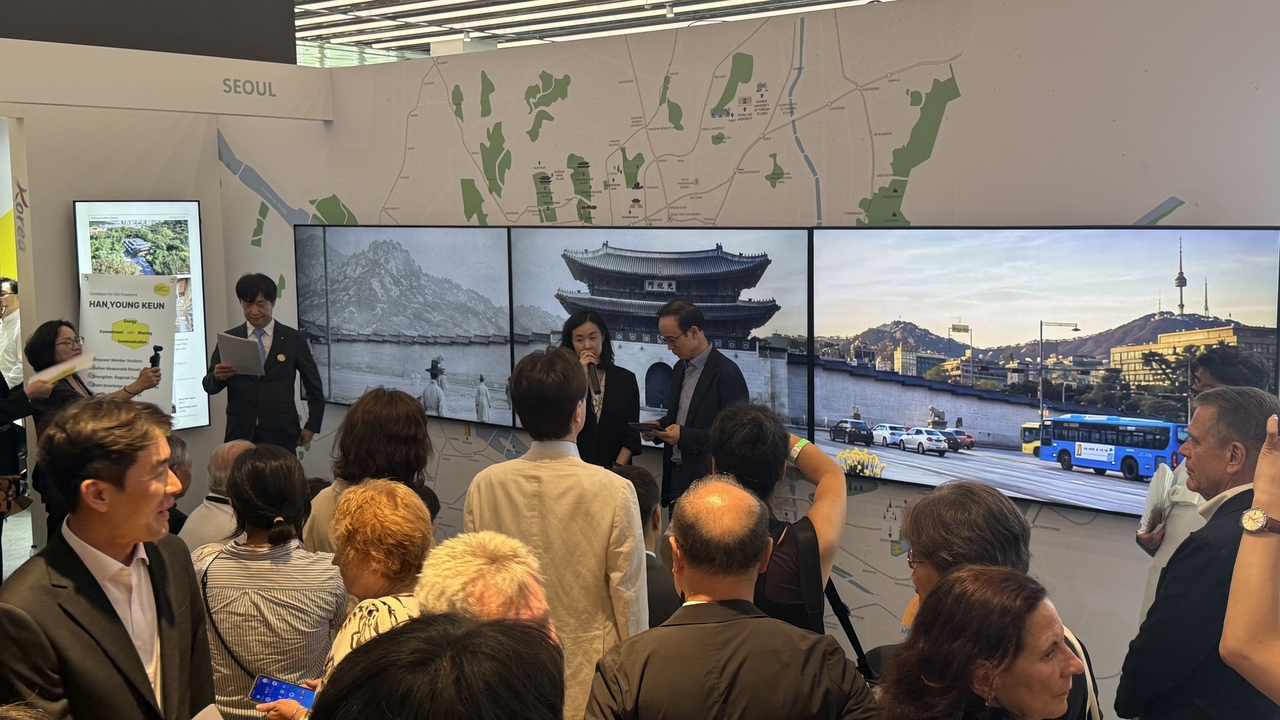
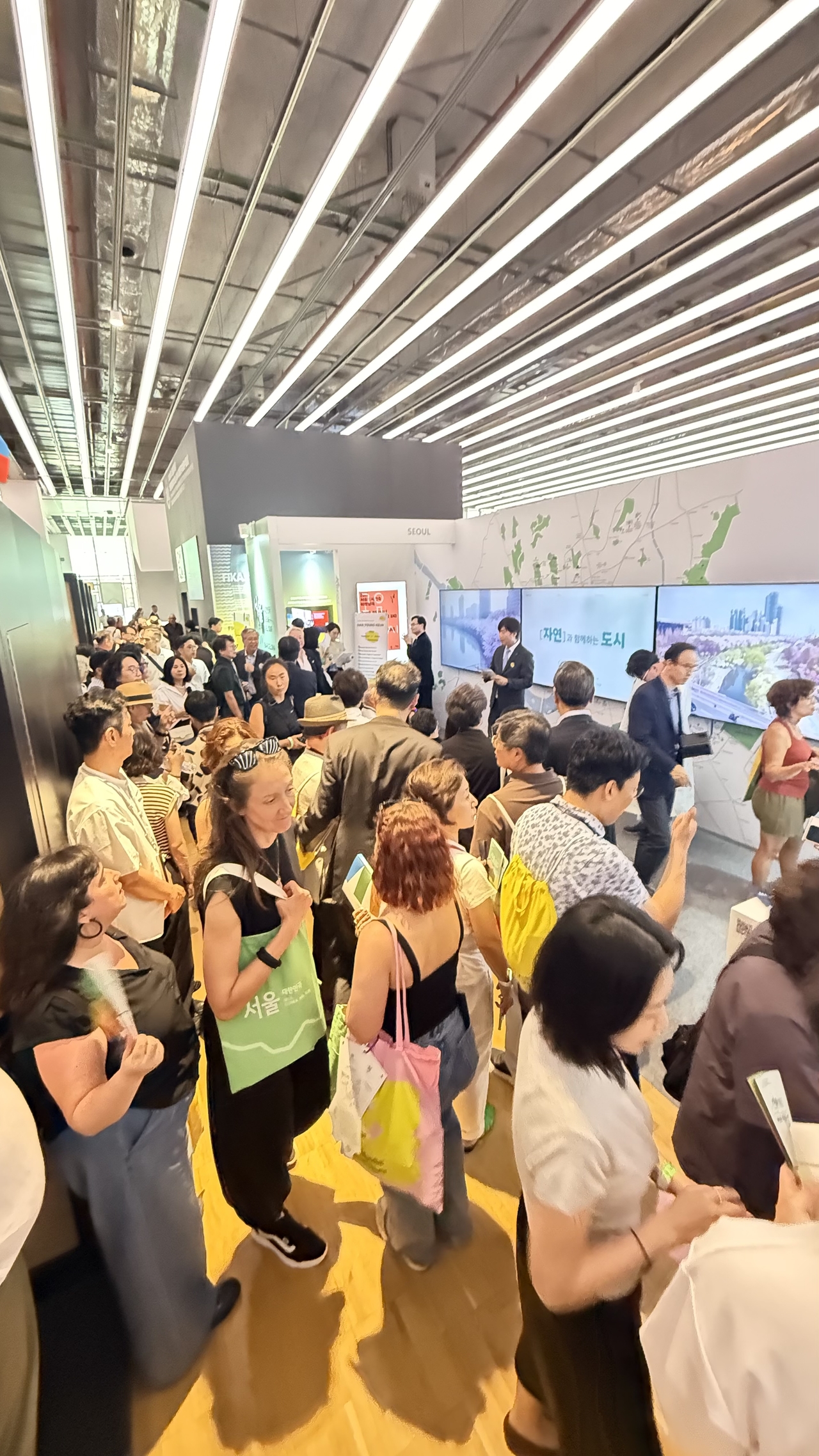
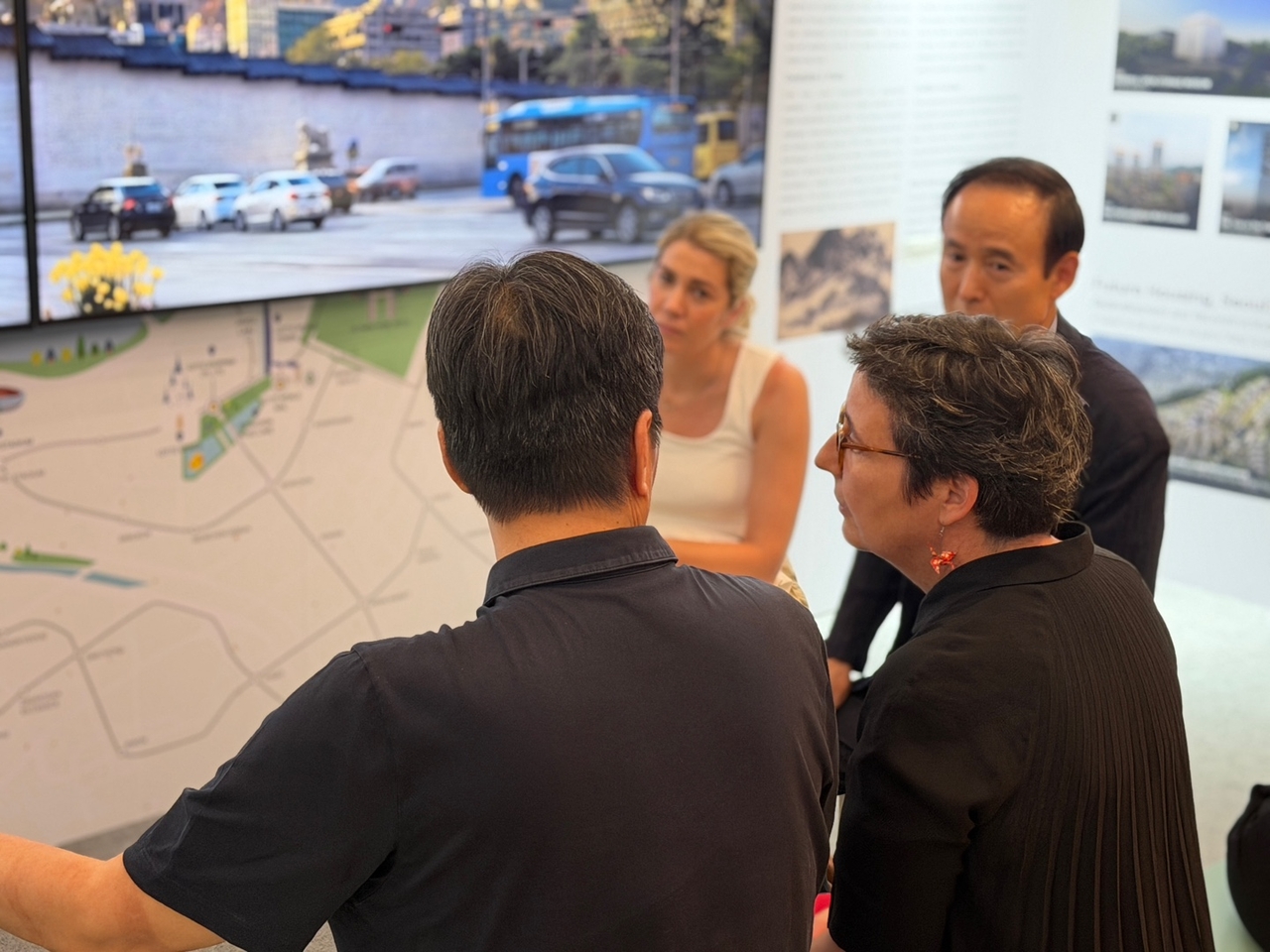
Seoul took its K-architecture initiative to the global stage this week at the UIA World Congress of Architects, using one of the world’s largest gatherings of architects to showcase Korean architects and present its vision for the capital’s built environment.
The participation was part of the Seoul Metropolitan Government’s broader push to promote Korean architecture globally under its K-Architecture Comprehensive Support Plan, according to Myung Nou-Jun, housing office director of the General of Architecture Planning Bureau.
The plan, announced in June 2025, aims to expand opportunities for Korean architects at home and abroad while strengthening the international competitiveness of “K-architecture.”
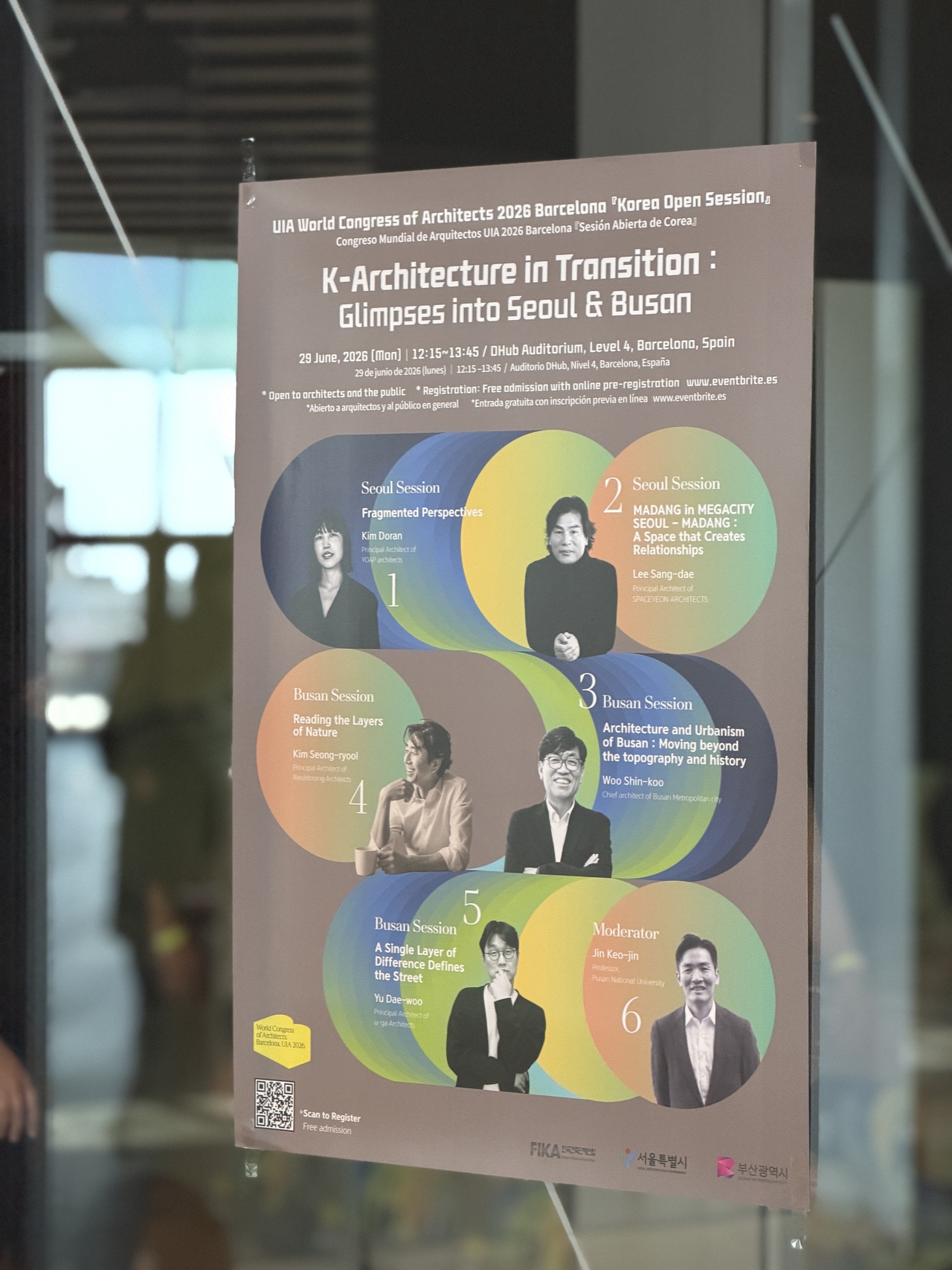
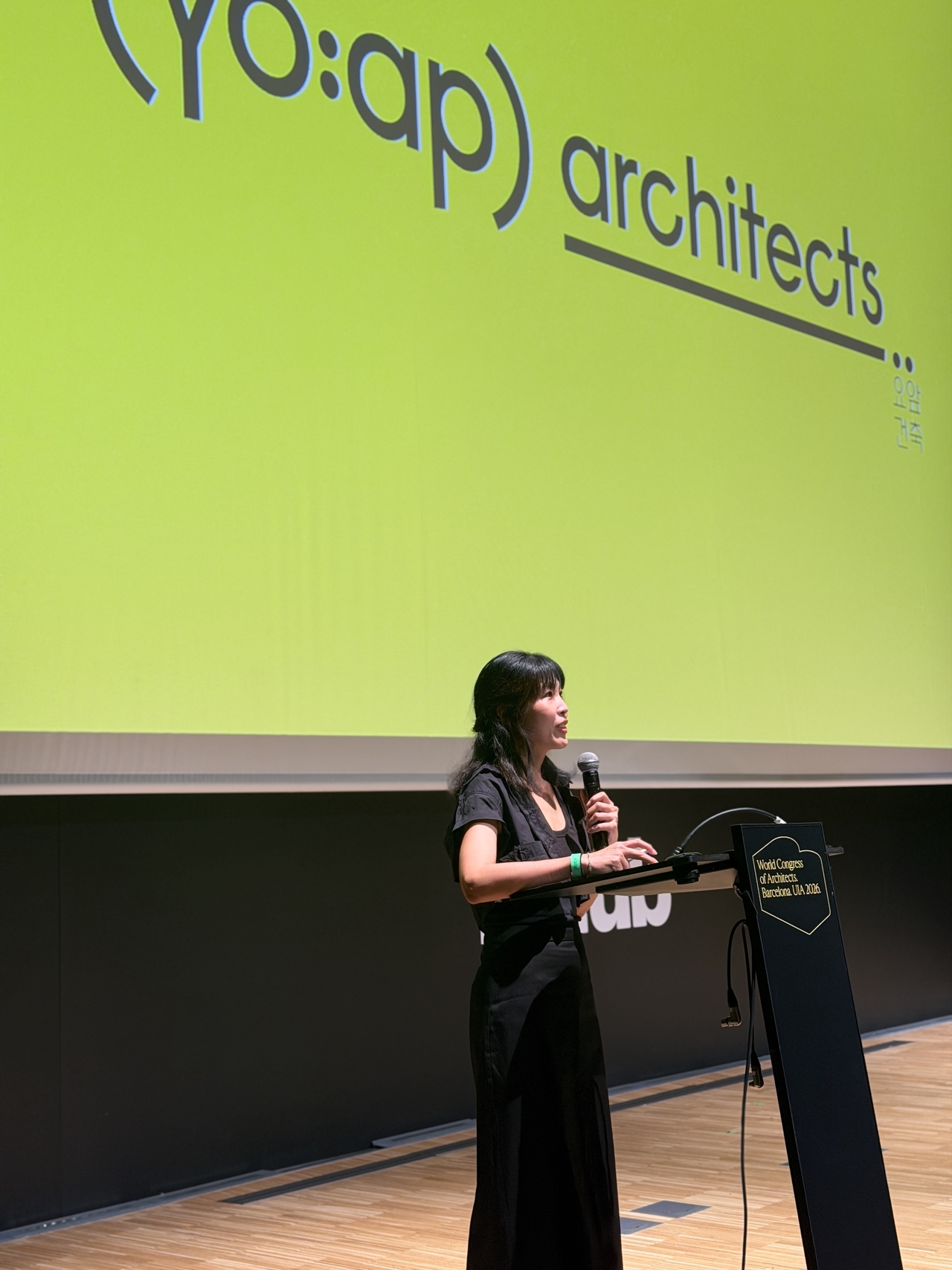
During the congress, Seoul presented an exhibition pavilion and joined Korea’s open session, which was co-hosted by the Seoul Metropolitan Government, Busan Metropolitan Government and Korean Institute of Architects. The session featured presentations by Korean architects Lee Sang-dae of Spaceyeon Architects and Yoap Architects founding partners Jeong Sang-kyong, Ryoo In-keun and Kim Do-ran.
Seoul as an architectural identity
For the architects representing Seoul, the city’s architectural identity lies less in landmark buildings or eye-catching skylines than in the relationship among nature, history and everyday urban life.
“Seoul should be understood not as a flat city, but as a city experienced through its cross-section,” Kim said.
“Unlike many global cities built on relatively level terrain, Seoul embraces its mountainous geography. Namsan rises at the city’s center, while neighborhoods such as Itaewon, Haebangchon and Gyeongnidan-gil reveal entirely different urban landscapes as visitors move uphill through narrow streets and stairways,” she said.
Their presentation featured the Gyeongri Stairway project in Itaewon, which transforms a steep hillside alley into a public connection. Rather than replacing the existing neighborhood, the project shows how architecture can strengthen relationships between streets, buildings and people while preserving the character of a place.
Lee offered a similar view, describing Seoul as a city where geography and history have become inseparable.
“Combined with layers of history stretching from the Joseon Dynasty and the Korean Empire through Japanese colonial rule, industrialization and rapid modernization, those conditions have created an urban landscape that continues to evolve,” Lee said.
That evolution, however, has come at remarkable speed. Large-scale redevelopment has reshaped neighborhoods, while new apartment complexes and commercial districts continue to redefine the skyline.
The challenge, the architects said, is ensuring that rapid growth does not erase the memories embedded in the city.
“We belong to a generation witnessing urban memories disappear at an extraordinary pace,” the architects of Yoap said.
“As new districts emerge, familiar places can vanish almost overnight. Today’s architecture is becoming less about inventing something entirely new and more about reconnecting fragmented memories,” they said.
While the industrialization era prioritized quantitative growth, they said, today’s Seoul is increasingly pursuing the quality of urban life.
Renovations of older buildings, adaptive reuse projects and small-scale interventions are beginning to coexist with large redevelopment schemes, creating new possibilities for the city while raising questions about what should be preserved.
What defines ‘K-architect’?
The question of what defines the “K-architect” lies at the heart of how the architects define K-architecture.
For decades, Korean architecture has often been introduced overseas through hanok, royal palaces and temples. While those remain essential parts of Korea’s architectural heritage, Lee and the architects of Yoap said contemporary Korean architecture should not be understood solely through tradition.
“When we talk about K-culture today, we don’t define it only through tradition,” Lee said. “It reflects the lives and culture of contemporary Koreans. Architecture should be understood in the same way.”
The architects of Yoap described K-architecture not as a style, but as a way of thinking.
“K-architecture is not a genre or a formal language,” they said. “It is a mindset that constantly seeks to connect the past with the present.”
Architecture, they added, should encompass not only physical buildings but also the stories, memories, experiences and everyday events that unfold within them.
That philosophy also shapes how they view one of Seoul’s defining characteristics: density.
“Density simply means closeness,” they said. “It means people, buildings, streets, old and new all exist close together. The more constraints there are, the more architecture shifts its focus from creating forms to creating relationships.”
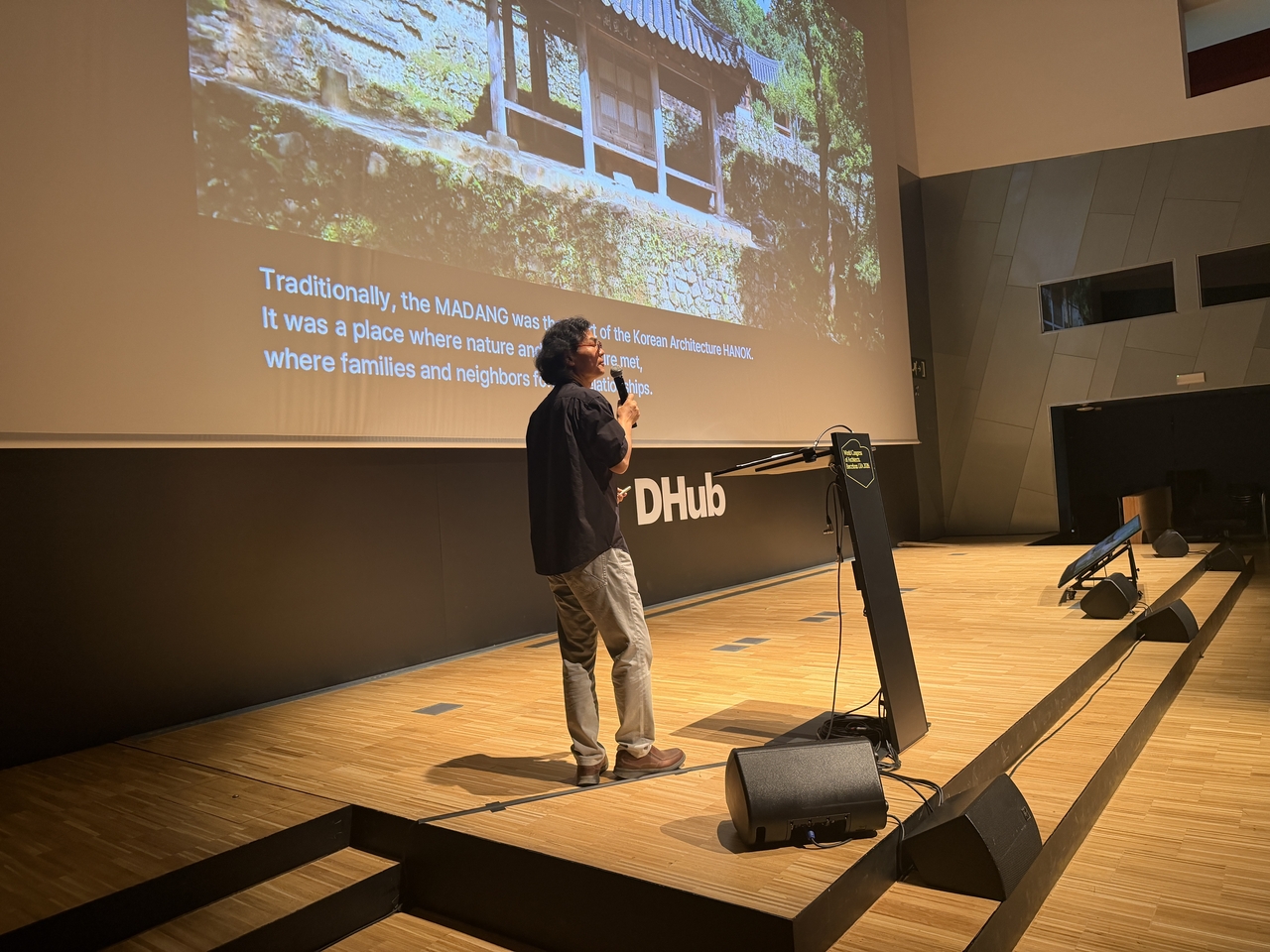
Lee’s own work similarly explores how traditional spatial ideas can be reinterpreted for contemporary cities. Rather than re-creating hanok, he has experimented with new forms of the “madang,” or courtyard, as shared spaces that reconnect people with nature, neighboring streets and collective memory.
Asked whether Korean architecture has received sufficient international recognition, Lee said: “not yet.”
While the absence of internationally recognized “starchitects” is often cited as one weakness, he said the more important story lies elsewhere.
“Cities are not created by a handful of landmark buildings,” Lee said. “They are created by countless anonymous buildings.”
He said Seoul’s growing community of talented architects, together with clients and users who increasingly value quality design, is gradually transforming the city’s architectural landscape. As those changes accumulate, he said, international recognition will naturally follow.
What makes a ‘good city’
That idea became even clearer during the architects’ visit to Spain for the UIA congress.
After experiencing works by Spanish architect Santiago Calatrava in Valencia, they said they were reminded that great architecture shapes far more than a single building.
“Children play there, visitors experience the city through those spaces and residents spend their everyday lives there,” they said. “Over time, those places become part of a city’s collective memory.”
For them, architecture succeeds not when it produces an iconic structure, but when it changes how people experience a city.
“Architecture is not simply about creating space. It is about creating the future of a city,” they said.
That belief also shapes how they see Seoul’s future.
“Seoul already has many dynamic and remarkable buildings,” the architects of Yoap said. “The question is no longer what we should build next, but what we should help people remember.”
After decades of rapid growth, they said, the capital has reached a point where it needs to think more carefully about direction.
“Architecture is not the technology of making a city new,” they said. “It is the culture that helps people fall in love with their city again.”
Lee described Seoul as a “city in progress,” but cautioned that constant change alone cannot define its future.
“If Seoul loses the natural landscape and accumulated memories that have shaped its identity, it will lose what makes it Seoul,” he said. “The city’s future should be guided not only by development and economic logic, but by culture and the everyday lives of its people.”
He added that if Seoul can evolve while preserving that identity, it has the potential to become one of the defining cities of the 21st century — much as Paris represented the 19th century and New York the 20th.