
 KB News Desk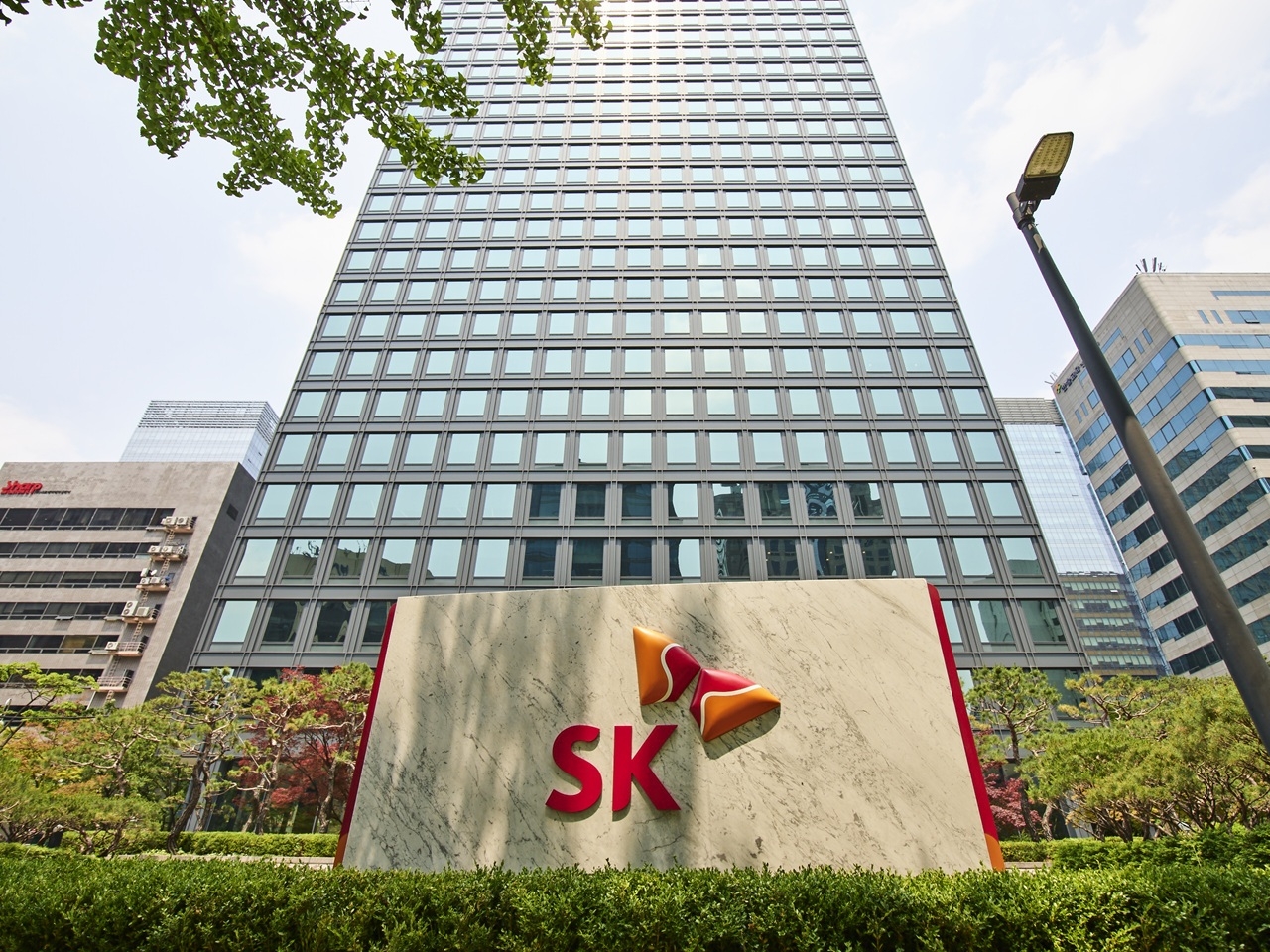
SK Inc. said Wednesday it will partner with US private equity firm KKR to launch South Korea’s largest renewable energy company, consolidating group-wide clean energy assets to meet rising power demand from artificial intelligence data centers and semiconductor plants.
The company said it signed an investment agreement with funds managed by KKR to set up the integrated renewable energy firm, tentatively named HoldCo, by the end of this year.
The new entity will combine renewable energy assets currently held by SK Innovation, SK Ecoplant and SK Discovery. KKR will own 51 percent of the company, while SK Inc. will hold 49 percent.
KKR will initially take management control, though SK Inc. said it may seek control later through further negotiations.
The venture will cover solar, onshore and offshore wind, fuel cells and energy storage systems, excluding hydrogen. SK said the integration will bring together assets that had been spread across affiliates and improve efficiency in development, construction, operations and maintenance.
“Korea is one of the most attractive renewable energy markets in Asia, with strong corporate demand for clean power across semiconductors, data centers and manufacturing,” said Kim Yang-han, KKR’s head of infrastructure for Northeast Asia.
“Through this partnership, we will build a large-scale renewable energy platform that can stably respond to the high power demand of Korean industry,” Kim said.
For SK, the integration is part of a broader portfolio rebalancing effort to strengthen the competitiveness and sustainability of its renewable energy business, an SK official said.
“By combining KKR’s capital strength with SK’s execution capabilities, we will respond to rapidly growing demand for clean energy and build a sustainable long-term growth model,” the official added.
The company operates about 1.7 gigawatts of power capacity. SK and KKR plan to expand that to 10 gigawatts by 2031, nearly six times the current level.
SK said 10 gigawatts would be enough to power 100 large-scale, 100-megawatt data centers, underscoring the role clean electricity is expected to play as AI infrastructure and semiconductor production drive up power demand.
The deal comes as renewable energy projects require increasingly large upfront investments, adding pressure on companies seeking to expand capacity while keeping debt under control. SK said the partnership will help secure growth capital while easing the financial burden on individual affiliates.
SK said the new company could also benefit from KKR’s global renewable energy network, overseas project pipeline and procurement capabilities. Joint purchasing and scale could lower costs, while a broader asset base could help reduce project-specific risks.
KKR manages more than $100 billion in infrastructure assets globally and has invested about $31 billion in renewable energy infrastructure since 2011. Its Asia-Pacific energy transition investments include India’s Serentica Renewables, Australia’s CleanPeak Energy and off-grid energy platform Zenith Energy.