
 KB News Desk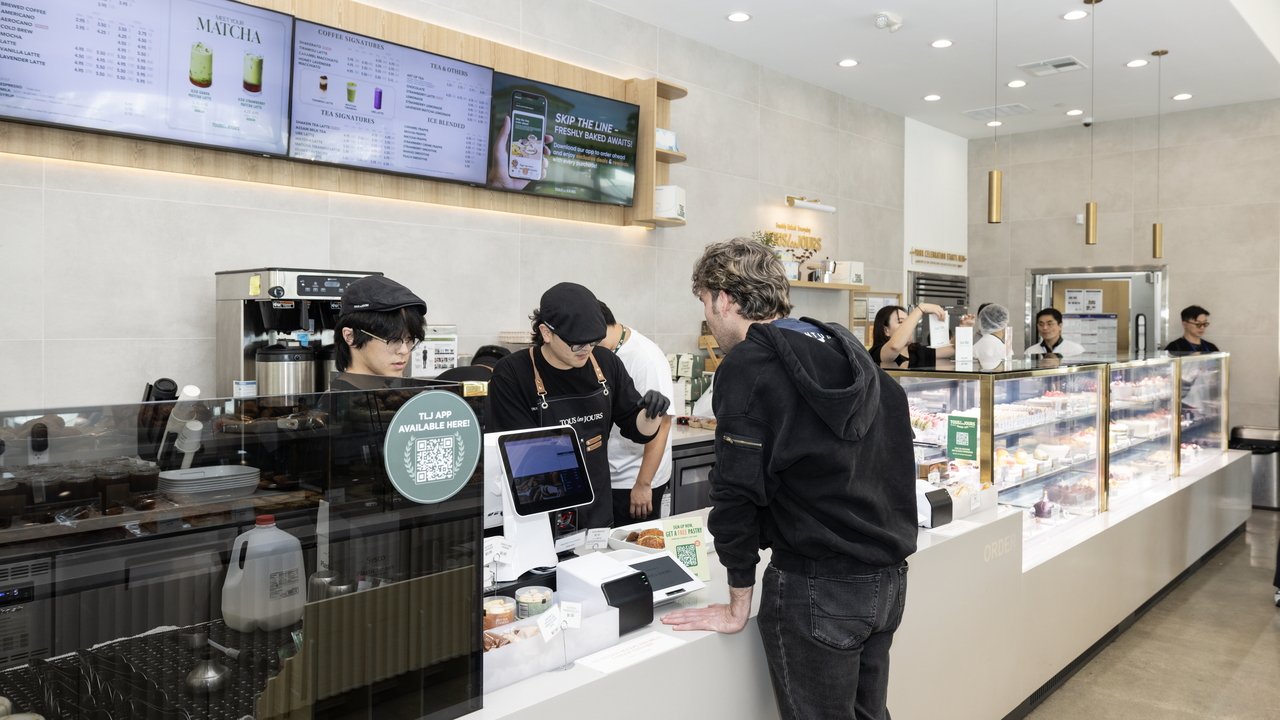
CJ’s US bakery rides eight years of profit toward 1,000 stores by 2030 on Korean-themed design, menu, atmosphere
Korea Herald correspondent
LA HABRA, California — CJ Foodville, CJ Group’s food service arm, brought Tous Les Jours to the United States in 2004, becoming the first Korean bakery chain to do so. After years of ups and downs, profitability finally took hold and has now been sustained for eight straight years.
Part of the success story plays out inside one of the chain’s 205 US stores, a roughly 80-seat outpost in La Habra, California, where the typical American bakery experience takes on a Korean cast, spanning store design, menu and general cafe-like atmosphere.
Even though Asian residents make up little more than 10 percent of the neighborhood, the store still wins customers who recognize it as Korean on their own.
“We’re implementing almost the exact same product lineup here that you’d see at flagship stores in Korea,” An Seung-jun, head of CJ Foodville USA, said during a briefing at the store on Friday.
“Continuing to underscore our Korean identity is central to how we court customers, and acceptance of Asian-French bakeries like ours appears to be steadily broadening in the mainstream American market,” he added.
The clearest expression of that identity is the chain’s top seller, Cloud Cake, a whipped-cream sponge cake that differs from the butter base common to American cakes. A recently launched version is Agjak, a cake shaped like a piece of fruit with real fruit pulp inside, riding the buzz from Korea.
“Customers describe our cakes as ‘cloudy’ and say they taste better than butter cake,” An said. “That’s why they’re seen as premium and worth paying more for.”
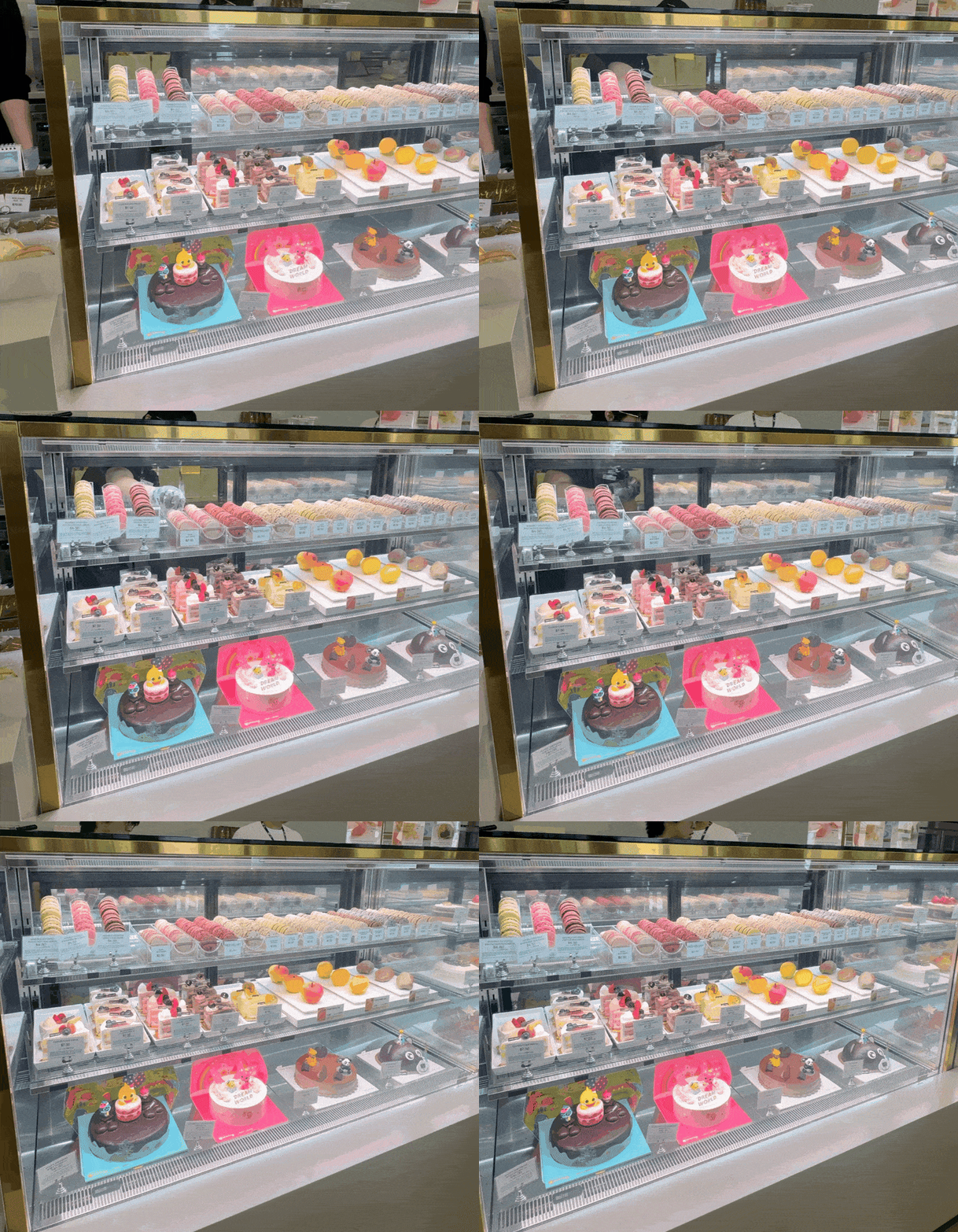
Nearby shelves hold proven hits like milk cream bread, salt bread and kimchi croquettes, all arranged for customers to pick out themselves. The beverage menu, offering both coffee and drinks currently trending in Korea, has also become a selling point.
An American customer in her 40s who lives nearby said she stops in mainly for the milk bread. “It’s so much softer than the bread I find at a regular grocery store,” she said.
Kim, a teenager attending school in the US, said the menu variety and cafe-like environment remind him of home. “The bread quality here is just better than most American bakeries,” he said. “A lot of my American friends know this place too, and they’ll stop by whenever they want to try something new.”
Behind that consistency in taste and quality lies the brand’s policy of baking and serving everything the same day on site, as well as a deliberate effort to replicate Korea’s flavor profile despite a reliance on locally sourced ingredients like flour.
“We found that our bakery items have broad appeal beyond just the Asian segment,” Ofelia Kumpf, chief operations officer of CJ Foodville USA, said. “Our growth plan is to hold onto our Korean-French bakery roots and really highlight the K-ness for our customers.”
The chain’s US unit is on track to open 1,000 stores by 2030, with revenue rising from 51 billion won ($36.5 million) in 2021 to 194.6 billion won last year. It has been running a factory in Georgia since late last year that adds over 100 million units of annual capacity.
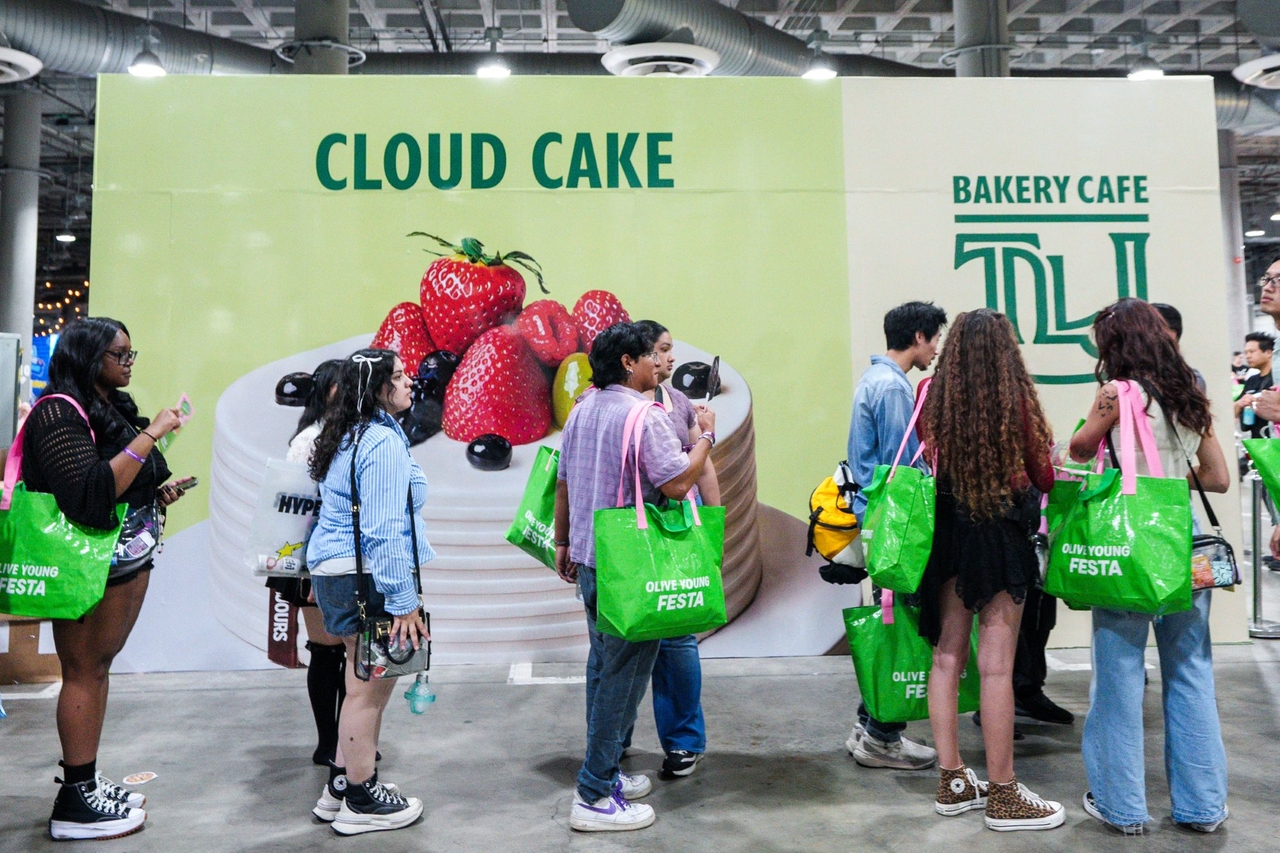
Most recently, it brought its presence to the group’s K-culture festival, KCON LA, running a brand zone where visitors turned out for a photo spot and interactive games tied to brand-themed giveaways.
“Taking part in KCON LA 2026 let us convey the appeal of K-bakery to local customers and expand our points of contact,” a company official said.