
 KB News Desk
81 years of diplomacy span Korea’s journey from Syngman Rhee’s “ownerless object” under great-power sway to Lee Jae Myung’s vision of “Irreplaceable Korea”
Liberation came in 1945. Sovereignty — and with it, the authority to speak and act abroad in Korea’s own name — did not.
Three years later, a Korean government delegation went to Paris to ask the United Nations to recognize the Republic of Korea. The fledgling state had a flag and a government, but neither a seat nor a vote at the UN.
It would take another 43 years for South Korea to become a full UN member in 1991.
Eighty years after liberation, a South Korean president presided over a 2025 meeting of the UN Security Council, the body responsible for maintaining international peace and security.
What began as a struggle for survival evolved into an instrument of development, a way to break through Cold War constraints and, eventually, a means of widening Korea’s influence.
Today, Seoul speaks of building an “Irreplaceable Republic of Korea” and becoming a “globally responsible power.”
The ambition captures the reversal at the heart of Korea’s 81-year diplomatic history: A country once dependent on others for survival is increasingly shaping its own future, taking on more responsibility beyond its borders — and becoming a country the world has reason to value.
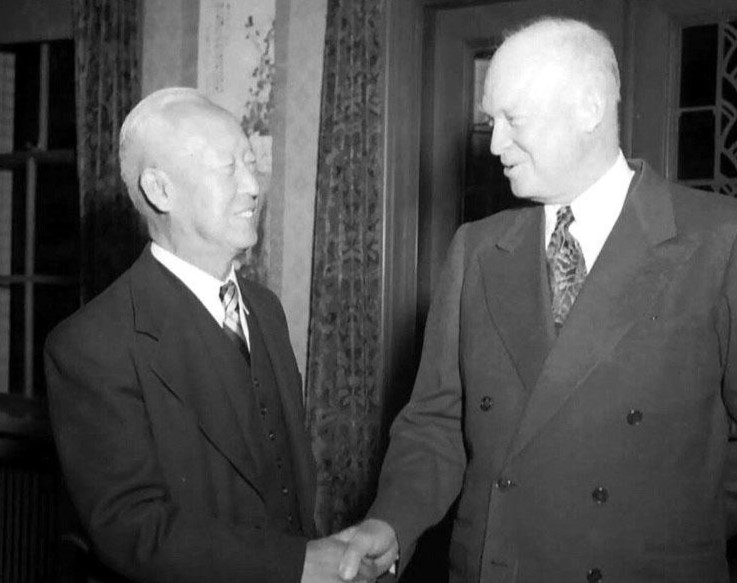
Survival by making abandonment costly
The republic’s first diplomatic imperative was existence.
The Korean War ended in 1953 with an armistice South Korea did not sign. Washington wanted a ceasefire; President Syngman Rhee feared division would be frozen and leave Korea’s future once again in the hands of greater powers.
Unable to match American power or dictate the settlement, Rhee released anti-communist prisoners of war and threatened to fight on, raising the cost of excluding Seoul.
The armistice went ahead. However, Rhee’s resistance increased pressure on Washington to provide the long-term commitment Seoul wanted: the 1953 Mutual Defense Treaty.
In a public address after the treaty, Rhee described Korea’s historical predicament as that of a small but coveted country surrounded by stronger powers — a peninsula repeatedly treated as if it were “an ownerless possession passed from one master to another.”
“It is difficult to guarantee independence without relying on some powerful neighboring country,” he said.
The alliance did not end dependence. It changed its consequences: abandoning Seoul would now carry a cost for Washington as well.
At the 1954 Geneva Conference, South Korea finally joined negotiations over the peninsula’s future. But presence was not power. Korea had gained a voice; larger powers still determined the outcome.
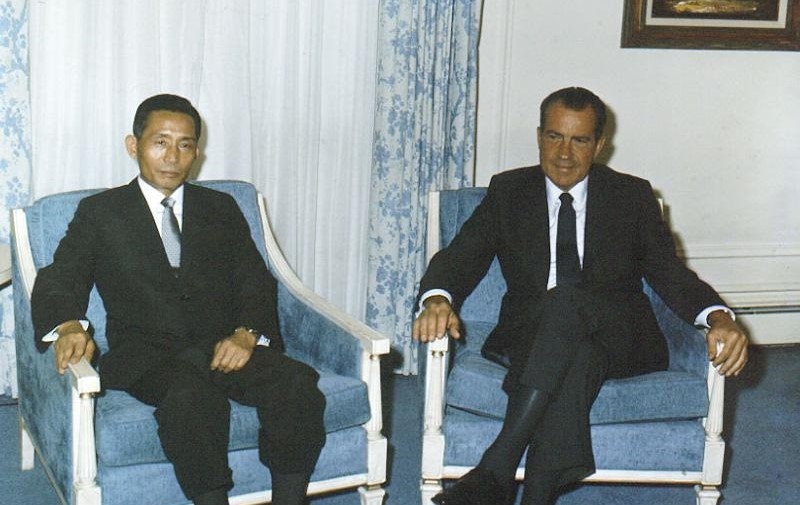
Turning diplomacy into development
In the 1960s and 1970s, President Park Chung-hee made foreign policy serve a larger project: national development. He drew on American protection and markets, Japanese capital and technology and Korea’s labor and strategic position to accelerate industrialization.
Normalization with Japan, troop deployments to Vietnam and deeper integration into global trade formed part of the bargain. Seoul supplied alignment and manpower; in return came financing, technology, contracts and market access.
Defending normalization with Japan in 1965, Park framed the choice not as reconciliation, but necessity.
“No matter how bitter an enemy they may have been yesterday, if our present and future require it, would it not be wise, for the benefit of the nation and the welfare of the people, to join hands with them?”
The bargain exacted a price: unresolved colonial grievances, suffering inflicted by Korean forces in Vietnam and authoritarian rule defended in the name of insecurity.
Yet the factories, shipyards and expertise built then later made semiconductors, nuclear power and defense production.
Then Washington unsettled the equation.
The Nixon Doctrine and US troop reductions showed that US protection could change at Washington’s discretion. Park answered by strengthening Korea at home while widening its options abroad.
“We know that we cannot expect US forces to remain stationed here indefinitely,” Park said in 1971. “The basic principle of self-reliant defense is that we ourselves must take primary responsibility for defending our territory.”
The 1972 South-North Joint Communique opened direct contact with Pyongyang. A year later, Park’s June 23 Declaration said Seoul would not oppose simultaneous UN membership for the two Koreas and would “open its door to all the nations of the world.”
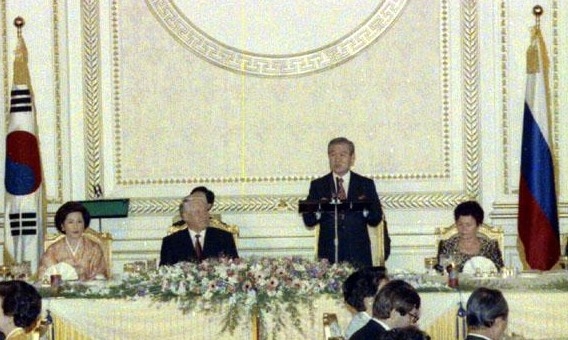
Breaking Cold War map, entering global order
By the late 1980s, South Korea was beginning to outgrow the diplomatic map the Cold War had drawn for it. Industrialization had produced companies and markets others wanted; democratization gave Seoul the legitimacy to turn that strength into diplomatic room.
President Roh Tae-woo’s Nordpolitik, or Northern Policy, sought to break through that map.
“If the shorter road is blocked and there is simply no way through, Nordpolitik means taking a detour,” Roh said in 1990. “Even if it means taking the longer road, even if we must make our way through thorns and our legs bleed, if that road leads to unification, we must press on without hesitation.”
The Seoul Olympics opened doors ideology had kept shut; Nordpolitik turned them into breakthroughs. Seoul normalized ties with the Soviet Union in 1990 and China in 1992 — North Korea’s two principal patrons — while keeping the US alliance firmly intact.
The achievement went beyond adding flags to Seoul’s diplomatic roster: South Korea was dismantling Cold War boundaries that had constrained whom it could engage. UN membership came in 1991, alongside the inter-Korean Basic Agreement and denuclearization declaration.
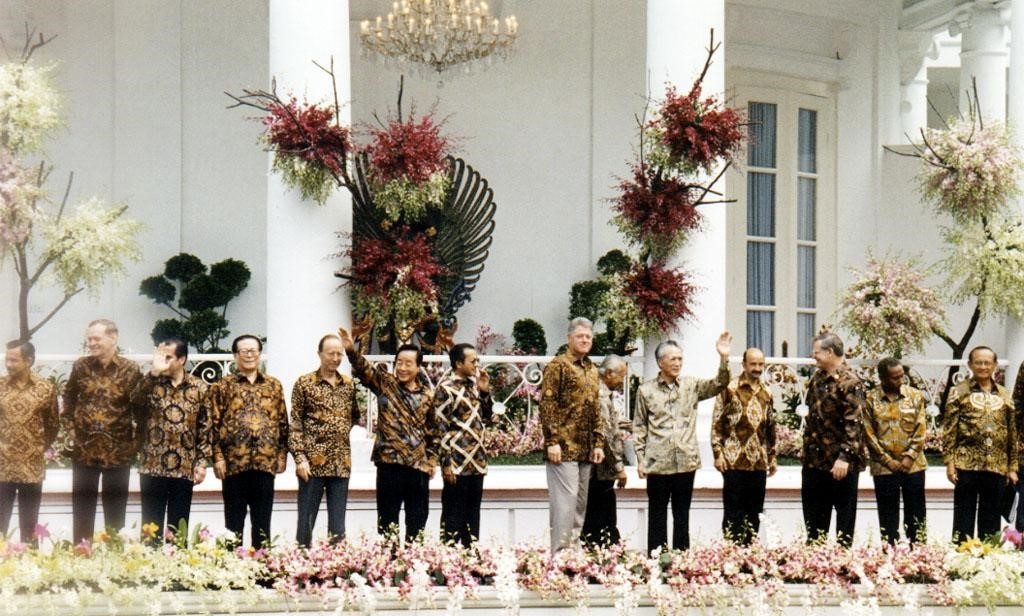
President Kim Young-sam pushed the next frontier: securing a place inside the institutions setting the terms of the post-Cold War order.
“The world will never wait for us,” Kim said in 1993. “Internationalization and openness are irresistible currents of our time.”
A year later, he said, “To cooperate and compete confidently with the world, we must globalize our national mindset, our capabilities and our institutions.”
South Korea joined the World Trade Organization in 1995 and the Organization for Economic Cooperation and Development in 1996. It first served on the UN Security Council in 1996-97.
Then came the Asian financial crisis. Korea had gained admission to the global system faster than it had gained the resilience — or influence over its rules — to protect itself from its shocks.
Claiming larger role in unipolar era
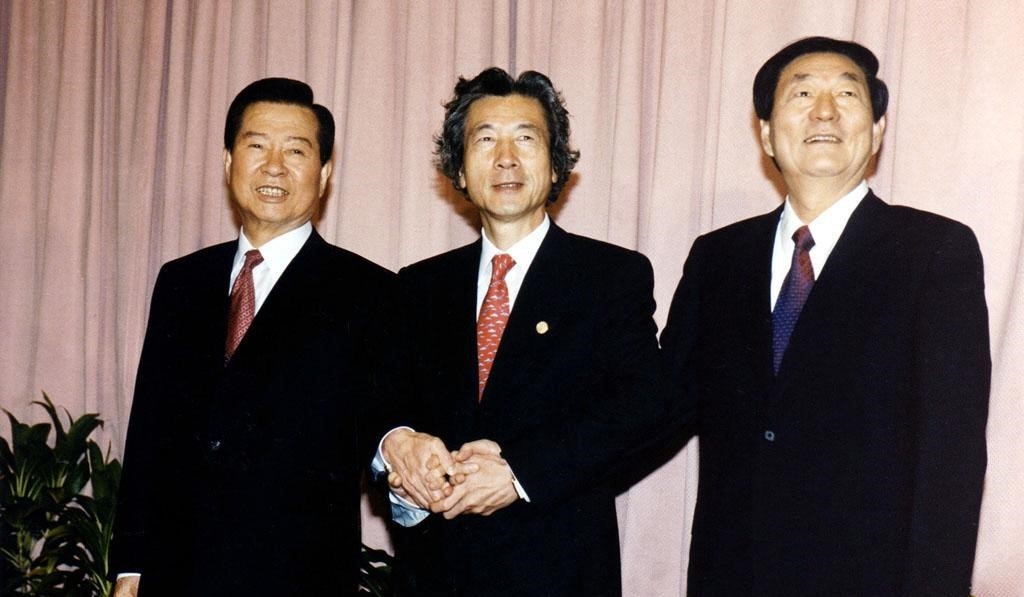
When President Kim Dae-jung took office in 1998, South Korea was still emerging from the brink of sovereign default, its foreign reserves nearly drained.
Kim first turned diplomacy into an instrument of recovery.
Kim pioneered a form of presidential sales diplomacy that turned foreign policy into an instrument of economic recovery, asking governments and investors to trust not simply Korean products, but Korea itself.
His government created the Ministry of Foreign Affairs and Trade, opened negotiations for Korea’s first FTA with Chile in 1999, and repaid its IMF loans ahead of schedule by 2001.
Economic rescue was only part of the strategy. Kim also sought to give surrounding powers a stake in stability.
“In diplomacy, what matters is the national interest,” Kim wrote in his 1994 book “My Path, My Thoughts.”
“There is no need to speak of being pro-American or anti-American, pro-Japanese or anti-Japanese. We should pursue friendly relations with all four major powers and approach each of them on that basis.”
That logic underpinned four-power diplomacy: Remain anchored in the US alliance while drawing Washington, Tokyo, Beijing and Moscow into support for engagement with North Korea. The 1998 Kim-Obuchi declaration reset ties with Japan; the first inter-Korean summit followed in 2000.
Kim also drew a regional lesson from the financial crisis.
East Asia was integrated enough to transmit shocks but lacked institutions to contain them. Calling the region “a community of common destiny,” he proposed the East Asia Vision Group in 1998; the Chiang Mai Initiative followed with a regional currency-swap network.
A country that had sought rescue was beginning to help design safeguards for the region.
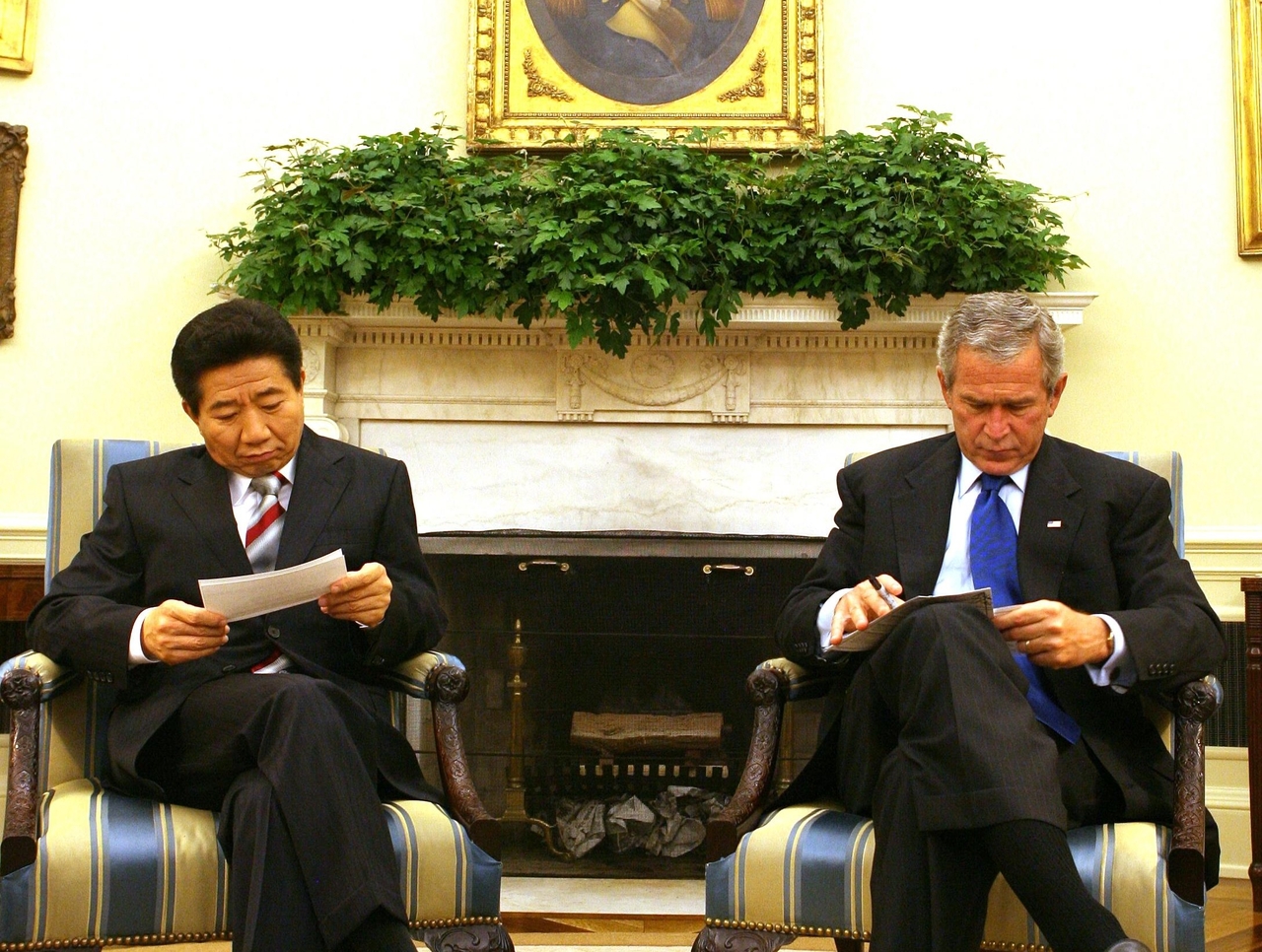
President Roh Moo-hyun inherited a more prosperous Korea and pushed for greater strategic autonomy within the US-led unipolar order. As Washington sought greater “strategic flexibility” after Sept. 11 terrorist attacks and China’s rise began to alter Northeast Asia, Roh returned to an old anxiety.
“We must not repeat a history in which we split into camps over which great power to lean on and suffered humiliation,” he said in 2003.
His answer was not distance from Washington.
Korea sent troops to Iraq and pursued a US free trade agreement even as Roh pressed for greater authority over wartime operational control, troop deployments and alliance terms.
The objective was to remain allied without surrendering strategic choice.
Roh gave that ambition its boldest expression in his controversial “Northeast Asian balancer” doctrine.
“We will now play a balancing role for peace and prosperity not only on the Korean Peninsula but in Northeast Asia,” he said in 2005. “We will fulfill the rights and responsibilities that properly belong to a sovereign state, cooperating where we should cooperate and standing our ground where we should.”
Roh added, “The choices we make will affect the balance of power in Northeast Asia.”
The claim exceeded Korea’s ability to arbitrate among great powers. Its significance lay elsewhere: Seoul was defining strategic autonomy not as freedom from the alliance, but as greater room for judgment within it.
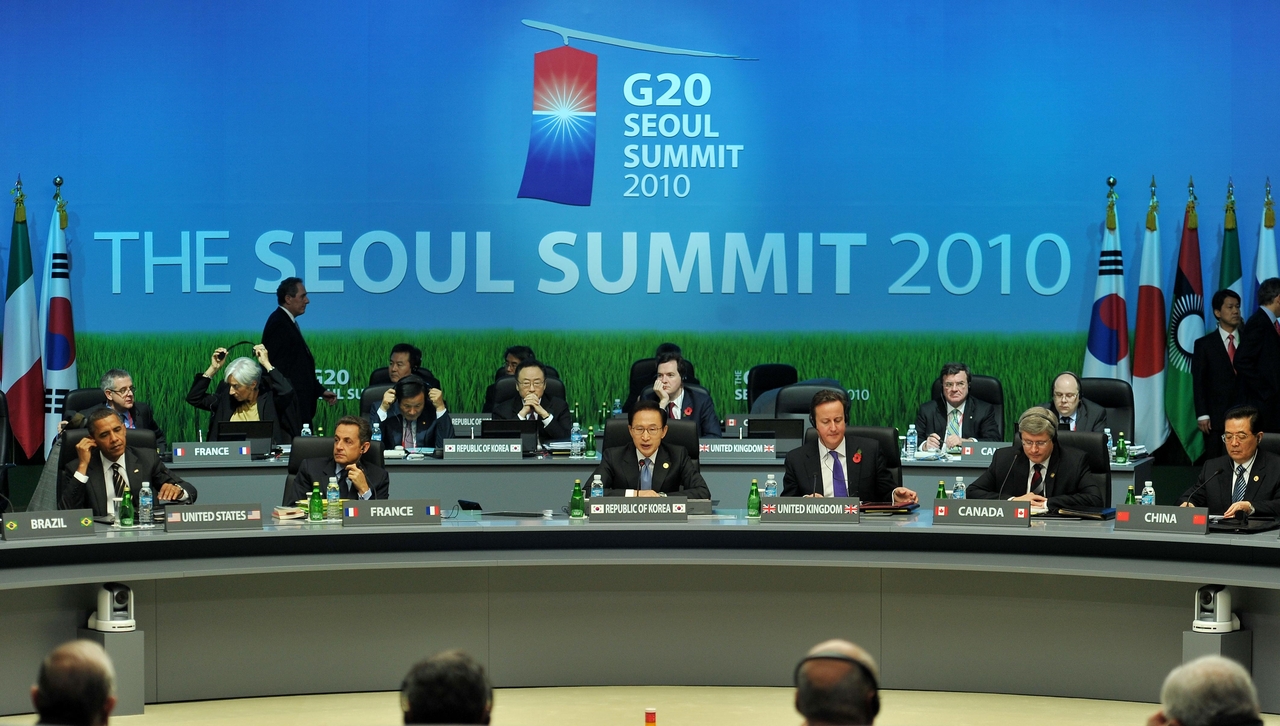
President Lee Myung-bak pushed Korea’s growing diplomatic agency beyond the region and onto the global stage.
The 2008 financial crisis gave Seoul an unusual source of credibility: Korea had been an IMF borrower only a decade earlier, yet had since emerged as a major economy and donor. The financial crisis gave that ambition a practical purpose.
In his 2009 “Global Korea” vision, Lee cast South Korea’s own trajectory — from aid recipient to donor, from crisis-hit economy to member of the advanced industrial world — as something the country could now bring to global diplomacy.
“We have transformed from a country that received help from the international community into one that gives help to others,” Lee said. “Now, Korea seeks to assume an international role and make contributions commensurate with its national strength.”
At the 2010 Seoul G20 summit, Korea turned that experience into proposals on financial safety nets and development. Its entry into the OECD’s donor community earlier that year had already marked the larger reversal.
“Global Korea” was not a claim to great-power status. It was an attempt to turn Korea’s own passage through poverty, crisis and development into middle-power influence.
By then, South Korea had traveled far within the relative stability of the US-led post-Cold War order: from recovering from crisis, to seeking greater regional autonomy, to claiming a role in global governance.
However, just as Seoul’s ambitions were widening, the international order that had enabled that expansion was beginning to change.
Adapting to US-China rivalry through economic security
For years, South Korea had prospered under an unusual arrangement: American power underwrote its security, China drove its growth, and open markets allowed Seoul to deepen ties with both.
By the 2010s, however, that arrangement began to fray. The question was whether security and prosperity could still be managed separately.
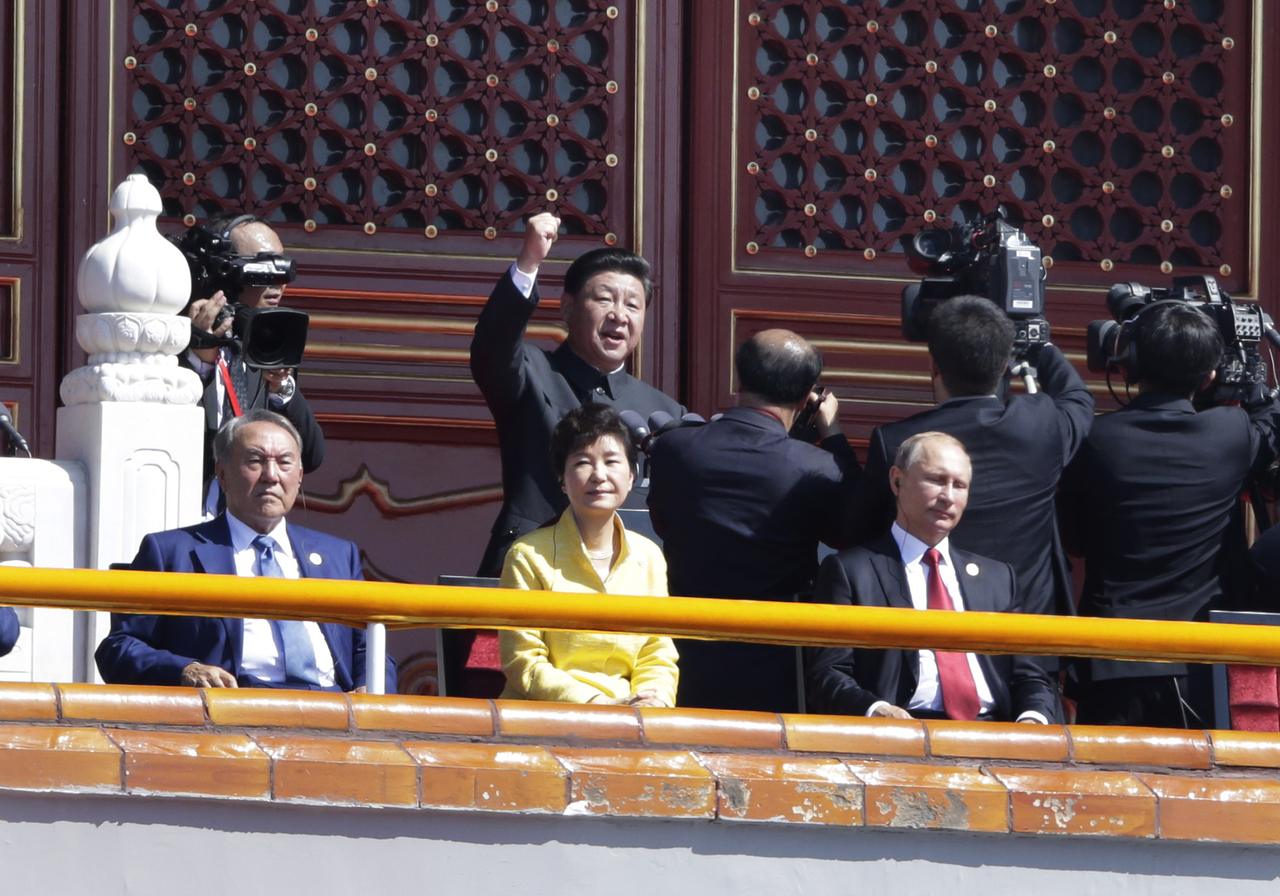
President Park Geun-hye believed they could. Park called the region’s mix of deepening economic integration and persistent security rivalry the “Asian paradox.” In a May 2013 speech to a joint session of the US Congress, Park underscored that “how we manage this paradox will determine the shape of a new order in Asia.”
Seoul strengthened the US alliance while signing a free trade agreement with China and joining the Beijing-led Asian Infrastructure Investment Bank.
Then came the deployment of a US THAAD missile defense system in South Korea. Seoul saw protection against North Korean missiles; Beijing saw American strategic encroachment and retaliated through tourism, culture and retail.
Interdependence, once a source of prosperity, had become a channel of strategic pressure.
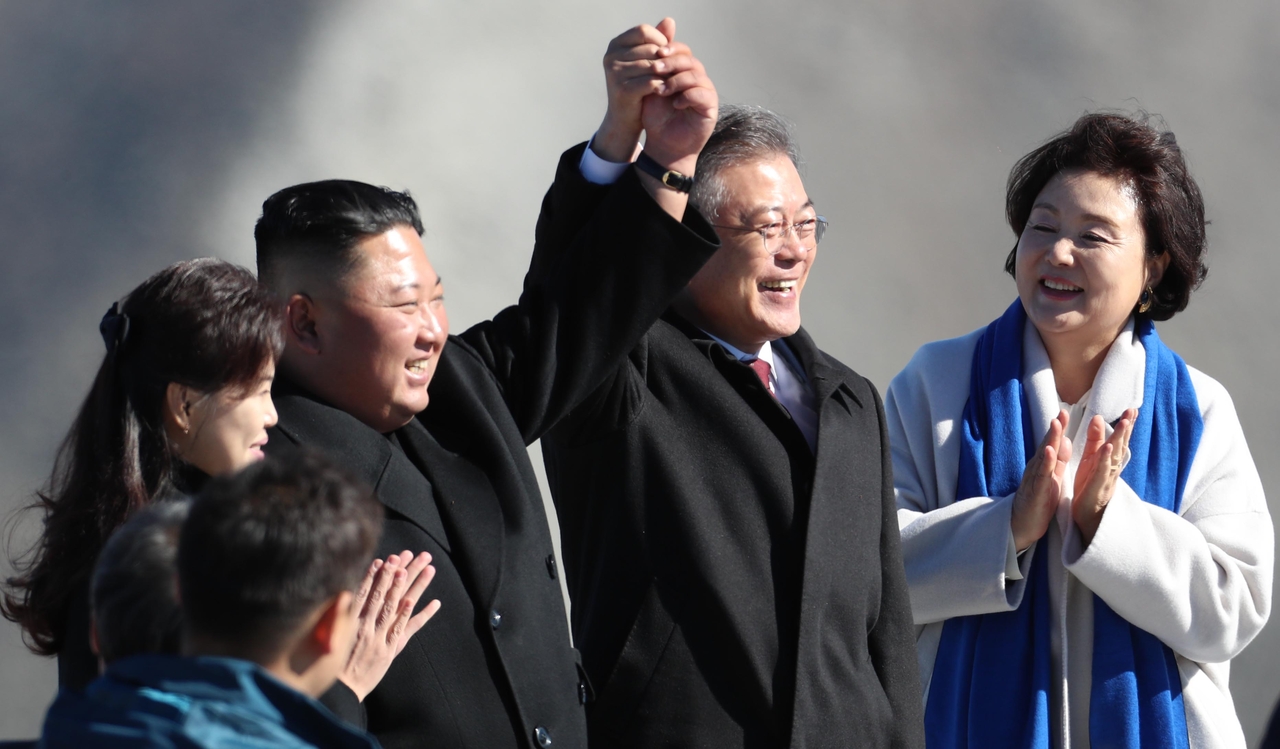
President Moon Jae-in inherited that rupture and sought to preserve Korea’s room for maneuver through strategic ambiguity. Peace diplomacy aimed to lower tensions on the peninsula, while the New Southern Policy broadened Seoul’s diplomatic and economic reach beyond the major powers.
“We must turn our country’s geopolitical position into strength,” Moon said in his 2019 Liberation Day address. “We must have a clear goal: to take the initiative rather than be swayed by others.”
However, Tokyo’s restrictions on semiconductor materials amid a diplomatic row with South Korea, along with the pandemic, exposed new vulnerabilities in technology and supply chains.
As US-China rivalry spread into semiconductors, batteries, critical minerals and advanced technology, economic security emerged as a central question of Korean diplomacy: which dependencies Korea could afford, and which capabilities it needed to secure.
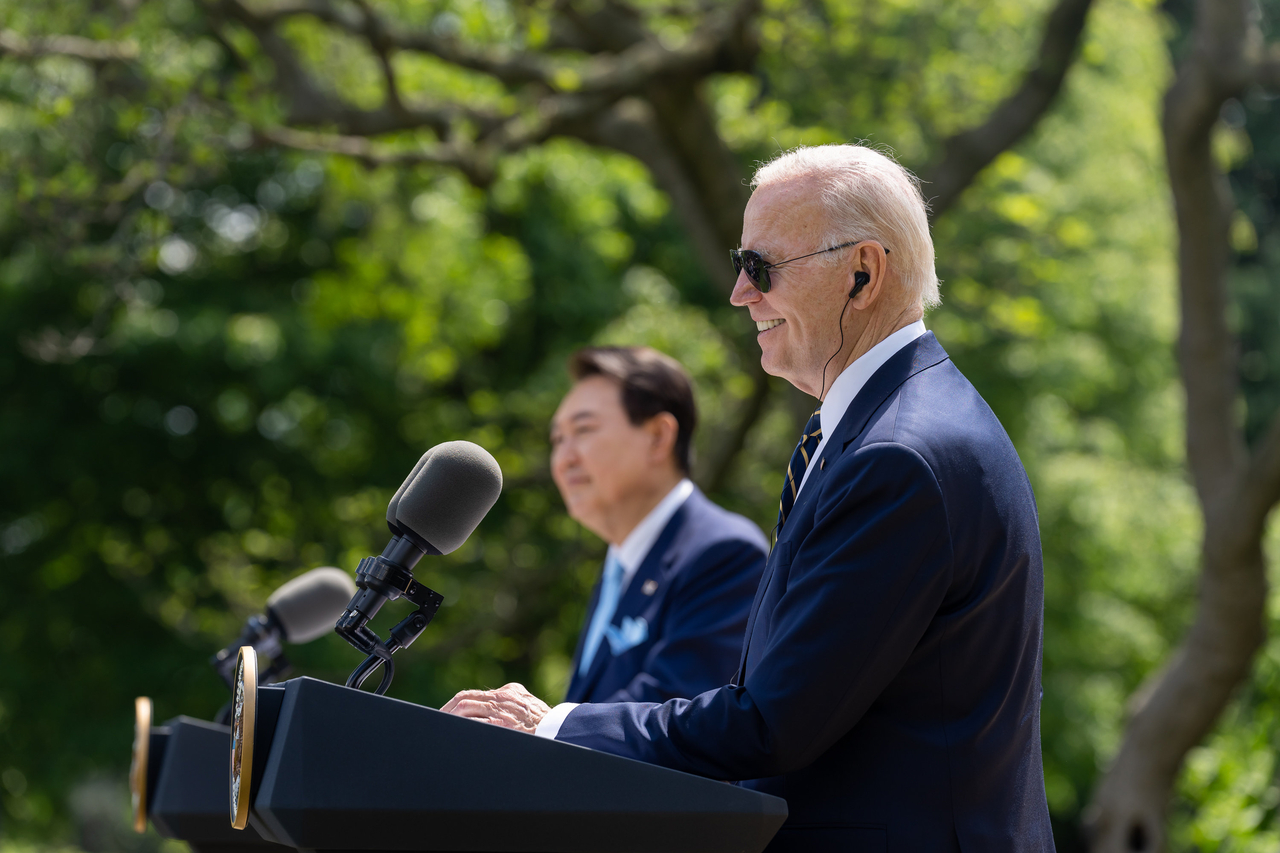
President Yoon Suk Yeol confronted that next stage by embracing greater strategic clarity, anchoring Seoul more firmly to the US and other like-minded partners.
“A robust ROK-US alliance, and solidarity and cooperation with countries that share universal values, are the foundation for Korea’s economic development and prosperity, since our economy is highly dependent on international trade,” Yoon said in his 2023 Liberation Day address.
The Washington Declaration, Camp David and deeper cooperation in semiconductors, critical minerals and advanced technology followed.
As US-China rivalry intensified, Korean diplomacy moved from managing relationships to managing strategic dependencies — and economic security became inseparable from foreign policy.
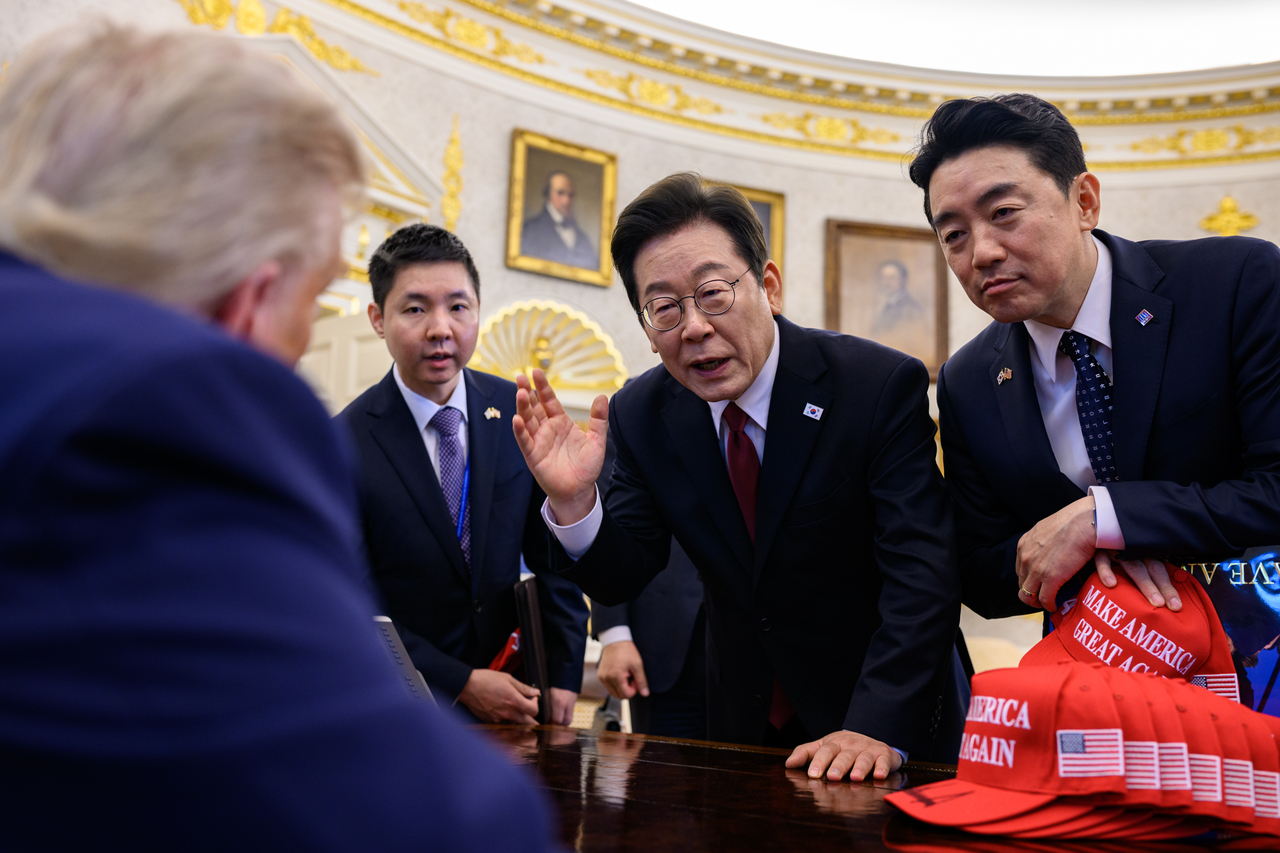
Pursuit of ‘Irreplaceable Korea’ in divided world
President Lee Jae Myung inherited a world in which Washington pressed allies over tariffs, investment and defense, while Beijing retained leverage through markets and critical minerals.
Wars in Ukraine and the Middle East underscored how quickly geopolitical shocks could expose Korea’s dependence on distant markets, resources and supply routes.
Lee called his answer “national-interest-centered pragmatic diplomacy.”
It was not about equidistance. The strategy ran on two tracks: reduce Korea’s vulnerabilities by diversifying where it could, while deepening ties where Korean security and technological interests demanded it.
The first meant widening Seoul’s diplomatic reach to reduce overdependence on any single market, supplier or route.
According to Cheong Wa Dae, Lee met leaders from more than 50 countries in nearly 100 summits and other high-level encounters during his first year, expanding ties across Southeast Asia, Central Asia, Mongolia, Latin America and the wider Global South in search of new markets, energy, critical minerals and supply routes.
The other track was to turn Korea’s own strengths into leverage.
At a NATO summit in Ankara in July, Lee proposed a “Korea-NATO Defense Industry Partnership 2.0,” moving beyond arms sales toward partners that would research together, produce together and operate together.
Later that month in San Francisco, Lee unveiled the San Francisco AI Declaration before an audience of leading technology executives, pledging to make South Korea “an irreplaceable, core nation in the AI supply chain.”
The reversal was striking. Korea had once gone abroad seeking protection, capital and technology. Now its shipyards, semiconductors, nuclear industry, defense production and AI capabilities were becoming things others sought from Korea.
Lee gave that ambition its name:
“I will make this the year when the bold dream of an ‘Irreplaceable Republic of Korea’ — a country no other nation in the world can replace — begins,” he said. “We will leap forward from a country the world watches to one the world truly needs.”