
 KB News Desk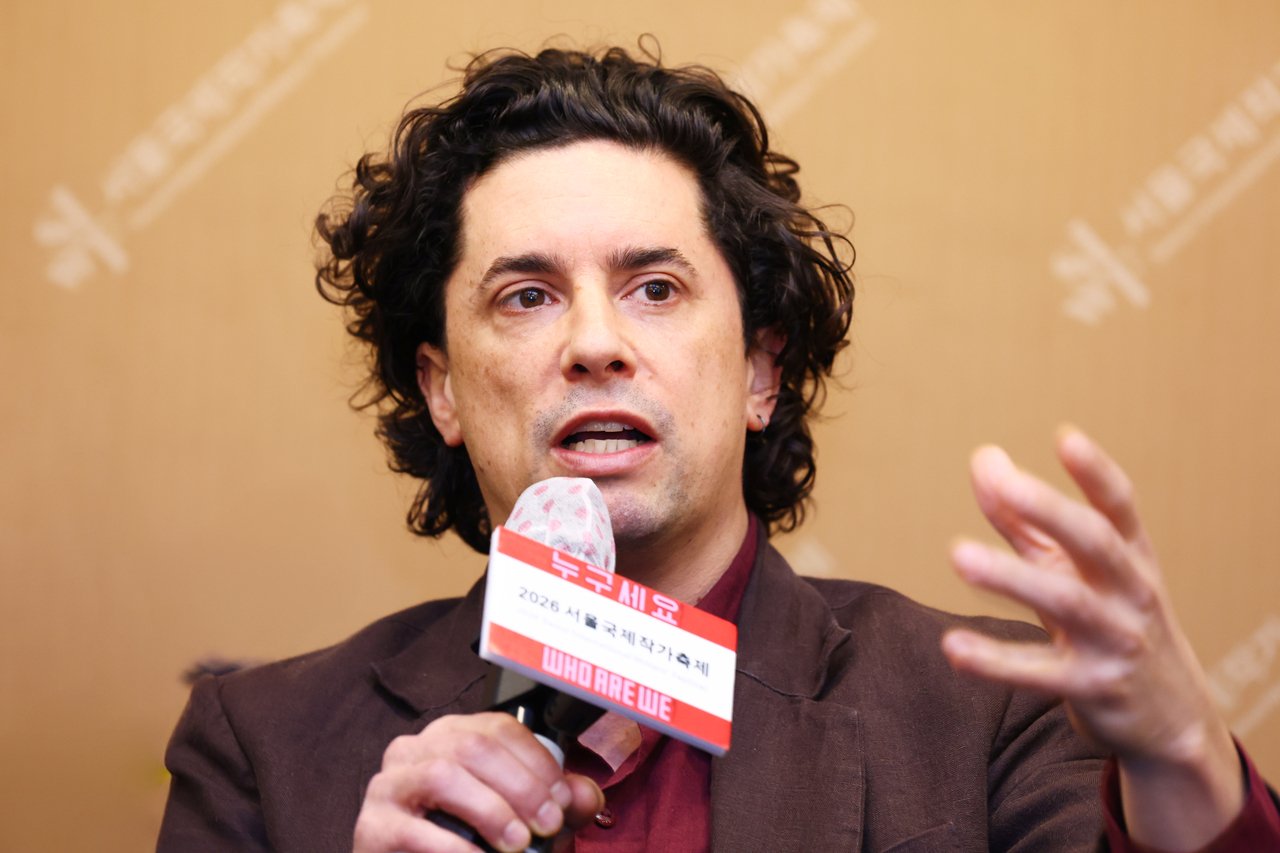
The 2026 Seoul International Writers Festival, opening Friday, will explore what makes us human through literature, asking a basic yet fundamental question through this year’s theme: Who Are We?
The opening conversation on Friday will feature novelist Kim Ae-ran and International Booker-nominated Chilean novelist Benjamin Labatut. Under the subtheme “We Are Someone,” the two writers will discuss what makes us human and how literature today captures human existence and identity.
“Literature ultimately asks what it means to be humane,” Labatut said during a press conference in Seoul on Thursday. “What we need to seek above all are our animal senses and our wild human instincts.”
He added that literature is “completely safe” from AI.
“Literature is an art that contains our souls, so I believe it exists outside the realm of technological systems,” he said.
Labatut also placed greater emphasis on human desires and senses.
“In some ways, the human experience becomes clearer when we have basic desires,” he said. “We have bodies, so we get tired. The responses and thoughts that come from being tired are different for each of us. Ultimately, a story is about how our bodies encounter the world.”
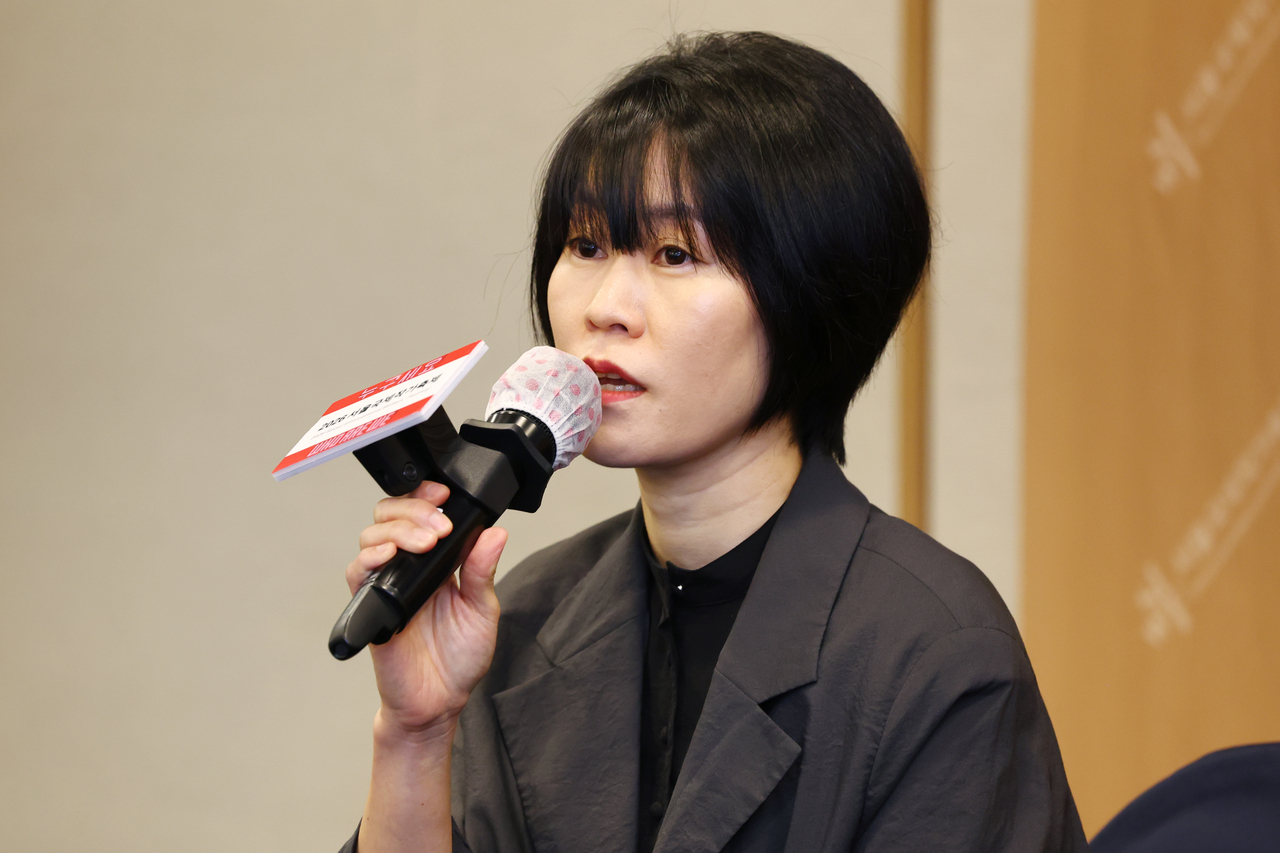
Kim said, “Over the past three years, almost every field has held events centered on AI, so I spent some time thinking about this and also worried that people might be experiencing fatigue. But because the AI environment is based on language models, I also felt that this was an unavoidable topic for a writer.”
“One of the virtues of literature is that it does not give us the illusion that communication is easy. Instead, it shows us how difficult and arduous communication can be,” she said. “Compared with AI, which specializes in knowledge, information and knowing, literature makes various confessions of our ignorance about all three.”
The festival, held since 2006, marks its 15th edition this year. A total of 24 writers — 14 from Korea and 10 from overseas — will participate. About 20 programs are scheduled, including one-on-one conversations between Korean and international writers, discussions between writers and translators, and audience workshops.
Novelist Kim Yeon-su, who serves on the festival’s planning committee, said the two writers taking part in the opening conversation have different starting points but arrive at the same conclusion: Stories are necessary to understand humanity.
“For a long time, we have explained ourselves and others through stories,” he said. “At this festival, we are more likely to encounter another question than find an answer, and that is what literature does.”