
 KB News Desk
Chipmaker’s ADR sale to provide dollar inflow, but reinvestment flows are key
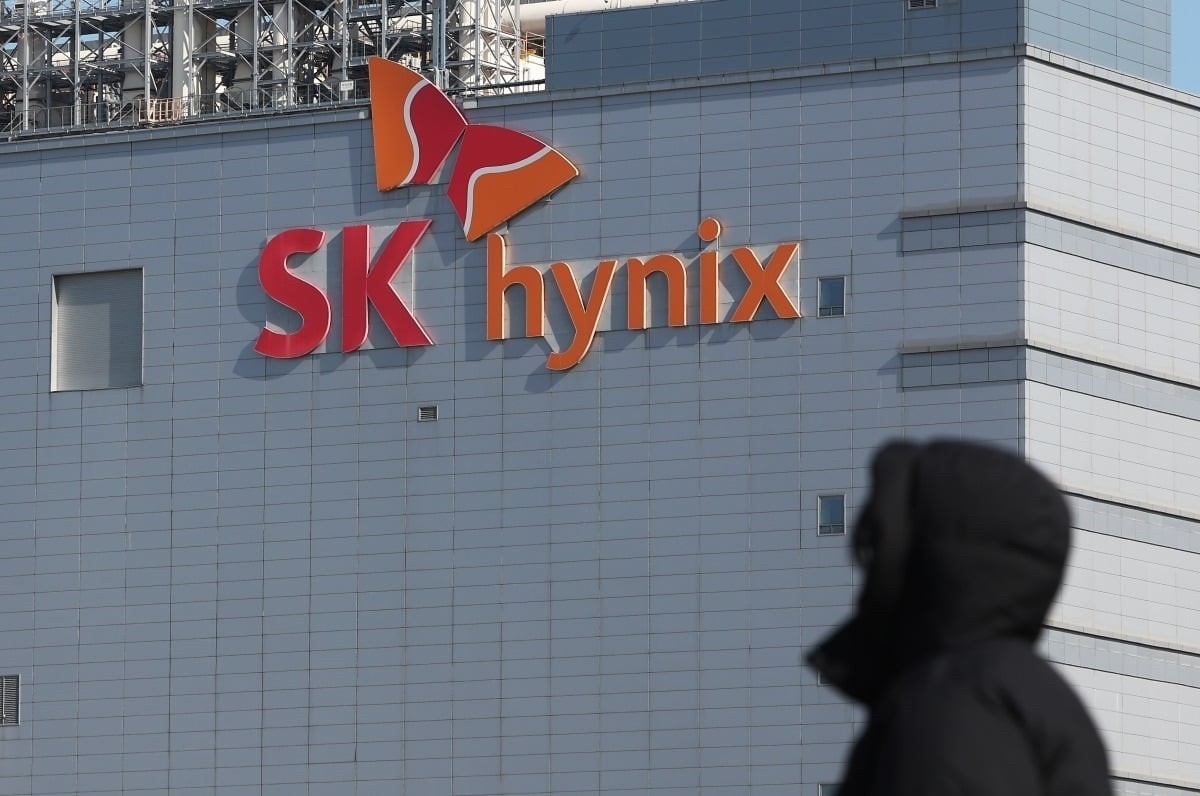
South Korean chipmaker SK hynix’s planned listing of American depositary receipts in the US could strengthen the ailing Korean won, which recently slid to its weakest level in 17 years against the dollar, providing a rare source of dollar inflows.
The chipmaker plans to list its ADRs on the Nasdaq on July 10, aiming to raise as much as $30 billion in what would rank among the largest overseas equity offerings by a South Korean company.
If a substantial portion of the dollar proceeds is repatriated to finance domestic chip investments, the inflows could help ease the pressure on the won by increasing the supply of dollars in the local foreign exchange market.
The won has remained under pressure this year amid sustained capital outflows, struggling to strengthen beyond 1,500 won per US dollar. It has repeatedly hit fresh 17-year lows against the dollar, its weakest level since the global financial crisis in 2009.
Whether the fundraising ultimately supports the won, however, will depend on how much of the proceeds are brought back to Korea.
Conversely, if the company retains the bulk of the proceeds overseas for offshore spending, the impact on the currency would likely be limited.
“If ADR proceeds are used for domestic investment, they could act as a source of dollar supply,” an official from the local foreign exchange authorities said, adding that $30 billion in dollar inflows would be a positive factor for the won.
The official noted, however, “the impact could vary depending on whether the funds are converted into won all at once or gradually.”
“If the proceeds are used for overseas investment, the impact could be limited,” he said.
Following board approval of the ADR issuance on June 24, SK hynix said the proceeds would fund key semiconductor projects, including its first fabrication plant in the Yongin semiconductor cluster, the P&T7 advanced packaging facility in Cheongju, and additional investments in chipmaking equipment and infrastructure.
Yet, some analysts say the expected dollar inflows are unlikely to be enough to reverse the won’s weakness.
Shinhan Bank economist Baek Seok-hyun said that because SK hynix’s capital spending will be carried out over an extended period, the conversion of the funds raised into won is also likely to be spread out over time.
“For the foreign exchange market, what matters is not the total amount of dollars involved, but how quickly and over what period they are converted into won,” he said, adding that the won may not strengthen as much in July as the market expects.
Baek also noted that some foreign investors may prefer buying SK hynix’s US-listed ADRs over the company’s Seoul-listed shares, which could limit the won’s appreciation by reducing demand for the currency.
“From the perspective of global investors, some institutions may prefer holding liquid, dollar-denominated ADRs rather than won-denominated shares that expose them to currency risk,” he said.