
 KB News Desk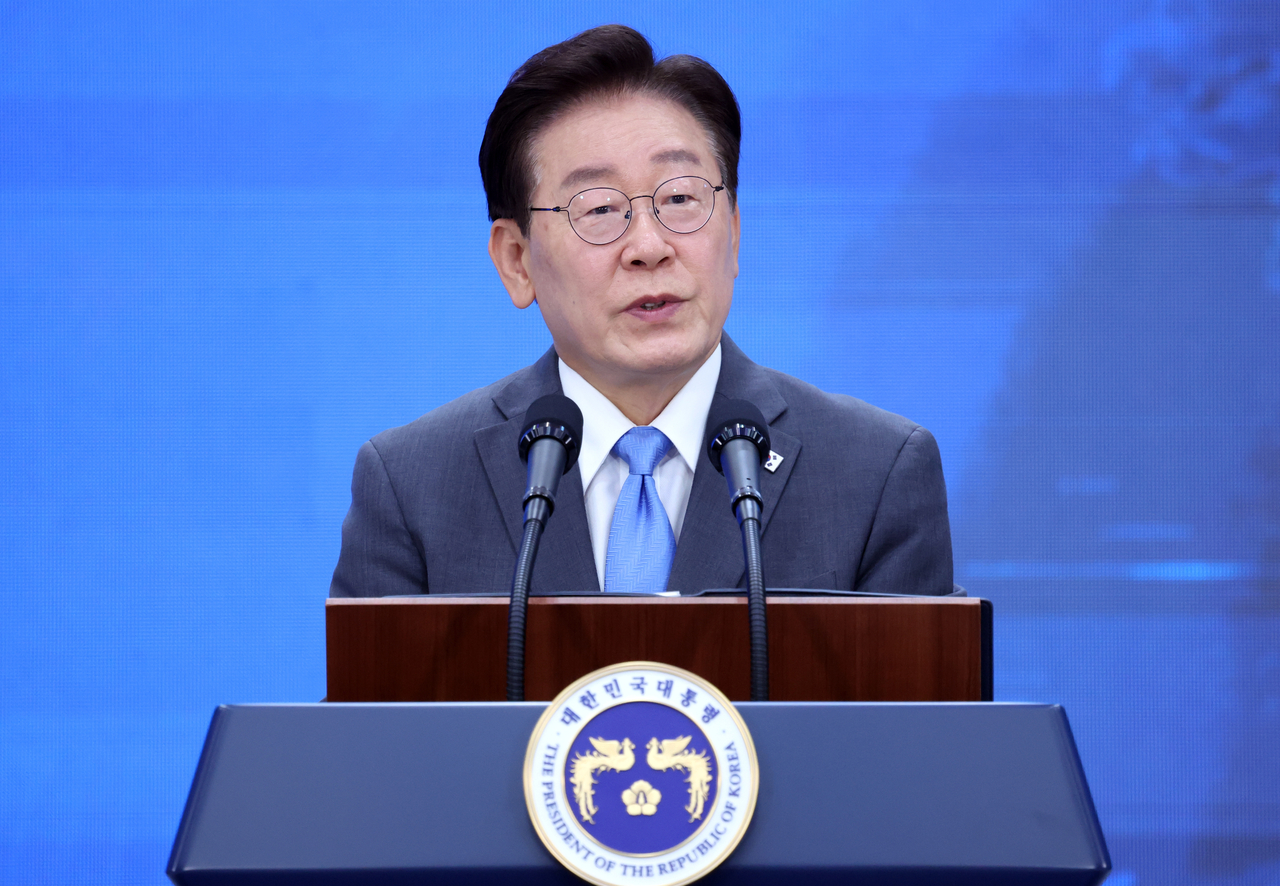
South Korean firms on Friday committed trillions in investment into the nation’s southeast, in the last of back-to-back announcements on related “megaprojects” to bolster the region’s growth.
President Lee Jae Myung touted the conglomerate’s decisions as an important step in the southeast’s transformation into a technology manufacturing hub focused on physical artificial intelligence and the aerospace industry.
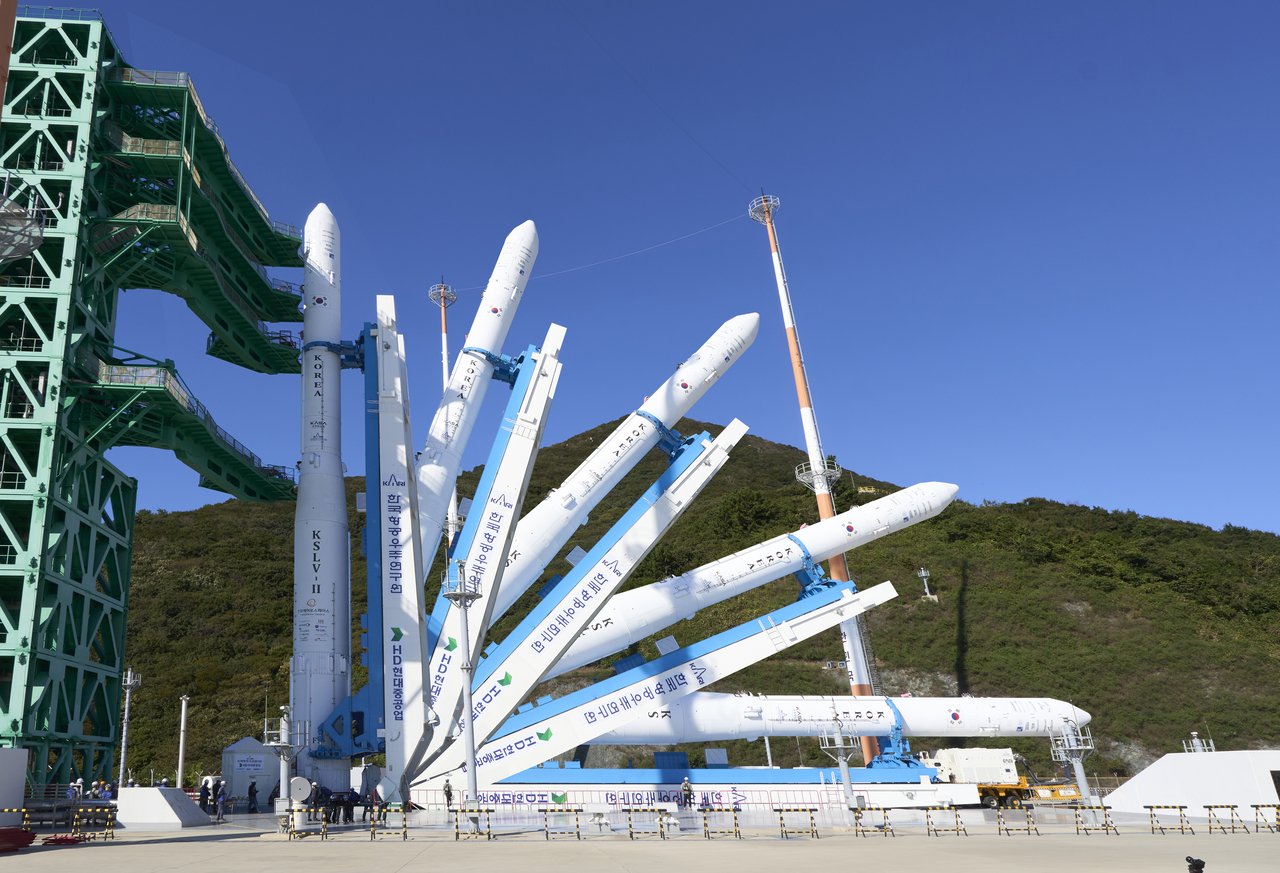
The government announced Friday that Hanwha, Hyundai Motor, Samsung, SK, Doosan and LG will invest a combined 312 trillion won ($204 billion) into Korea’s southeast, a region already home to manufacturing bases for aerospace equipment, automobiles, ships and defense equipment.
The investments include Hanwha’s 55 trillion won spending on satellites, trajectories and data centers to power AI processing related to space and national defense; Hyundai Motor’s 42 trillion won investment in autonomous mobility and physical AI applied in manufacturing; and Samsung’s 60 trillion won bet on mass production facilities for humanoid robots and next-generation batteries.
SK Group, together with international partners, will invest 140 trillion won to build an AI data center in the region boasting a 2-gigawatt capacity. Doosan’s investment will go to nuclear power plant construction, and LG will invest in a home appliances research center and futuristic display panel technology.
Lee, who appeared at the ceremony held in Jinju, South Gyeongsang Province, said Friday that the sizable investment commitment to high-tech industries will be added to the solid foundation of existing industries.
“Although the country’s southeast accounts for about a third of South Korea’s area, I am confident that it will open up its indefinite economic territory to become as large as the universe,” Lee said in his speech.
Lee added that his administration will provide the companies that declared investment decisions with a package of deregulation, tax benefits and financing.
A recent series of back-to-back corporate investment announcements channeling capital into regions far from the country’s capital fall in line with the Lee administration’s move to end polarized economic growth. Economic capacity in South Korea is typically concentrated in the Greater Seoul area.
On Monday, the country’s two largest chipmakers Samsung Electronics and SK hynix unveiled over 800 trillion won in investment pledges.
Additionally, Lee’s visit to South Chungcheong Province on Thursday coincided with private-sector investment pledges totalling 392 trillion won to boost the region’s electronics and biotechnology industries.
“The government will do all it can to break this massive vicious cycle of concentration in the capital region and the decline of the regional provinces,” Lee said, adding his vision for “great spatial transformation” will allow provincial regions to “cultivate their own industries and achieve growth independently.”