
 KB News Desk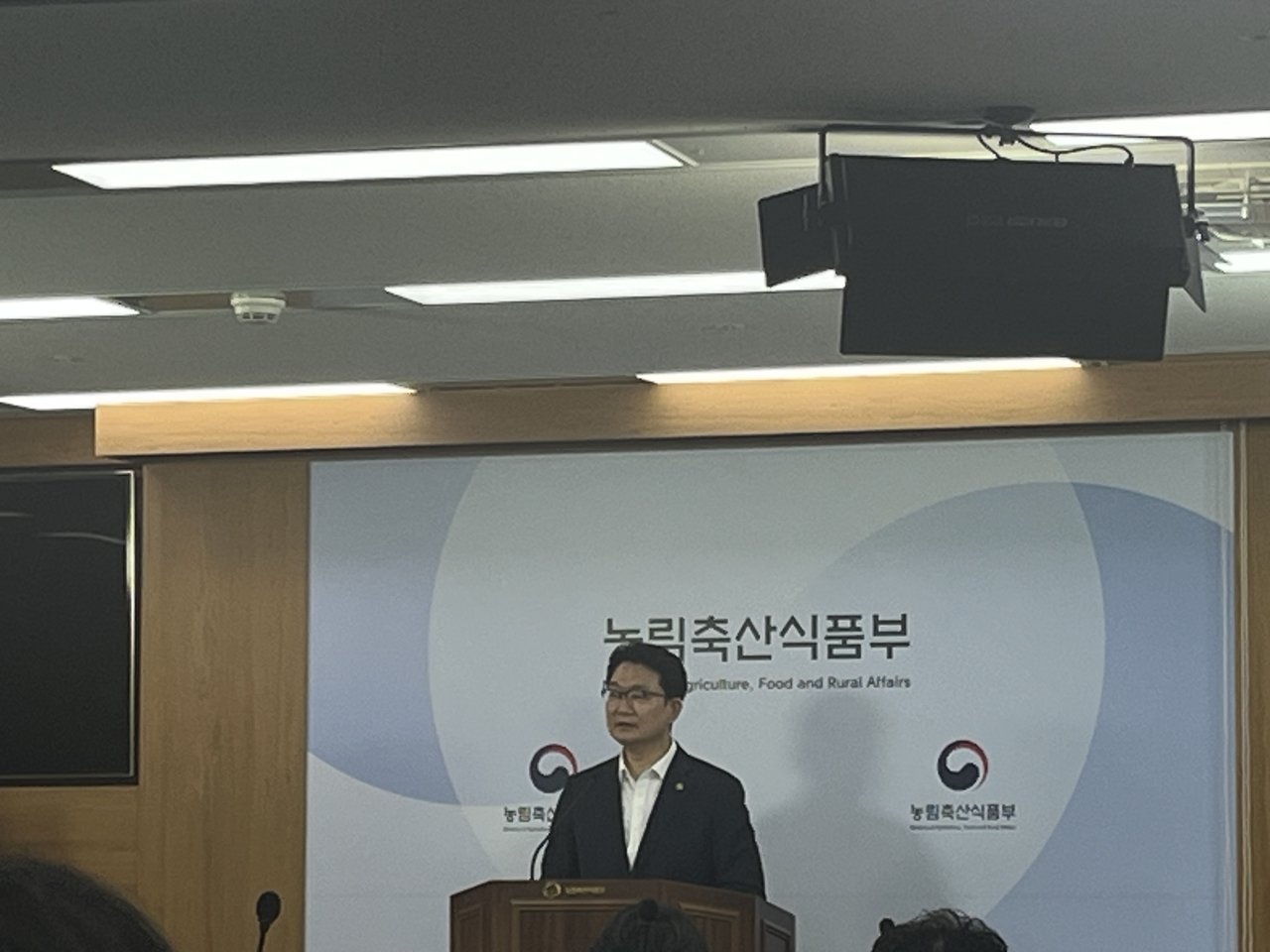
SEJONG — South Korea’s Ministry of Agriculture, Food and Rural Affairs has proposed a record 22.2 trillion won ($16.2 billion) budget for 2027, up 10.4 percent from the previous year, as the government seeks to strengthen farm incomes, modernize agriculture and revitalize rural communities.
The ministry said the proposal approved at a Cabinet meeting represents the largest year-on-year increase in both value and percentage terms since 2000. Including debt repayments from agricultural funds, the overall financial package reaches 25.3 trillion won, a 25.7 percent increase.
A major focus will be strengthening income support for farmers. The government plans to expand its direct payment program beyond 3 trillion won for the first time, while reducing payment disparities between rice paddies and dry fields. Subsidies for strategic crops will also be increased to encourage crop diversification and stabilize rice supplies.
A new price stabilization program will provide protection against sharp declines in agricultural prices, while low-interest financing and expanded seasonal worker programs are intended to ease financial and labor pressures.
Climate resilience is another priority. Agricultural insurance coverage will be expanded, alongside a new protection program for crops that are difficult to insure. The government will also invest in water infrastructure and AI-based livestock biosecurity systems while securing additional vaccines against diseases including foot-and-mouth disease.
The ministry also plans to accelerate generational change in farming. A new youth agricultural school will train more than 1,000 prospective farmers, while expanded public farmland leasing and retirement incentives will encourage older farmers to transfer farmland to younger producers.
Rural development programs will include an expanded basic income pilot covering 35 counties, AI-based demand-responsive transportation, housing and healthcare support, and renewable energy initiatives.
The budget also targets future growth through smart farming and K-Food exports. Investments will support autonomous tractors, agricultural robots and smart livestock complexes, while export vouchers, overseas logistics facilities and culinary training programs will help Korean food companies expand internationally.
Agriculture Minister Song Mi-ryeong said additional agricultural tax revenue would be invested in addressing immediate challenges while preparing the sector for the future. The government will seek parliamentary approval for the proposed budget later this year.