
 KB News Desk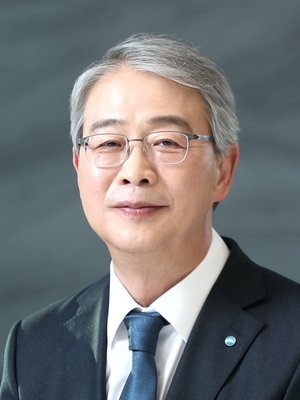
Proposed six-year cap on financial holding chairs sparks debate over governance, shareholder rights
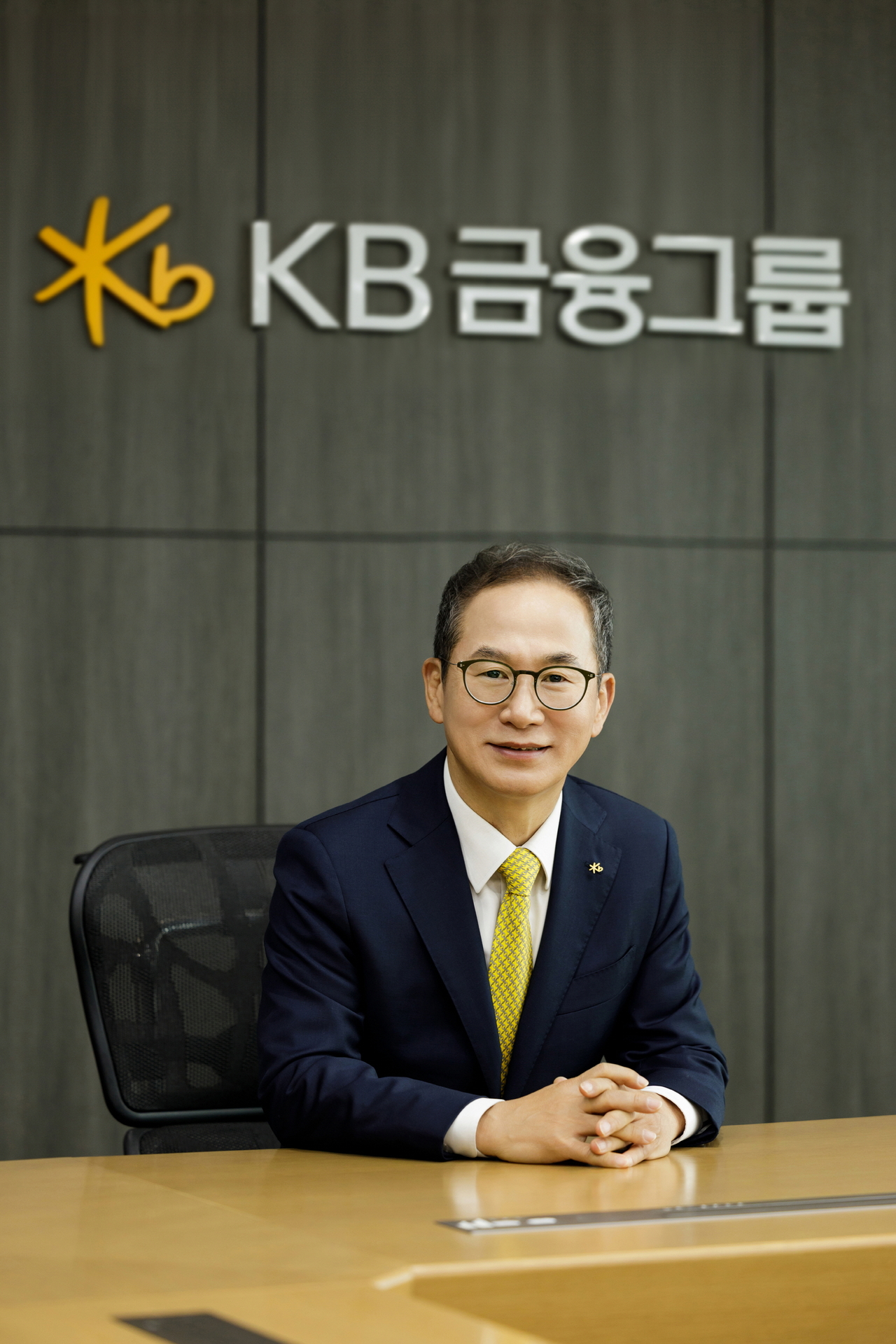
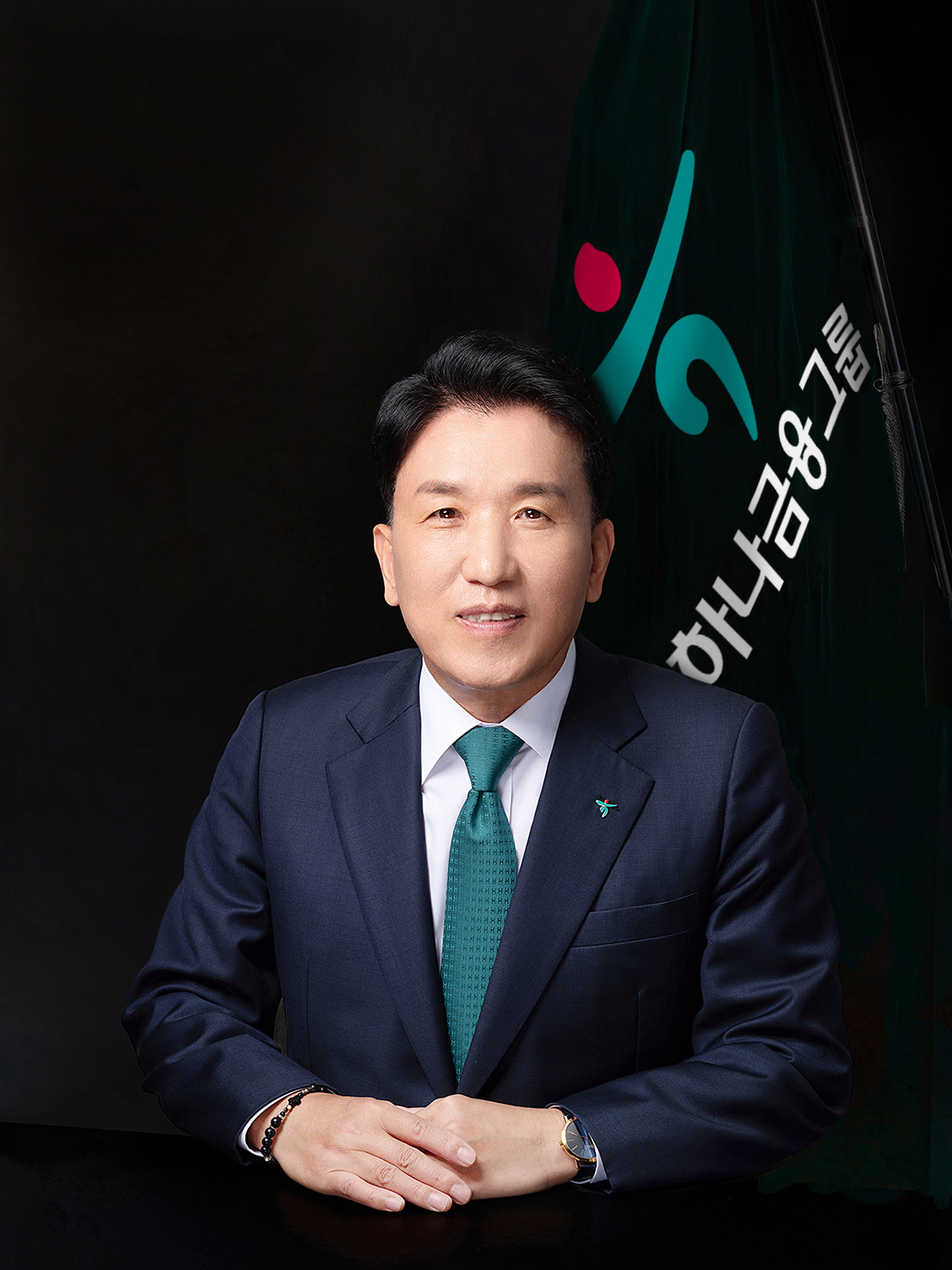
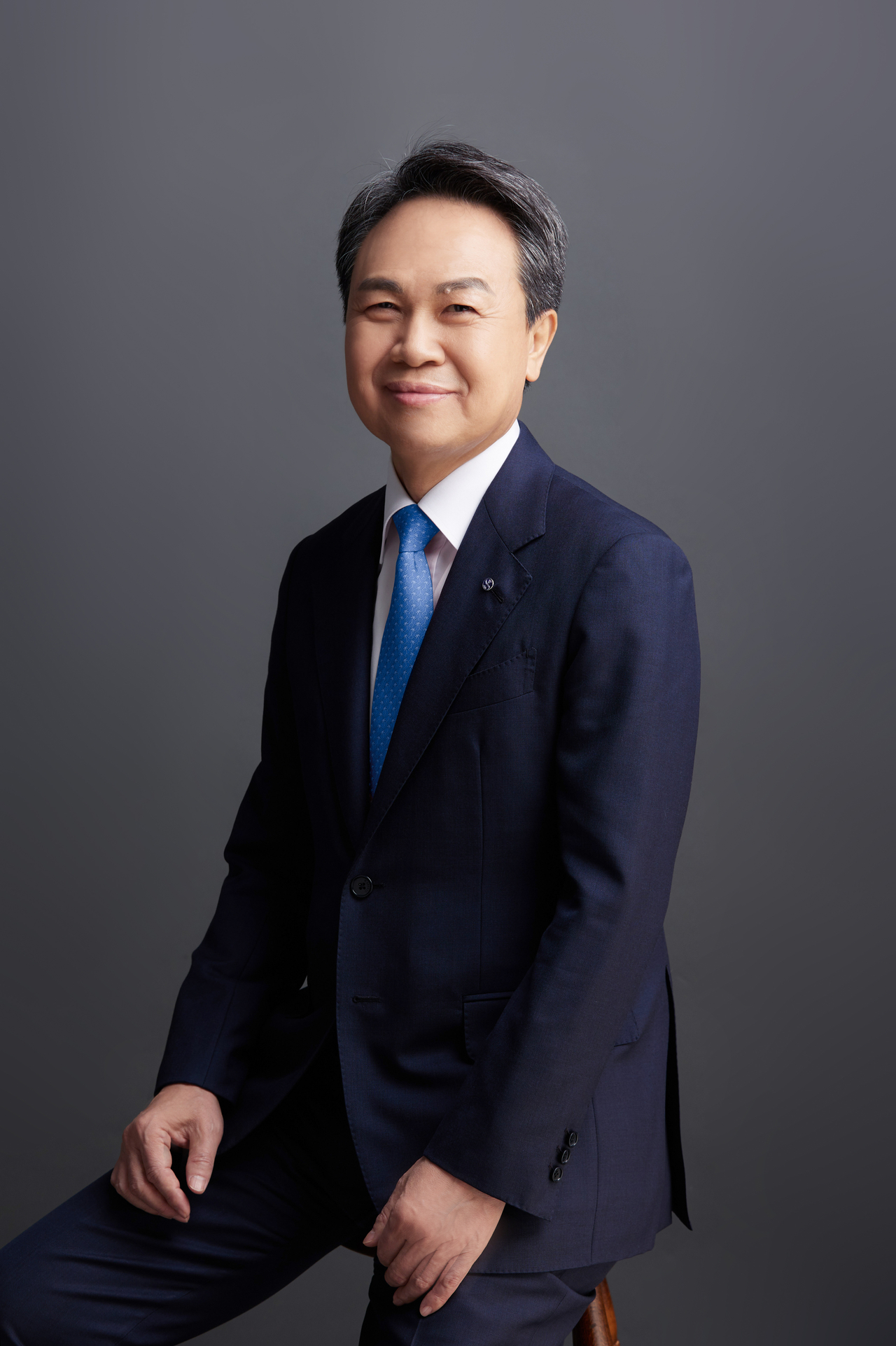
South Korea’s financial authorities are considering capping financial holding company chairs at two three-year terms, a governance overhaul that could reshape leadership succession at the country’s biggest banking groups and reignite debate over regulators’ role in corporate governance.
Industry reports Tuesday said the proposal would bar chairs from serving a third term, limiting their tenure to six years. It could also require reappointments to win support from at least two-thirds of voting shares while strengthening the independence of outside directors and nomination committees.
The Financial Services Commission said neither the measures nor the announcement schedule had been finalized.
Under current rules, chairs face no statutory term limit. Reappointments generally follow the same process as initial appointments, with a board nomination committee selecting a candidate, shareholders approving the appointment and the board naming the chair.
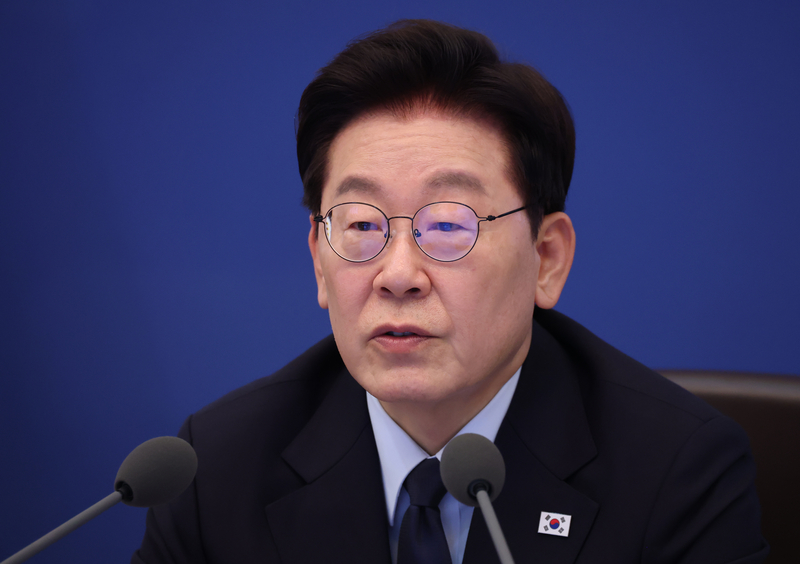
Supporters say tenure limits could curb closed succession systems, broaden candidate pools and give investors a greater role in appointments. President Lee Jae Myung has criticized the leadership structure at financial groups as a “corrupt inner circle,” while Financial Supervisory Service Gov. Lee Chan-jin has called for clearer, more transparent succession procedures based on fair and objective criteria.
Should regulators set limits on CEO tenures?
The industry warns that a blanket cap could undermine continuity and interfere with shareholders’ right to retain successful executives.
“Financial companies operate in a regulated industry and would have little choice but to comply with new rules,” an official at a financial holding company said. “But they are essentially private companies, and it is debatable whether regulators should decide how long a CEO can remain in office.”
The official added that mandatory leadership turnover could disrupt long-term strategies even when the incumbent management is delivering results.
A senior analyst at a global securities firm voiced a stronger objection, saying the government had yet to justify imposing a statutory tenure limit.
“Financial companies are regulated businesses, but they are ultimately listed companies with shareholders and boards,” the analyst said. “There might be a case for restrictions if executives serving three terms had repeatedly caused serious problems, but there has been no clear pattern.”
Governance should do the job
The analyst said a cap could run counter to the government’s push for a more advanced, shareholder-centered capital market.
“If management performs poorly, shareholders can vote against the appointment or replace directors,” the analyst said. “Regulators should examine whether the process was fair rather than determine the outcome themselves.”
The argument carries particular weight in banking, where foreign investors hold large stakes. As of Tuesday, foreign ownership stood at 79.5 percent at KB Financial Group, 68.5 percent at Hana Financial Group, 61.5 percent at Shinhan Financial Group and 46 percent at Woori Financial Group, according to Korea Exchange data.
“Foreign investors expect strong-performing executives to remain in place for longer,” the analyst said. “With foreign shareholders holding large stakes, they can now vote against management if they see something wrong.”
Governance protections have also strengthened in recent years. Revised commercial law expanded directors’ fiduciary duties to shareholders, while financial groups must maintain boards dominated by outside directors, operate succession plans and manage pools of internal and external CEO candidates.
“Authorities could instead require companies to review multiple candidates, allow sufficient preparation and evaluation time and disclose clearer selection criteria,” the analyst said.
Former KB Financial Chair Yoon Jong-kyoo is widely cited as a successful example of long-term leadership. During his nine years at the helm from 2014 to 2023, KB expanded its nonbanking portfolio through major acquisitions and became one of the country’s leading financial groups.
Major groups face succession test
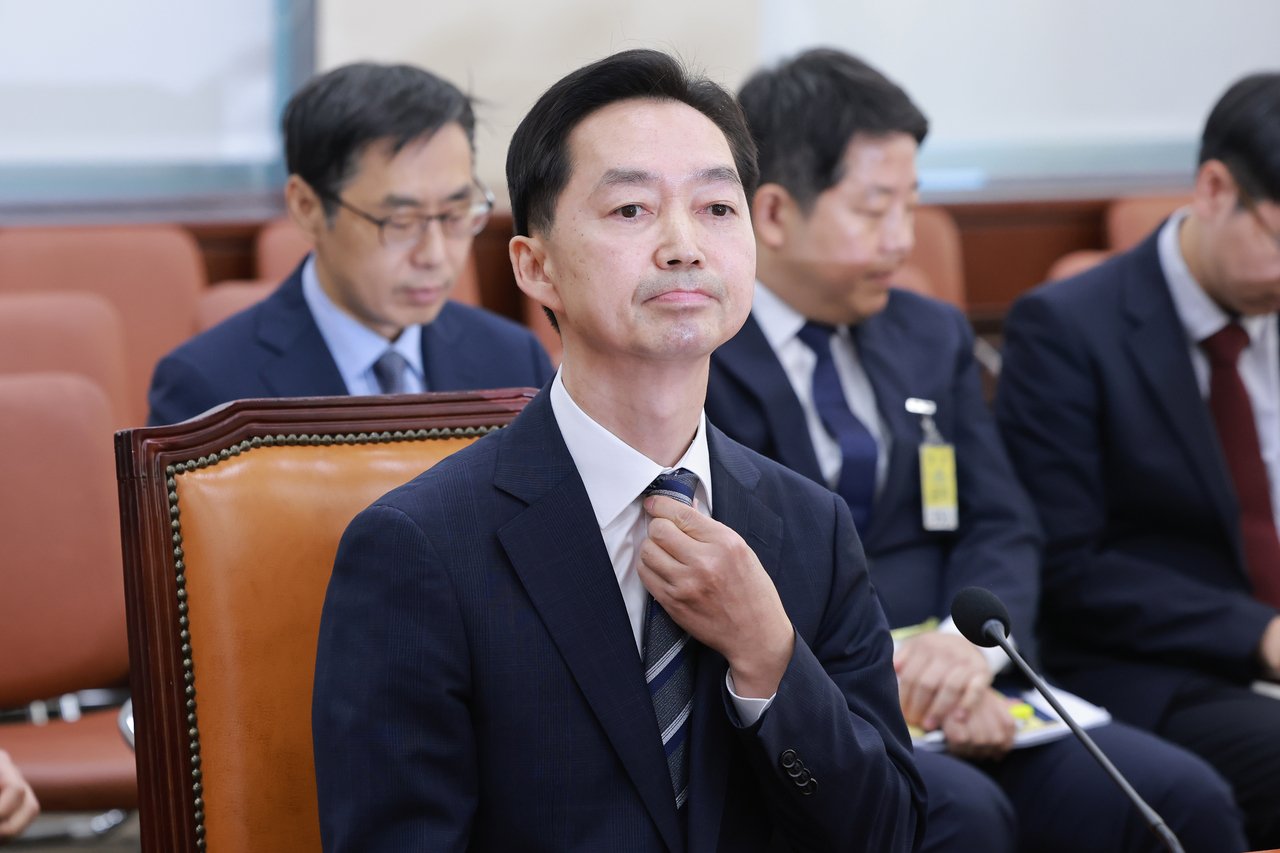
KB’s current succession process could be an early test. The group began more than a month earlier than in 2023 with a longlist of 20 internal and external candidates. A final nominee is expected in September, ahead of incumbent chair Yang Jong-hee’s term expiring in November.
The other three major groups are led by chairs serving second terms. Shinhan Financial chair Jin Ok-dong and Woori Financial chair Yim Jong-yong have terms through March 2029, while Hana Financial chair Ham Young-joo’s term ends in March 2028.
With regulatory change looming, financial groups are also weighing how to preserve continuity under a new tenure framework.
“If the cap is introduced, groups will need stronger succession systems to pass a successful chief’s management philosophy and long-term strategy to the next generation of leaders,” the industry official said.