
 KB News Desk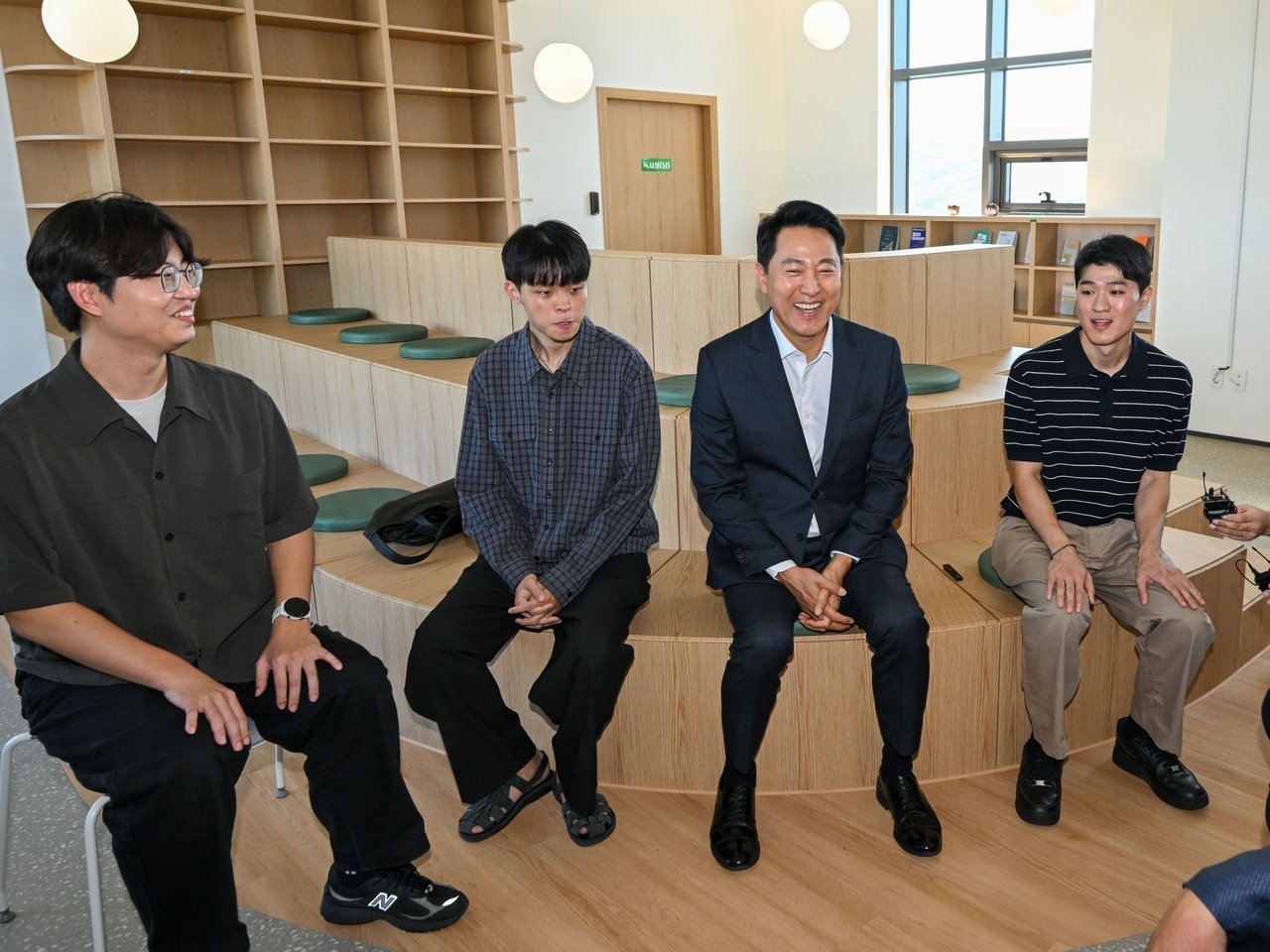
Seoul plans to expand affordable housing for young people through 2030 as intense competition and tighter lending rules make it harder for young residents to secure homes in the capital.
As part of that effort, the city aims to increase its Youth Safe Housing program to 46,000 units by 2030, up from 33,621 completed as of the end of July.
Mayor Oh Se-hoon outlined the plan Wednesday during a visit to the 605-unit Sageium Youth Safe Housing complex in Gaebong-dong, Guro-gu, where he met residents to discuss housing costs and financing difficulties.
Youth Safe Housing is a Seoul city rental housing program for young people and newlyweds, offering homes near subway stations and major roads at below-market rents.
Public rental units are priced at about 30 percent to 50 percent of surrounding market rates, while publicly supported private rentals are offered at about 75 percent to 85 percent.
“The competition is intense because there are not enough units. We need to supply more,” Oh said.
Residents said the lower rents had eased their housing costs, but some raised concerns about difficulties securing loans for deposits and lease renewals.
Seoul is also considering expanding eligible areas for Youth Safe Housing from within 250 meters of a subway station to within 500 meters to facilitate additional supply.
Oh said achieving the city’s housing goals would require more private investment and urged the central government to provide greater tax and financial support for developers.
“The Seoul Metropolitan Government has a strong commitment, but the central government has yet to ease tax and financing regulations,” he said.
Youth Safe Housing is part of a broader city plan to provide 74,000 homes for young people over the next four years through a range of housing programs.