
 KB News Desk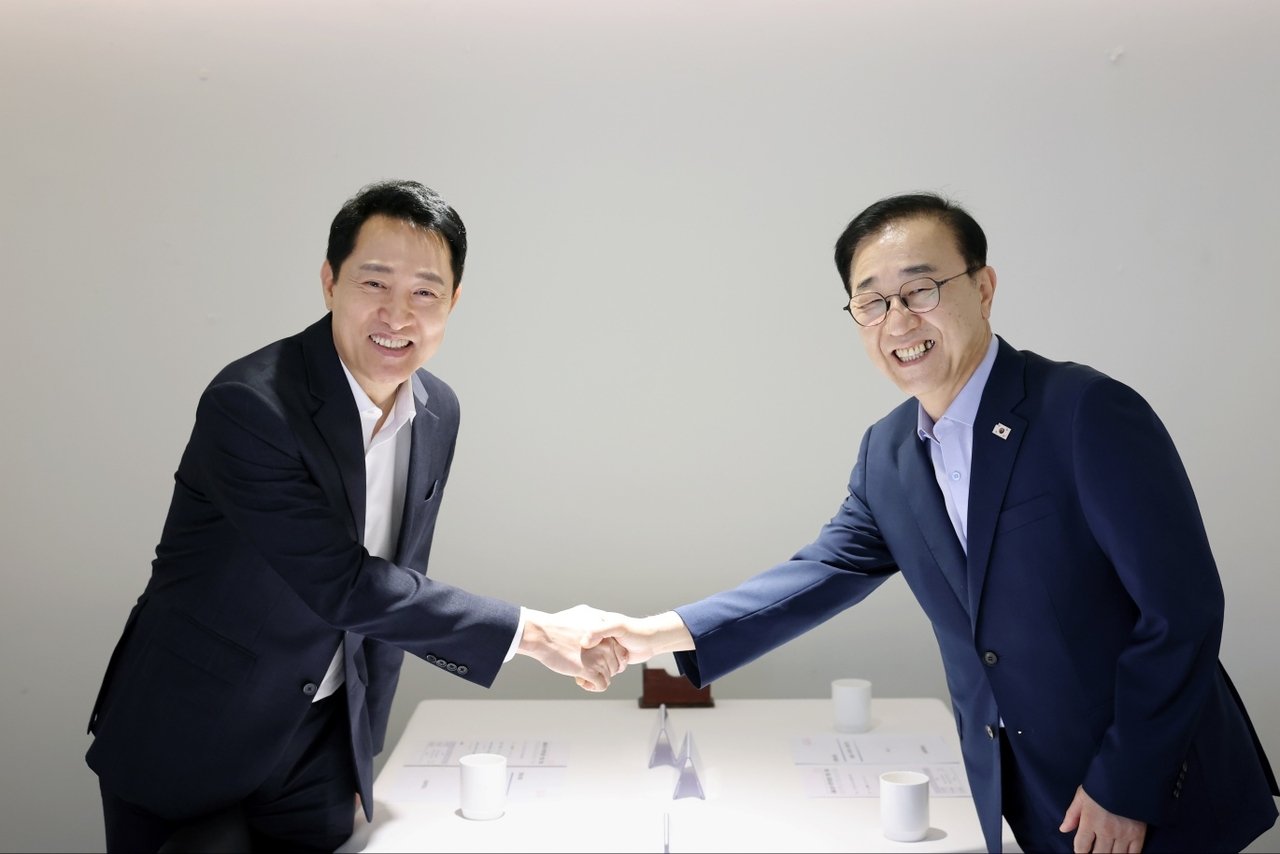
Yongsan Park-Camp Kim bill delayed to regular Assembly session
South Korea’s central government and Seoul made modest progress Wednesday in their long-running talks over housing supply in the capital, with one exception.
The two remain firmly divided over whether parts of Yongsan Park should be used for homes.
The move came as the Land Ministry agreed to review Seoul’s proposed alternative at the Tancheon Water Reclamation Center in Gangnam-gu, and the two sides moved closer on easing redevelopment rules that the city says could yield tens of thousands of additional homes.
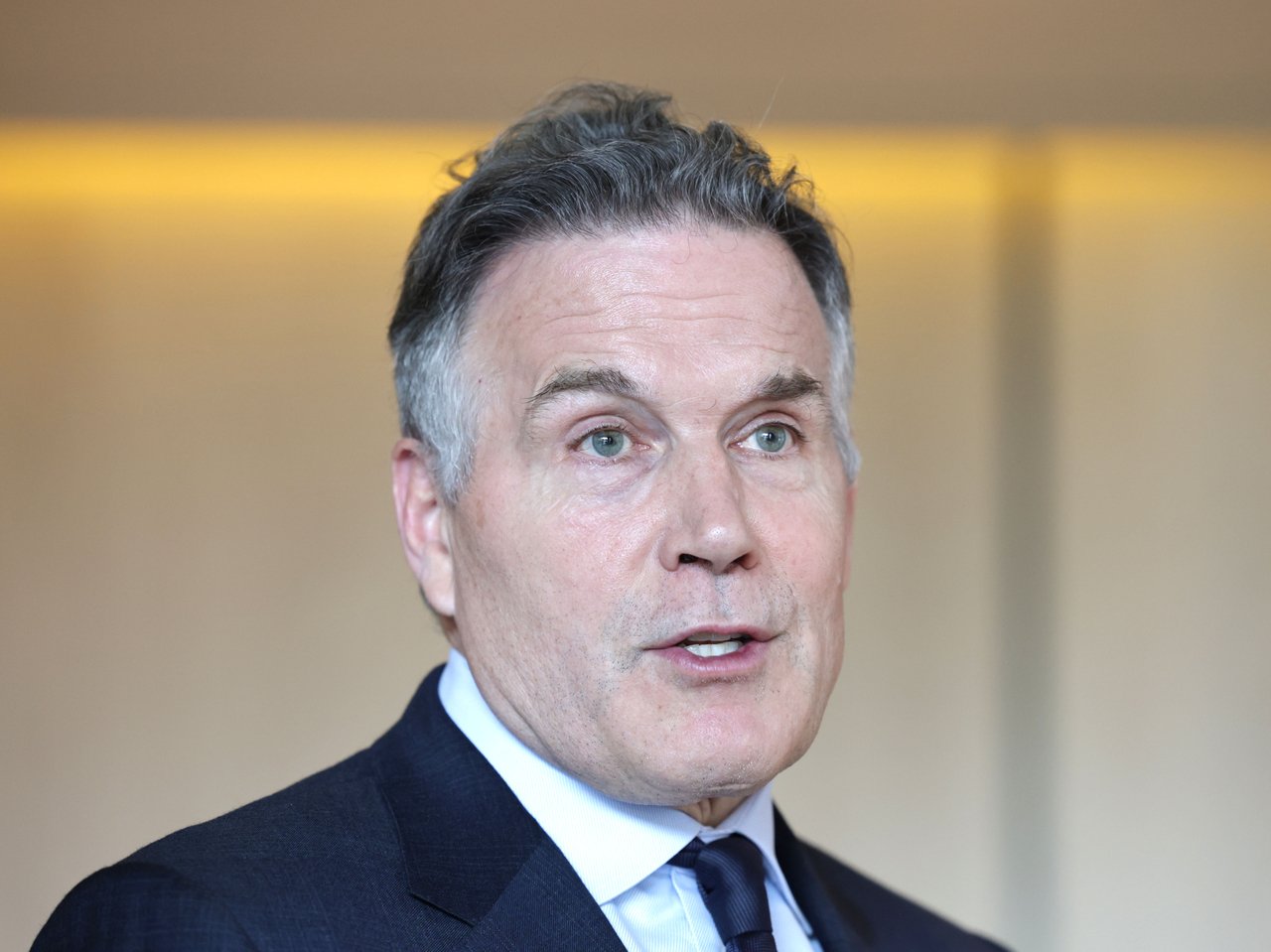
The talks marked the second meeting between Land Minister Kim Yun-duk and Seoul Mayor Oh Se-hoon in six days, after their first meeting failed to bridge differences over housing development in Yongsan Park.
The two sides remained divided on Yongsan. Kim reiterated that the government was considering only limited development on already disturbed sections of the former US military base, including areas with existing buildings, for housing aimed at young people and newlyweds.
Oh again rejected the idea.
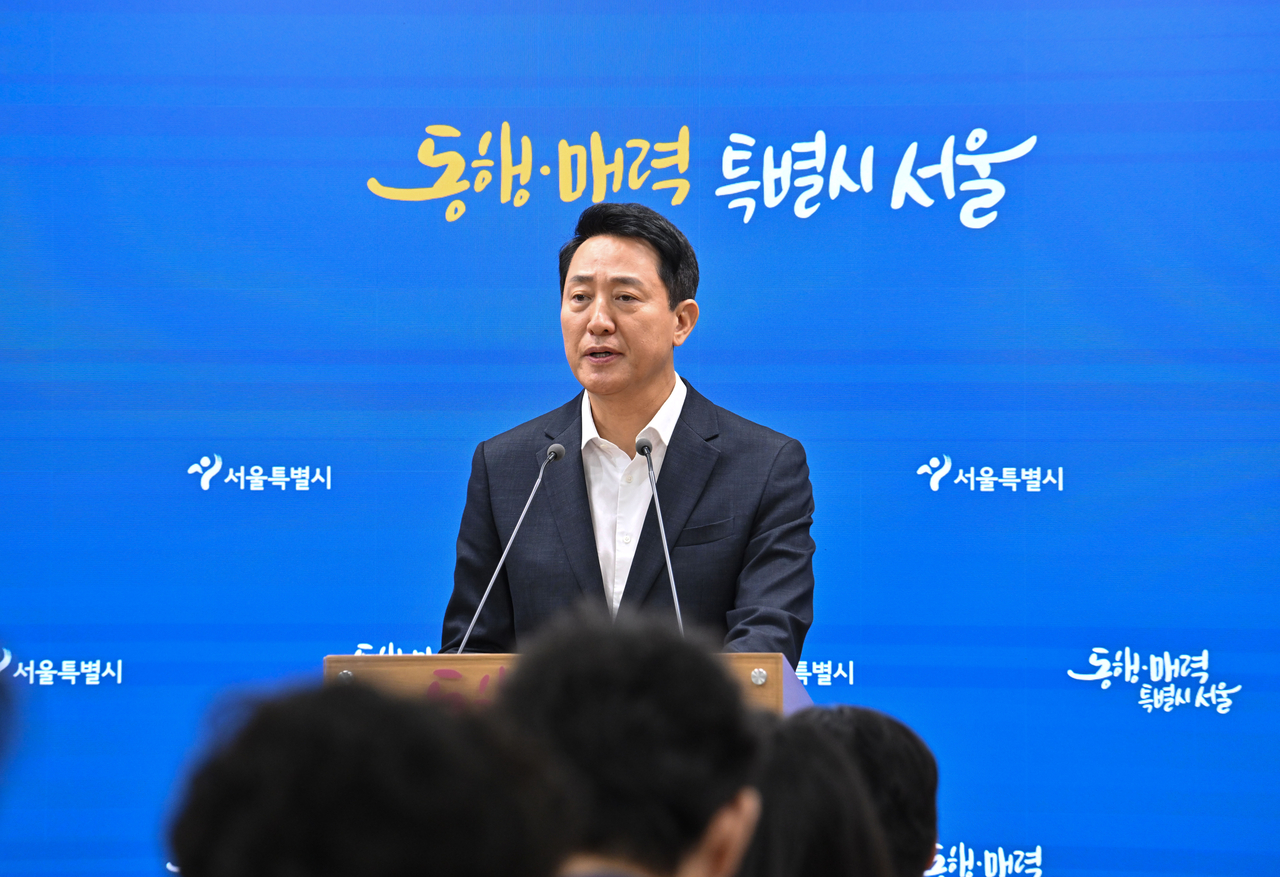
“We were again unable to narrow our differences over Yongsan Park today,” Oh told reporters at Seoul City Hall after the meeting.
“I once again stressed that Yongsan Park, at least, must be preserved,” he said, citing its historical significance, ecological value and the need for green space in central Seoul.
Any housing development in Yongsan Park would require a public consultation process, changes to the special law governing the park and cooperation from local authorities, Kim said.
More progress was made in other items on the agenda. The Land Ministry said it would review Seoul’s proposal to relocate the Tancheon Water Reclamation Center in southern Seoul and redevelop the site into a mixed-use district combining housing with digital and physical AI industries.
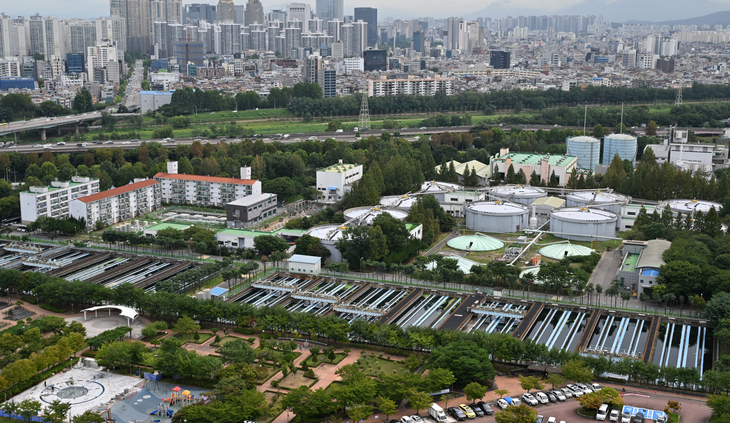
Seoul completed a master plan for the broader Tancheon area in May 2024. A feasibility review for relocating the water reclamation center is expected to be completed by the end of this year.
At about 393,000 square meters, the site is larger than the roughly 300,000-square-meter Yongsan Children’s Garden. Seoul estimates that using about half of it for housing could yield 10,000 to 13,000 homes.
Oh said the city could raise about 5.5 trillion won ($4 billion) in initial funding by selling nearby city-owned properties, including the SETEC convention center site, valued at about 2.3 trillion won, and the Dongbu Road Maintenance Office site, estimated at about 3.3 trillion won.
The two sides also appeared to move closer on Seoul’s request to ease floor area ratio limits for private redevelopment projects.
Seoul has asked the government to allow redevelopment projects to build up to 1.2 times the statutory floor area ratio ceiling. Oh said Wednesday that the ministry had shown a more positive stance toward the proposal.
“The impact of the floor area ratio relaxation is much greater than expected,” Oh said.
Seoul aims to begin construction of about 310,000 homes through redevelopment and reconstruction projects by 2031. After replacing roughly 221,000 existing homes, the projects would result in a net increase of about 87,000 homes, according to the city.
Oh said easing the floor area ratio rules could add another 43,000 homes, raising the net increase to about 130,000.
“That increase alone would be greater than the combined number of homes being discussed for Yongsan Park and the Tancheon Water Reclamation Center,” he said.
The city’s redevelopment-centered approach contrasts with the central government’s greater emphasis on supplying homes through new public housing sites, with Yongsan Park emerging as the most visible point of contention.
Kim said Yongsan Park would not be included among the additional public housing sites for at least 73,000 homes that the government plans to announce as early as late September, stressing that the park had not been part of that package from the outset.
Separately, the Yongsan Park-Camp Kim bill has become another point of political contention. The ruling Democratic Party of Korea argues that it is needed to unlock housing supply at the Camp Kim site, while the main opposition People Power Party objects to what it sees as the ruling party’s unilateral handling of the legislation.
Rival parties agreed Wednesday not to put the bill and other disputed real estate measures to a vote at the day’s National Assembly plenary session, instead postponing their consideration until the regular parliamentary session.
Once home to the main US military garrison in Seoul, about 31 percent of the Yongsan Park site has been returned since 2020 following the relocation of US forces to Pyeongtaek.
During the 2022 presidential campaign, Lee Jae Myung pledged to build 100,000 homes on parts of the main Yongsan Park site and surrounding returned military land, primarily for younger Koreans.
Kim and Oh are expected to meet again next week to continue discussions.