

 KB News Desk
Samsung, SK hynix’s southwest fab plan faces talent test as engineers weigh life beyond Seoul

When the head of SK hynix spoke in Seoul on Sunday about Korea’s largest-ever semiconductor commitment, his first request to the government was not for money, land or power; it was for good schools.
Without them, the chief executive Kwak Noh-jung warned, sending young engineers south could create “weekend couples,” the Korean shorthand for families split by a distant job posting.
Samsung Electronics and SK hynix have committed a combined 800 trillion won ($517 billion) to build four memory fabs in Jeonnam-Gwangju, a region some 300 kilometers southwest of Seoul, the government announced Monday. Judging by what the executives asked for, one of the hardest constraints is not capital; it is whether skilled workers will agree to live there.
The doubt has a nickname. Job-seekers speak of a “southern recruitment limit” at Pyeongtaek, the Gyeonggi Province city below which top engineers have been reluctant to work. Pyeongtaek hosts Samsung’s largest chip complex, the world’s biggest single semiconductor site.
The new fabs are bound for Honam, well below that mark.
Enough graduates, but not enough veterans
The argument over staffing the fabs runs along two tracks that often get blurred. The first is raw numbers, and that one is close to settled.
Regional officials claim the area could turn out at least 2,000 chip-ready graduates a year, split between universities and vocational schools. Chonnam National University, the region’s flagship public university, graduates more than 500 a year from departments tied to chipmaking, spanning electronics, materials, chemistry and physics. The Gwangju Institute of Science and Technology runs a program that admits 30 students a year and funnels them straight into Samsung under a guaranteed-hiring contract. The institute also has a separate design academy built with Britain’s Arm, the firm whose chip blueprints are inside most of the world’s smartphones, which aims to train 1,400 designers over five years.
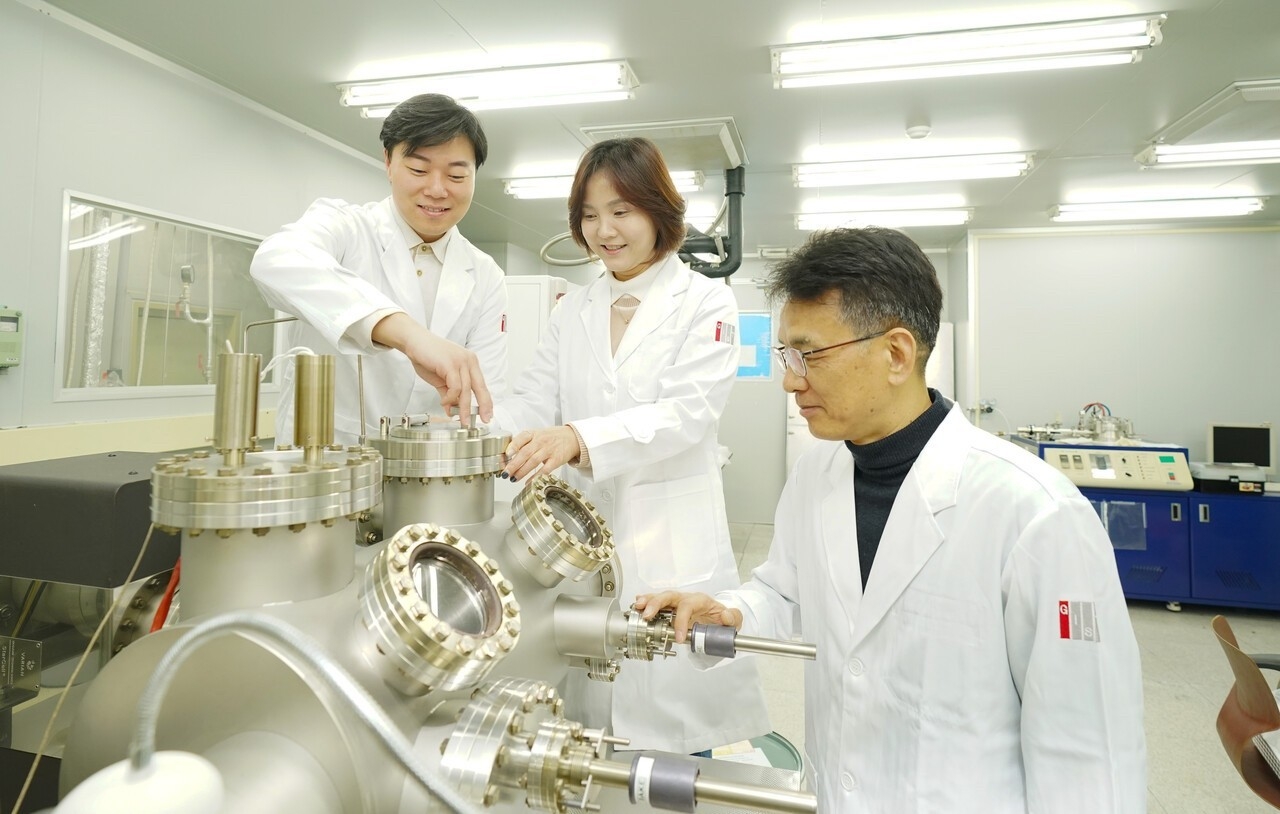
Half a dozen other local universities have added semiconductor majors of their own, and the newly merged regional government has set a target of training 100,000 workers across artificial intelligence, energy and chips.
“Local talent alone is enough to run these fabs,” Ryu Sang-wan, a professor at the Gwangju-Jeonnam Joint Semiconductor Research Institute at Chonnam National University, told The Korea Herald. He noted that Amkor’s packaging plant in Gwangju “already employs about 4,500,” but admitted that a front-end fab, which handles the complex early stages of chipmaking, “would need far more.”
Ryu explained that automation has thinned the operator ranks of a fab workforce and made engineers the bulk of a modern plant, and those engineers are the graduates the region can supply.
Lee Min-jae, dean of GIST’s graduate school of semiconductor engineering, said the southern limit line exists only “because the good jobs are all clustered in the capital region.” Honam has trained skilled people for years, he said, but the capital “absorbed all of them.” Building fabs in the south, according to his logic, is the fix, not the gamble.
Fabs can move south. Expertise may not follow
A graduate is not the same as an engineer who can run a line. New hires have never touched the equipment, Ryu said, and a leading-edge fab’s machines are too costly for any campus to copy, so they must be “trained on the line, next to people who already know it.” Early on, that experience has to come down from the capital region, he admitted.
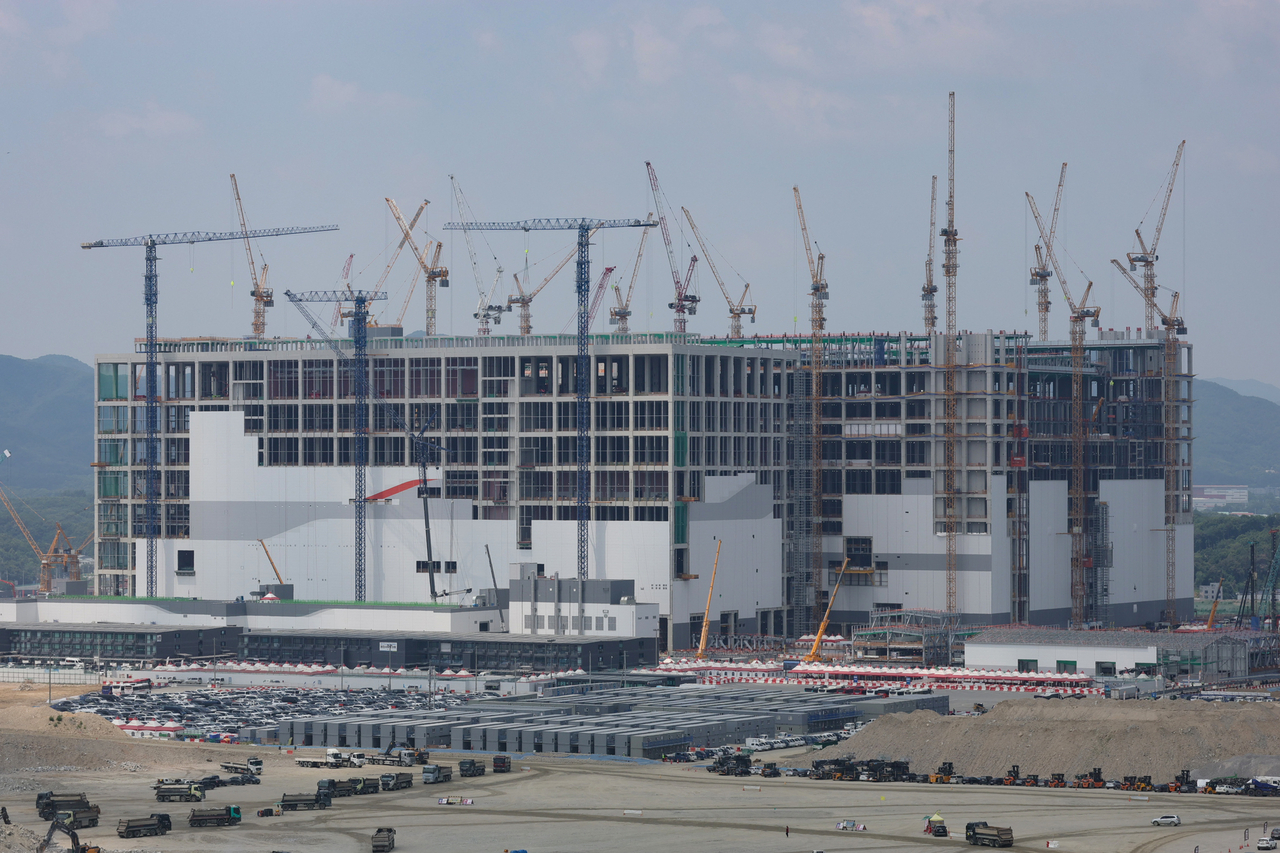
The companies’ deepest worry is that the few thousand master’s- and doctoral-level engineers who manage chip design and yield — the people who decide whether a line runs at a profit or a loss — have proven hardest to move south.
Hwang Cheol-sung, a materials science professor at Seoul National University, told local media that Korea’s edge comes from keeping research and production side by side, where an engineer can test an idea on the line and see the result the same day. The most advanced tools are too costly to duplicate in a separate lab, so researchers work on the live production floor, an arrangement that breaks the moment the fab sits in Honam and the labs stay near Seoul.
Pull the two apart, he warned, and “competitiveness is bound to fall sharply,” pointing to US rival Micron, its labs and fabs scattered across countries, as the cautionary case.
There is precedent at home. When Samsung Display built a complex in Asan, South Chungcheong Province, top engineers reportedly balked at relocating. The fix then, analysts say, was money and livability: sustained bonuses and amenities good enough to keep people in place.
President Lee Jae-myung, who has staked his presidency on loosening Seoul’s grip on the nation’s wealth, said the goal was “not just to build factories, but to make places where people want to live,” pledging investment to make the region even rival the capital.
What no policy can quickly change is the calculation in the engineers’ own minds. One Samsung engineer, five years in, told The Korea Herald he had just bought a home in Seoul to start married life and was unsettled by talk of a far posting.
“A plant moving,” he said, “doesn’t automatically mean its people move with it.”