
 KB News Desk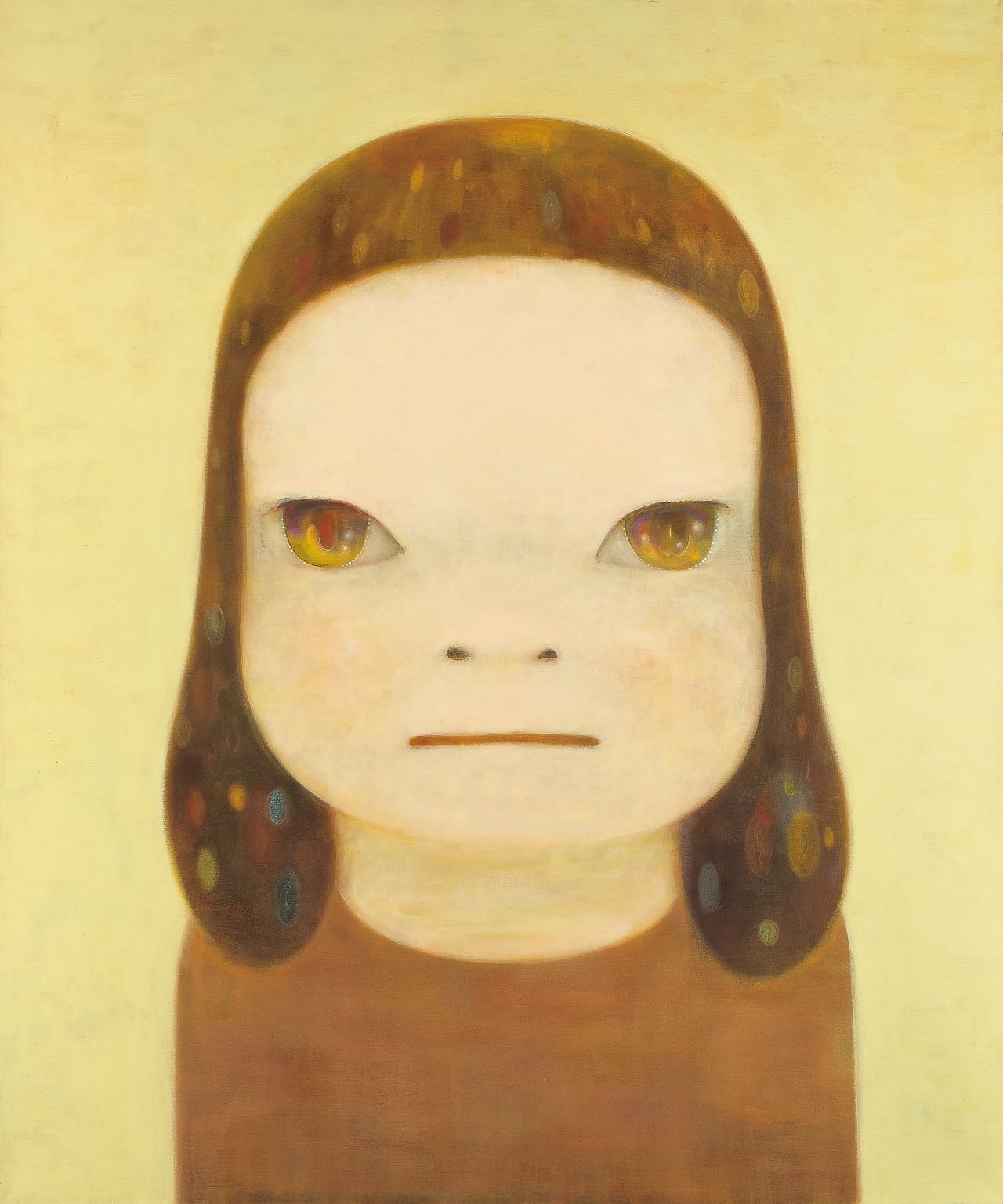
South Korea’s art market nearly doubled in value in the first half of this year, but growth was driven more by sizeable sales than a broader recovery, according to a report by the Korea Art Authentication and Appraisal Institute.
Combined sales at seven domestic auction houses reached 110.8 billion won ($75,700) in the January-June period, up 99.05 percent from the same period last year, the report showed on Monday.
The number of lots offered, however, fell 11.03 percent during the period from 9,607 to 8,547. This suggests “the increase in total hammer sales was driven not by a broader increase in the number of works offered, but by a small number of ultra-high-value transactions, making market concentration more pronounced than overall market growth,” the report wrote.
The largest contribution came from Seoul Auction’s March sale, where Yoshitomo Nara’s “Nothing about it” sold for 15 billion won, setting a new domestic auction record. At the same auction, Yayoi Kusama’s “Pumpkin” fetched 10.45 billion won.
The two works accounted for 23 percent of the total hammer sales recorded by seven Korean auction houses in the first half of the year.
The number of billion-won sales also increased sharply: Eight works sold for more than 1 billion won during the first half, compared with just one in the same period of 2025.
“Just as gains in the benchmark Kospi were concentrated in a handful of large-cap stocks, capital in the art market flowed to proven blue-chip artists and leading auction houses,” the report said.
Ultra-high-value sales were dominated by international artists. Of the eight works that sold for more than 1 billion won during the first half, five were by international artists, while three were by Korean artists, including two works by Lee Ufan and one by Korean independence activist Ahn Jung-geun (1879-1910).
The trend was mirrored in the global market. Combined hammer sales at Christie’s, Sotheby’s and Phillips rose 70.1 percent on-year to 6.77 billion dollars in the first half, while transaction volume increased just 4.5 percent.
“This pattern of concentration in a small number of ultra-high-value works was consistently observed across cities, auction houses, online channels and market categories,” the report said.
KAAAI is a private research institute specializing in art authentication, appraisal and market analysis based in Seoul.