
 KB News Desk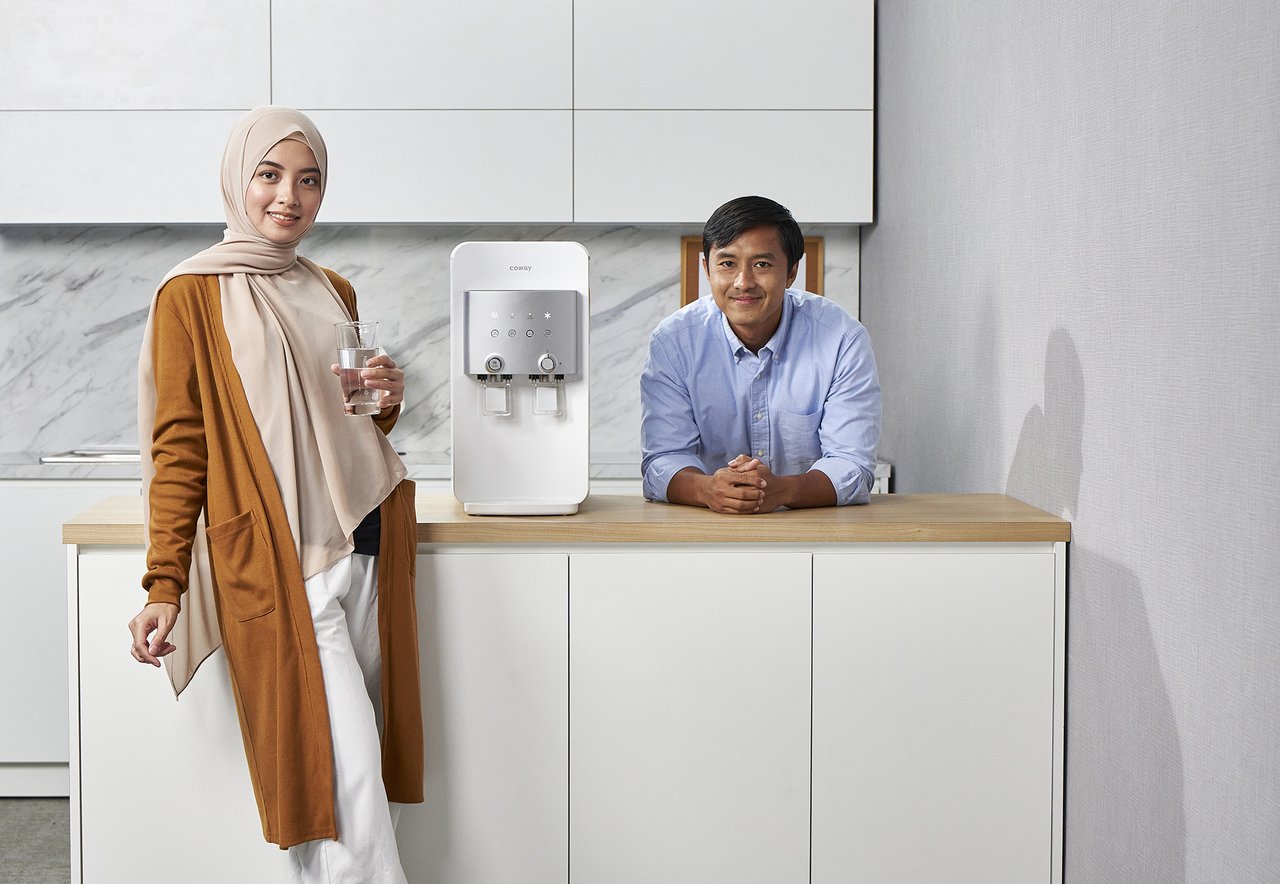
Coway leads overseas push, with foreign markets generating 40% of sales
Carlyle’s 1 trillion won ($683 million) bet on Chungho Nais has put fresh attention on an unlikely Korean export success: subscription-based water purifiers.
South Korea has spent decades turning water purification into a recurring-service business. Monthly rental fees, scheduled filter replacements and regular technician visits have made clean drinking water an ongoing service rather than a one-time appliance purchase.
Now, with the domestic market nearing saturation, Korean purifier makers are taking that model overseas. Coway, LG Electronics, Cuckoo and Chungho Nais are expanding their sales and rental networks across Malaysia, Thailand, Indonesia and the US, tailoring products and services to local consumers.
Korea’s water purifier exports have risen substantially over the past decade, despite losing some momentum after peaking in 2023.
Exports climbed from $456 million in 2015 to $696 million in 2020 and $779 million last year, according to the Korea International Trade Association. They reached a record $873 million in 2023.
Coway remains the industry’s clear overseas leader. The company has spent more than a decade building its international rental operations, particularly in Malaysia, its largest market outside Korea.
Coway is estimated to have secured more than 2 million customer accounts in Malaysia, where it is widely regarded as a leading water purifier brand.
International operations generated about 40 percent of Coway’s total sales last year. Its overseas customer accounts reached 4.34 million at the end of the first quarter, more than double the 2020 level.
The company has combined direct sales with localized strategies. In Malaysia, it secured what it says was the local water purifier industry’s first halal certification. In the US, it partnered with Amazon to expand subscription-based services.
Coway now sells in about 50 countries and continues to expand in Thailand, Indonesia, Vietnam and the US.
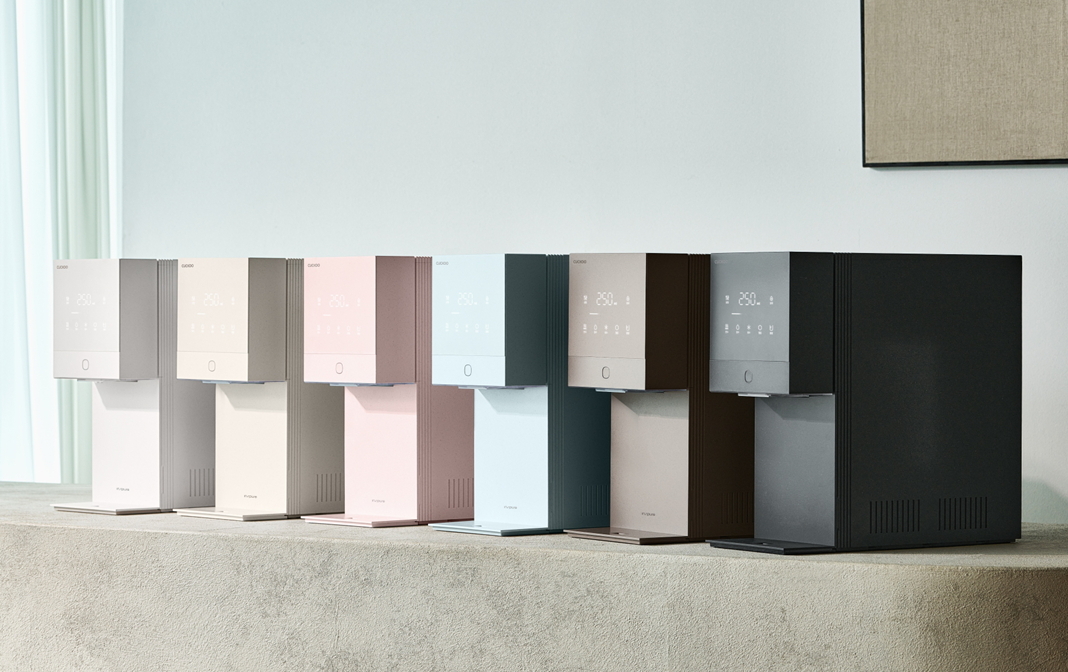
LG Electronics is also broadening its PuriCare water purifier business beyond Korea. Its home appliance rental revenue rose about 30 percent on-year to 2.5 trillion won last year, while its overseas rental operations grew more than 40 percent.
The company did not disclose sales by product. It plans to expand its global subscription business beyond water purifiers to refrigerators, washing machines and air conditioners, connecting them through a broader smart-home ecosystem.
Cuckoo Homesys took its overseas expansion a step further by listing Cuckoo International in Malaysia in June last year.
Water purifiers are estimated to generate about 70 percent of Cuckoo International’s revenue. The company has more than 1 million active rental subscribers and has expanded into Singapore, India, the US and Australia.
For Carlyle, Chungho Nais offers a platform for taking Korean purifier technology and subscription services deeper into overseas markets. The private equity firm is expected to support a faster international rollout, particularly across emerging economies where demand for reliable drinking-water systems is rising.
Chungho introduced what it describes as the world’s first water purifier with a built-in ice maker in 2003. It plans to differentiate itself through reverse-osmosis membrane technology, targeting consumers seeking purer drinking water and clearer ice.
The global opportunity is growing. The water purifier market was valued at an estimated $37 billion last year and is projected to reach $60.7 billion by 2032, according to Maximize Market Research. That represents a compound annual growth rate of 7.76 percent.
Demand is being driven by greater awareness of waterborne diseases and growing interest in smart purifiers equipped with internet-of-things and artificial intelligence features, the research firm said.
“As the global water purifier market grows, companies will need to offer products and services tailored to the needs of each region,” an industry official said.
“They will also have to navigate local regulations, water-quality standards and competition from multinational appliance manufacturers.”