
 KB News Desk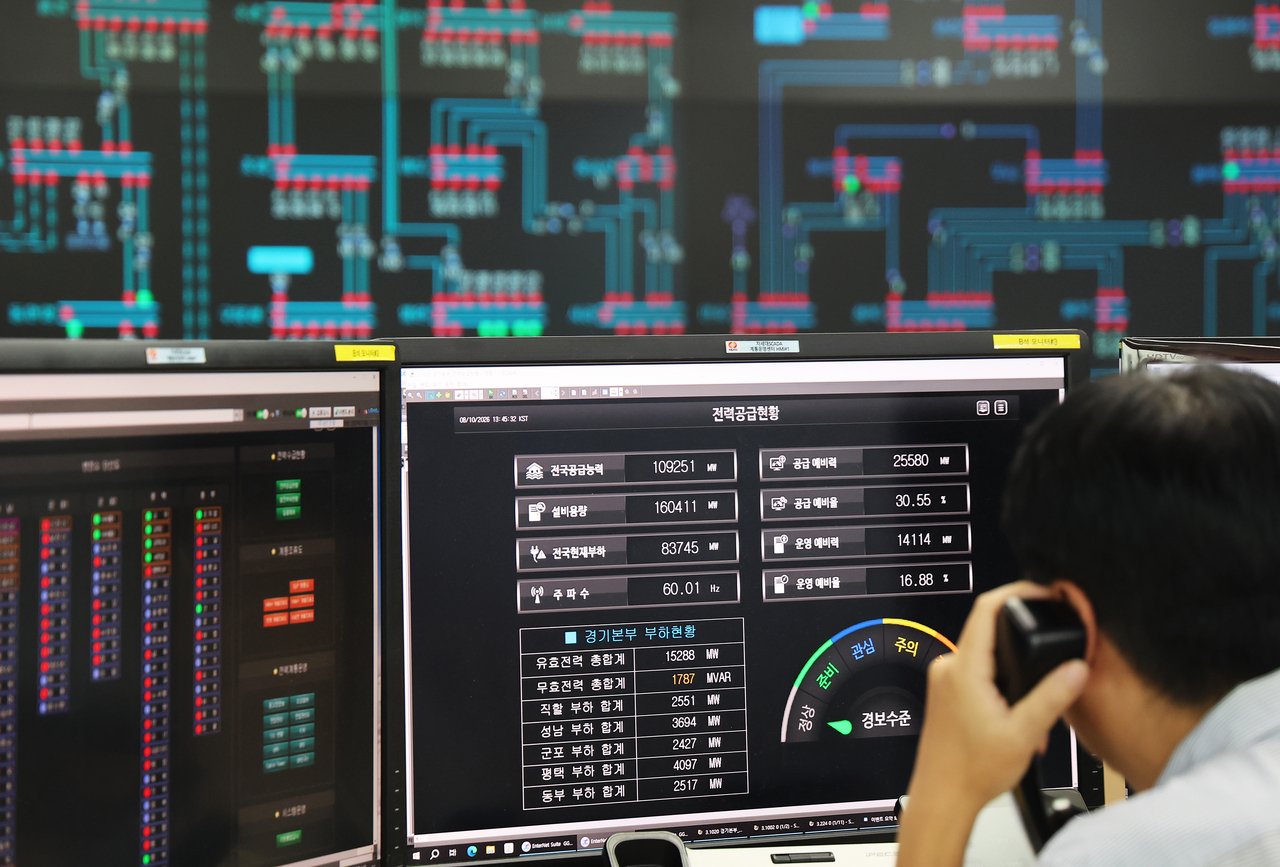
Nuclear and renewables can coexist, but Korea needs a more flexible grid
South Korea’s record-breaking heat wave put the competing demands on its power system into sharp relief as the country seeks to meet rising electricity needs with both nuclear and renewable energy.
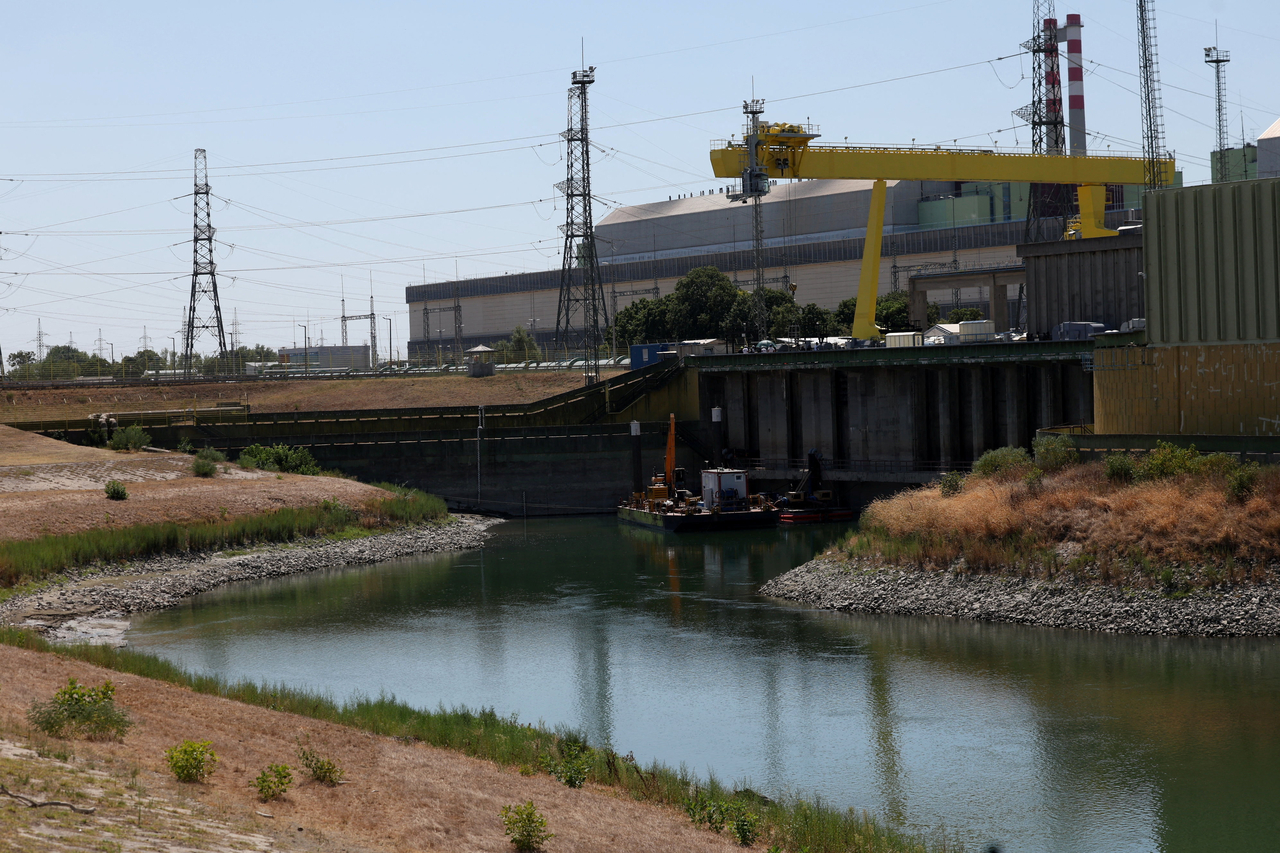
In Europe, extreme heat and drought have forced some nuclear plants to cut output because of cooling-water constraints. Korea faces a different problem as rapidly expanding solar generation produces large amounts of electricity during the day, while nuclear plants are less able to adjust output quickly amid shifting supply and demand.
Experts say the challenge is no longer simply whether Korea should favor nuclear power or renewables. It is whether the country can build a power system flexible enough to accommodate both, with sufficient transmission capacity, energy storage and generation that can respond quickly when supply and demand fall out of balance.
Nuclear power put to the test
Several European nuclear power plants have faced shutdowns or output cuts this summer amid extreme heat, drought and cooling-water concerns. Korea has also been examining how high temperatures could affect its nuclear plants.
The Nuclear Safety and Security Commission inspected the Hanul Nuclear Power Plant in Uljin, North Gyeongsang Province, last Wednesday to check its heat exchangers and monitoring equipment amid concerns over rising seawater temperatures.
Experts say Korea’s coastal nuclear plants may be less vulnerable to the specific problems affecting some river-cooled plants in Europe.
“Korea pumps seawater from deep below the surface for nuclear plant cooling. That is different from some European nuclear plants, which draw water from rivers and are more vulnerable to rising river temperatures,” said Yoo Seung-hoon, a professor of energy policy at Seoul National University of Science and Technology.
But the rapid growth of solar generation is creating a different challenge for the operation of Korea’s nuclear plants.
At around noon on Aug. 7, solar power accounted for 26.6 percent of total electricity demand, exceeding nuclear power’s share.
As solar generation has increased in recent years, nuclear plants were subject to 27 instances of output control in 2025, up from three in 2021, amid concerns over excess power on the grid.
Environmental groups have opposed plans to expand nuclear power, arguing that greater reliance on renewable energy could provide an alternative. Experts, however, say renewables alone cannot easily replace nuclear power.
Solar generation falls rapidly toward the evening, even as electricity demand can remain high.
“Solar power also has limitations, as its output falls sharply by around 5 p.m., leaving it with little capacity to meet peak evening demand,” Yoo said.

Beyond the nuclear-renewable divide
The different characteristics of nuclear and renewable energy mean they should be viewed less as substitutes than as complementary parts of the power mix, experts say.
“The desirable power mix consists of two pillars. Nuclear power provides baseload electricity around the clock, while solar provides cheap electricity during the day. ESS and other flexible resources can fill the gap between them,” said Moon Joo-hyun, a professor of energy engineering at Dankook University.
“Output control does not mean nuclear power is losing its place in the power mix. It means the grid cannot accommodate all the electricity being generated.”
With artificial intelligence expected to drive up electricity demand, experts say the focus should be on making the power system more flexible rather than choosing one power source over another.
That would require expanding transmission networks and energy storage, reforming the electricity market and securing generation sources that can quickly adjust output as renewable generation rises and falls.
Yoo said liquefied natural gas could serve as one such flexible source because gas-fired plants can adjust output more quickly than nuclear plants.
“Nuclear plants take more than four days to shut down and restart, while solar power cannot perform its role when the weather is cloudy, even as electricity demand surges during hot weather,” Yoo said.
“As the share of renewable energy increases, I believe a certain amount of natural gas generation capacity will also be necessary to complement it.”

Infrastructure struggles to keep pace
The infrastructure needed to manage those different sources of electricity has not kept pace with the growth of renewable energy, contributing to recurring output controls.
According to the Ministry of Climate, Energy and Environment, 169,812 megawatt-hours of electricity was subject to output control last year, referring to power generation that could not be fully absorbed by the grid. The figure reached an estimated 161,805 MWh in the first five months of this year alone.
The government’s nationwide energy storage projects are expected to add 563 megawatts of capacity by the end of this year and another 565 MW by the end of next year.
However, some existing storage facilities are operated for only a few hours a day because of concerns about fire and other safety risks, according to Rep. Koo Ja-keun of the People Power Party.
Experts say expanding the power grid is equally important.
Energy storage is constrained by both how much surplus electricity can be stored and how long it can be held, making it necessary to move electricity between regions when supply and demand do not match locally.
“Even with local generation and energy storage, electricity surpluses and shortages can occur in different regions at different times,” Moon said. “Generation sites and major demand centers are often far apart, making the timely completion of major transmission lines crucial.”