

 KB News Desk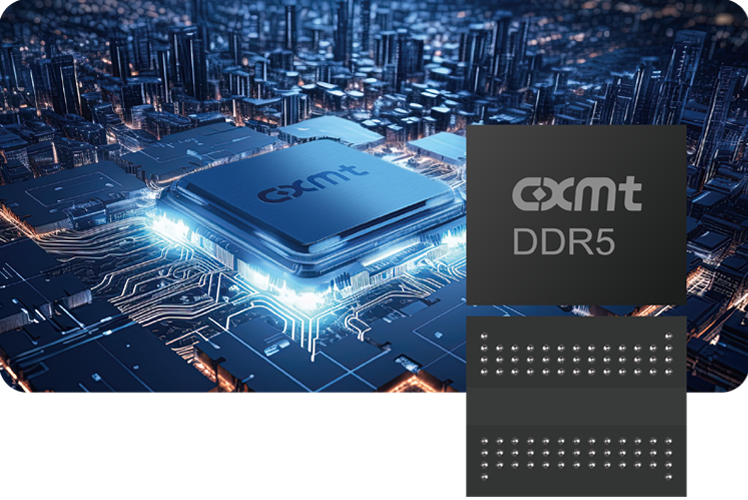
China’s top memory chipmaker CXMT is showing signs that its push into mainstream PC memory may be moving from qualification toward repeatable commercial production, as a new Chinese report claims its DDR5 manufacturing yield has surpassed 90 percent while major PC makers begin using its chips in limited volumes.
Chinese technology outlet MyDrivers reported Monday that the yield on CXMT’s 17-nanometer-class DDR5 had “surpassed 90 percent,” saying the improvement had “significantly improved overall supply conditions.”
The figure has not been independently verified, and MyDrivers did not identify its source or specify how the yield was measured.
Yield measures how much usable output a chipmaker gets from its manufacturing process, directly affecting costs and available supply. Higher yields make it easier to turn technically viable chips into economical mass production.
The “17-nanometer-class” label refers broadly to the manufacturing generation used to make CXMT’s DDR5, rather than the literal size of every feature on the chip. It is less advanced than the newest DRAM processes used by Samsung Electronics, SK hynix and Micron.
But that distinction is less decisive in mainstream DDR5 than in cutting-edge products such as HBM or next-generation mobile memory. DDR5 remains the standard system memory for PCs and servers, where reliable supply at scale can matter as much as leading-edge process technology.
Reuters reported in late June that CXMT had struggled with low DDR5 yields in the first quarter. The reports are not directly comparable because they do not disclose a common yield definition, but if the latest figure broadly reflects production, it would suggest a marked improvement in manufacturing stability within months.
Evidence of customer acceptance is firmer.
The Wall Street Journal reported Sunday that HP and Acer had begun using CXMT memory outside the US, while Apple was testing its chips for products including iPhones and MacBooks. That built on earlier Financial Times and Bloomberg reports that Apple was exploring CXMT as a China-market supplier while seeking to overcome political resistance in Washington over sourcing from a Pentagon-blacklisted Chinese chipmaker.
MyDrivers said several major PC makers had completed qualification around midyear and begun using CXMT DRAM in some notebooks, while stressing that model numbers and shipment volumes remained “quite limited.” It said HP restricted use to mainland China, Asus and Acer used the chips mainly in China and emerging markets, and Dell did not use them.
CXMT still trails the established DRAM leaders in scale and advanced-memory capability. Counterpoint Research put Samsung, SK hynix and Micron’s combined second-quarter DRAM revenue share at 90 percent, against CXMT’s 7 percent. Yet CXMT’s revenue surged 716 percent on year, making it the world’s fastest-growing DRAM supplier.
“If CXMT can expand its capacity and capability to meet domestic and overseas demand, starting with PCs and potential Tier-1 international customers, the supplier’s market share will balloon and look a lot different a year from now,” Counterpoint Research Vice President Neil Shah said.