
 KB News Desk
Ottawa expected to pick winner in its multibillion-dollar submarine race before July 7 NATO summit
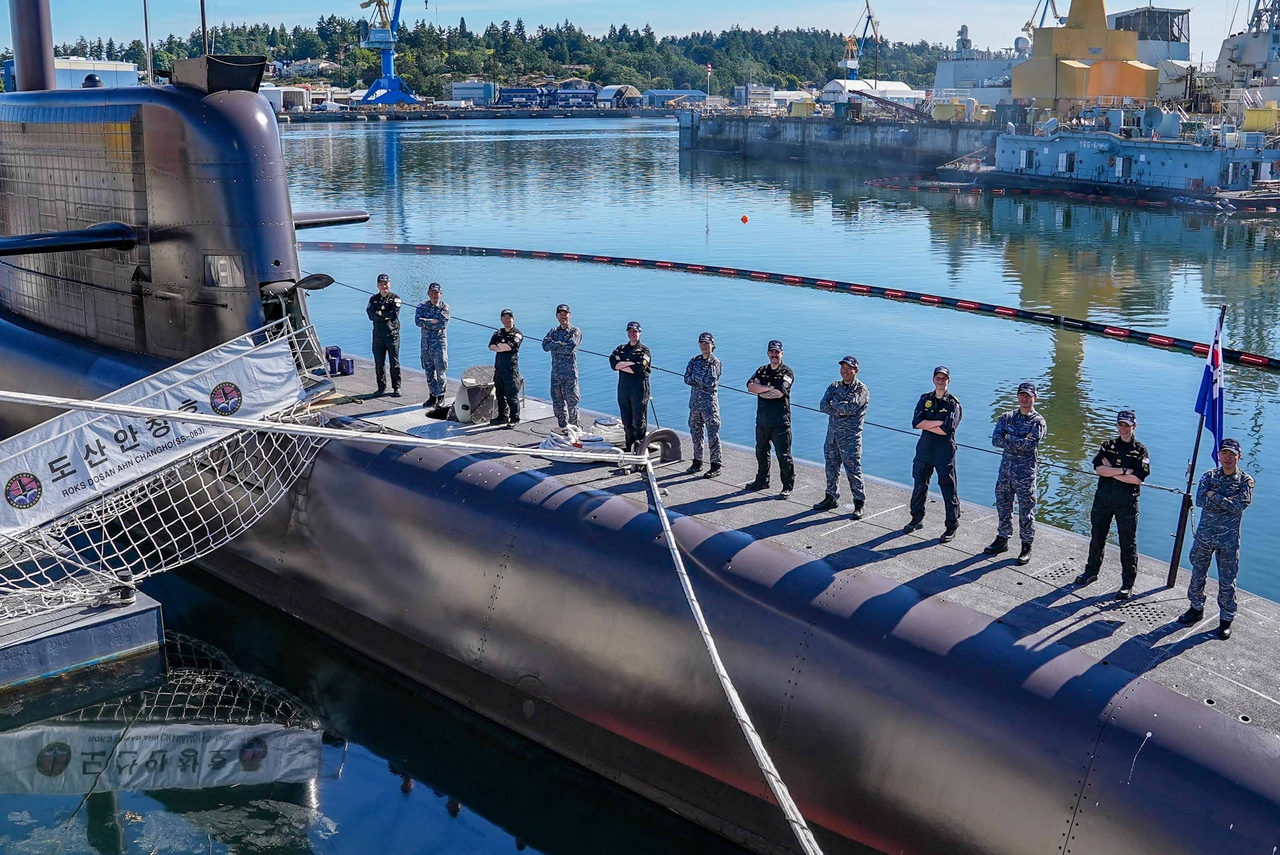
As Canada closes in on a decision on one of its largest-ever naval procurement projects, its defense minister has downplayed speculation that Ottawa might split its multibillion-dollar submarine contract between South Korean and German bidders.
According to a report by Canadian broadcaster CTV News on Monday, Defense Minister David McGuinty said dividing the order between two rival suppliers would likely raise costs and complicate maintenance and operations.
“If you split a fleet of any kind, you end up in many ways with compounding costs,” McGuinty was quoted as saying. “You need to service, you need to maintain, you need to sustain two different fleets. That’s a more complicated matter for any country.”
“But we’re evaluating all these things, and we’ll see when we get there.”
His remarks come as a Hanwha Ocean-led South Korean consortium is competing against Germany’s Thyssenkrupp Marine Systems for the Canadian Patrol Submarine Project, a program valued at roughly 60 trillion won ($39 billion). Industry estimates suggest the contract could ultimately be worth more than $100 billion when decades of operations and maintenance over the submarines’ lifespan are included.
The CPSP aims to acquire up to 12 diesel-electric submarines for the Royal Canadian Navy to replace its aging fleet that operates across the Arctic, Atlantic and Pacific oceans.
As competition has intensified, speculation has emerged that Canada could split the order between the two bidders: German-built submarines could be deployed on the Atlantic coast and Korean-built submarines on the Pacific coast.
CTV, citing sources familiar with the matter, reported that Canadian Prime Minister Mark Carney is expected to make a decision before departing for the NATO summit in Ankara, Turkey on July 7.
The CPSP competition has become a closely watched contest in South Korea as Hanwha Ocean works to expand its presence in the global naval shipbuilding industry. The company is offering a variant based on its KSS-II submarine, which is already in operation by the Korean Navy, while emphasizing faster delivery.
TKMS is pitching the Type 212CD, a new submarine jointly developed with Norway, leveraging its track record as a longtime supplier of conventional submarines to NATO members and allied nations.
With analysts saying the race remains too close to call and both sides appear to meet Canada’s military requirements and timeline, the outcome may hinge on industrial benefits. Canadian officials have stressed that industrial participation and domestic job creation will be major factors in the final decision.
Hanwha, alongside its partner HD Hyundai Group, has assembled one of the most ambitious industrial packages. Hanwha says it has signed more than 80 partnerships, including with steelmaker Algoma Steel and the Automotive Parts Manufacturers’ Association, while promoting broader cooperation in defense, energy, steel, batteries and aerospace.
Hanwha says its overall package could generate more than 433,000 jobs and contribute more than 96.3 billion Canadian dollars ($67.7 billion) to GDP from 2026 to 2044.
So far, TKMS has signed 19 memorandums of understanding, with additional partnerships expected to follow. The German firm stated that its bid could drive CA$160 billion in economic activity, contribute CA$86 billion to GDP, and support over 650,000 jobs.