
 KB News Desk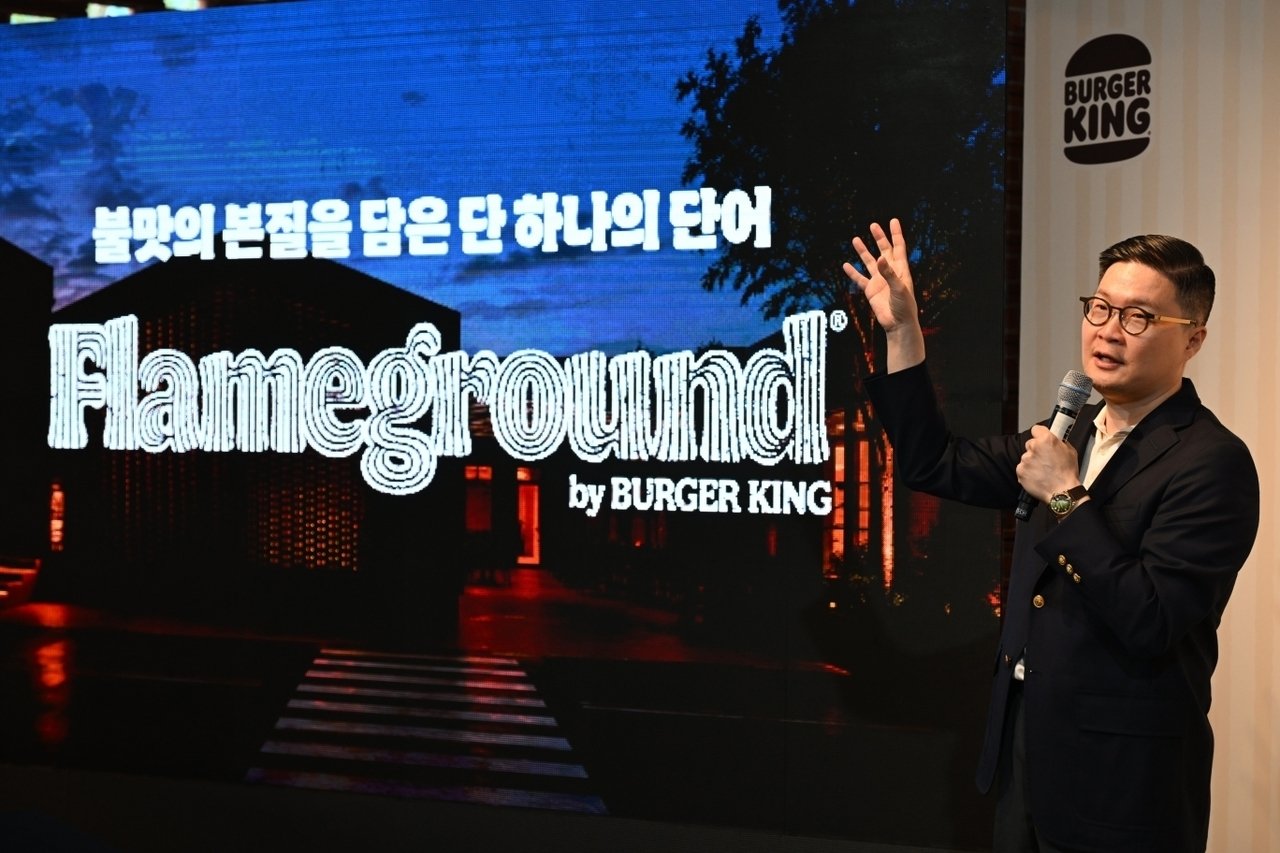
Burger maker targets W1.1tr in sales, 600 stores this year on heels of new flagship
Burger King Korea is opening its first global flagship store in Seongsu, Seoul, casting 70 years of flame-grilled heritage in a new register, across menu and atmosphere alike.
Speaking at a media briefing on Wednesday, Burger King Korea CEO Lee Dong-hyeong described the store, fittingly named Flameground, as a place built to let customers experience the brand’s burgers in new flavors, set within a space shaped by its flame-themed identity.
“Beyond offering the same experience at every store worldwide, our next step is the flagship experience,” Lee said, framing Flameground as a natural next step for a brand nearing a new scale. “Flameground will be the starting point that shapes the brand experiences Burger King rolls out from here.”
Lee also distinguished Burger King’s Korean stores from the global headquarters’ standard format, since Korea’s market maturity lets the brand evolve stores like Flameground on its own terms.
The Korean operation has set its sights higher this year, eyeing more than 1.1 trillion won in revenue alongside a 600-store count, Lee added.
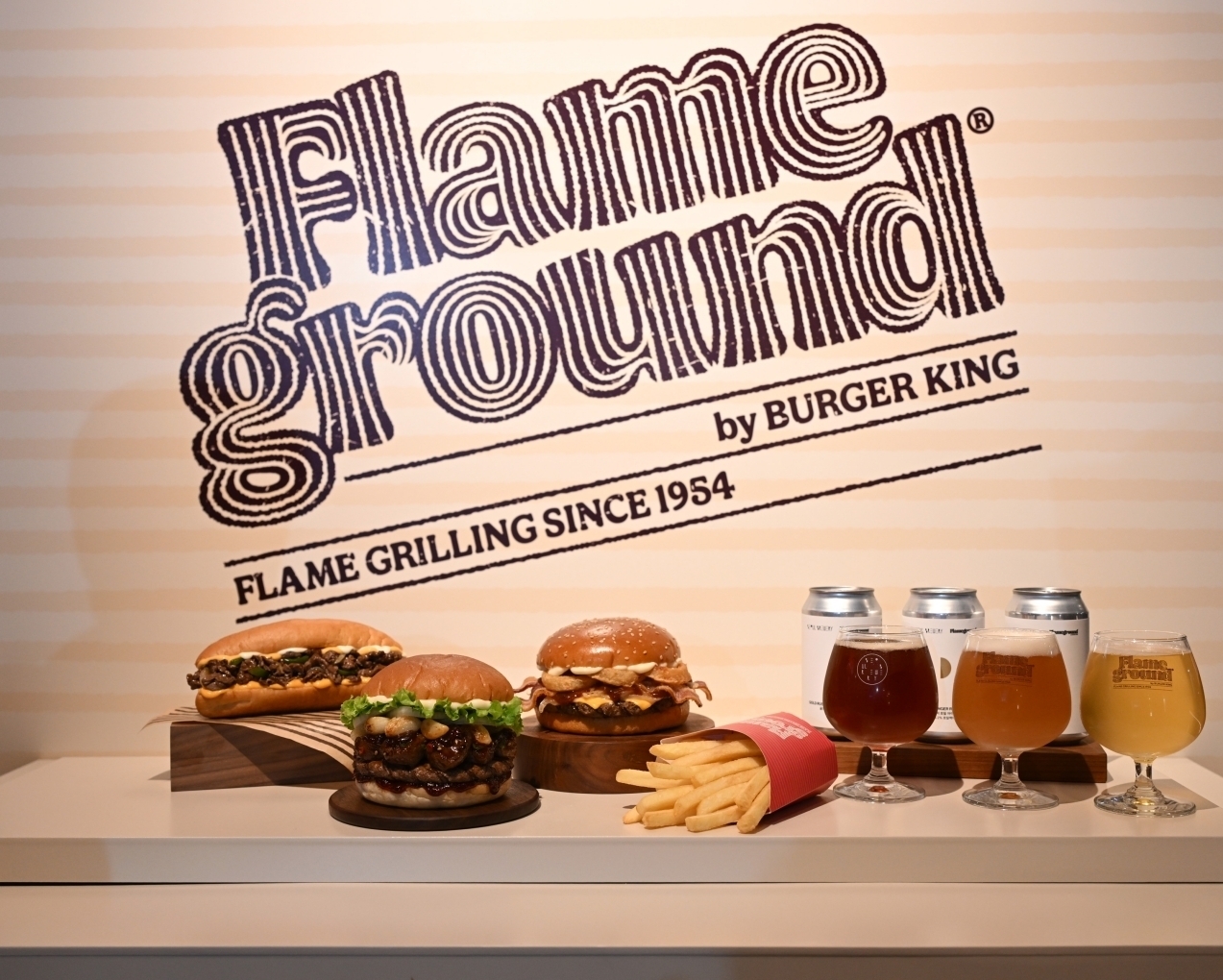
At the flagship’s core is an exclusive three-burger lineup spanning Korean, global and classic traditions, all grilled over open flame.
“The K-Cube Ribs Burger combines galbi flavor with a Whopper patty. It’s our most Korean burger,” said a company official surnamed Choi, who heads the company’s product innovation center. The Memphis BBQ Burger delivers smoky char-grilling and sweet-salty barbecue in stages, while the Philly Cheesesteak reinterprets Philadelphia’s iconic street food.
Alongside the exclusive burgers sits the Gastro, a reservation-only course dining format that unpacks the Whopper into a sequence of courses, stretching the quick-service format toward fine dining.
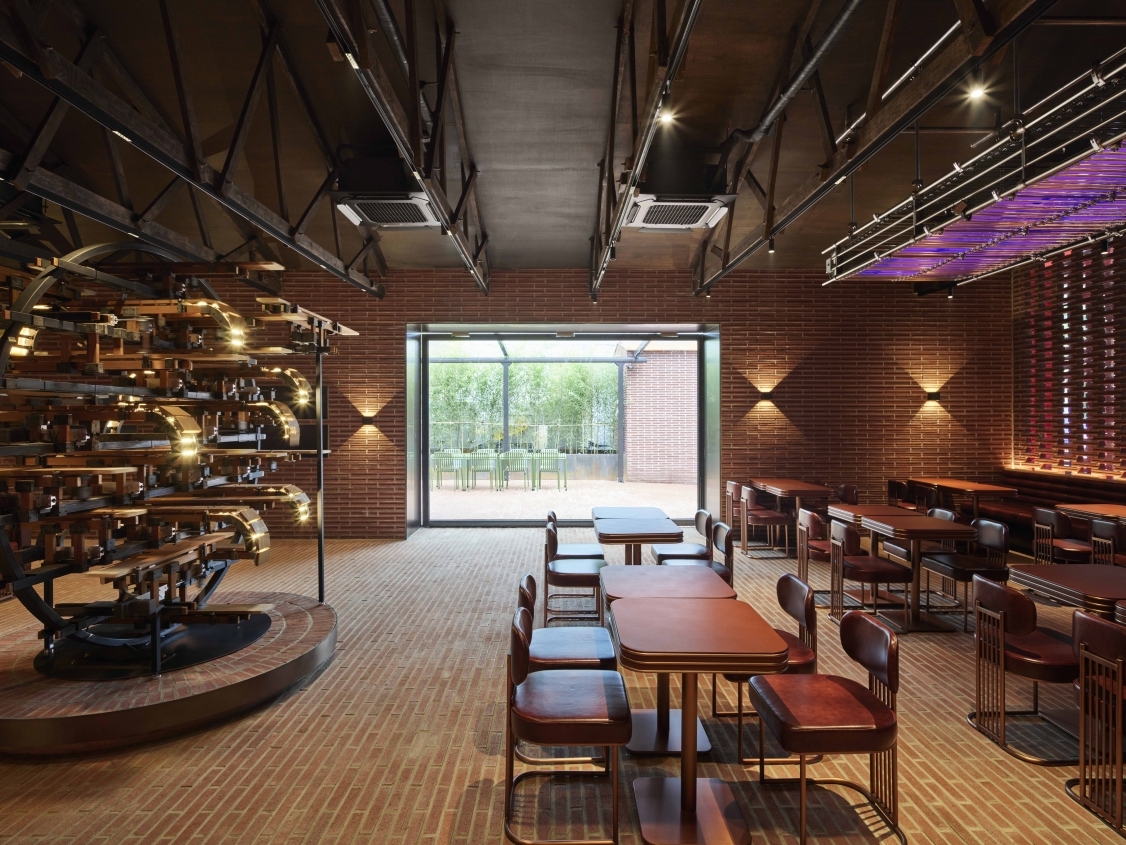
Flameground is a cultural space as much as it is a restaurant, according to the company, with its identity embedded in the visual design.
A corridor is shaped after the broiler, while the main hall uses red brick, metal, charred wood and warm light. Work from five Korean artists translates the brand’s heritage into distinct stories, including kinetic displays, sound-and-light pieces echoing the broiler’s motion, and fire-themed installations.
The company said it chose Seongsu not only for its resemblance to the brand’s own identity, but also for its status as a hub of consumer trends, and hopes visitors will embrace the flagship’s reinterpretation of the brand.
“We judged Seongsu, where the legacy of a former industrial district coexists with new trends, to be a strong match for Burger King’s flame-grilled heritage,” said Lee Sang-hwa, chief marketing officer at Burger King Korea.
The flagship’s public grand opening is set for Sept. 10.