
 KB News Desk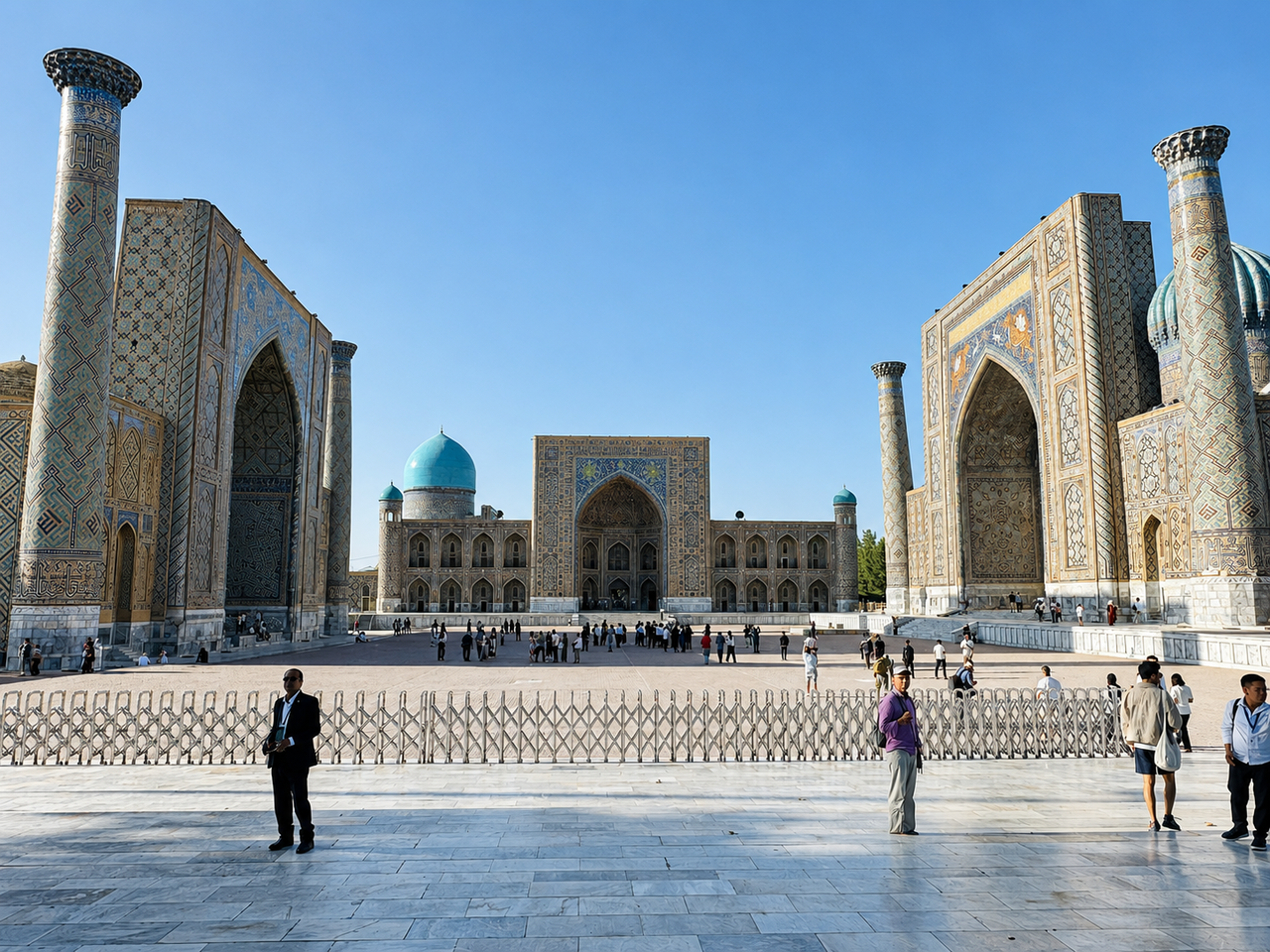
Ancient links, Korean community and economic ties connect Korea with the Silk Road city
SAMARKAND, Uzbekistan — Registan Square, Shah-i-Zinda, Mirzo Ulugh Beg’s observatory and the Imam Bukhari complex stand as reminders of Samarkand’s more than 2,700-year history as a crossroads of the Silk Road.
Its ancient networks extended across Eurasia, including to the Korean Peninsula.
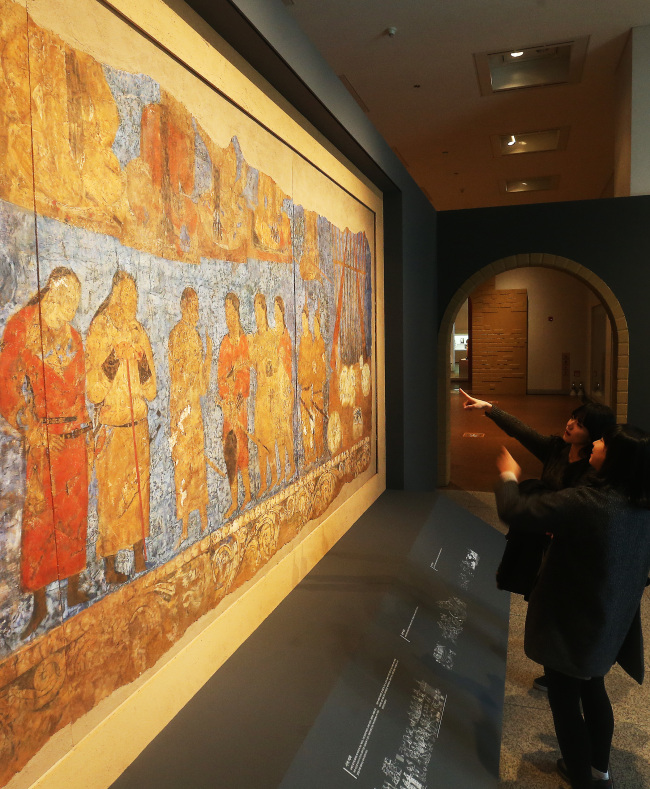
At Afrasiab, seventh-century murals show foreign visitors at the court of a Samarkand ruler. Two figures have been associated by many researchers with Goguryeo, one of Korea’s ancient Three Kingdoms, although their identity remains debated.
Other archaeological evidence, including Central Asian influences in Korean tombs and artifacts, points to broader exchanges across Eurasia.
A more direct connection came centuries later. In 1937, Soviet authorities deported Koreans from the Russian Far East to Central Asia.
Their descendants, known as “Koryo-saram,” established communities across the region, including Uzbekistan.
Samarkand, meanwhile, was shaped not only by commerce but by scholarship and religion.
Under the Timurid dynasty, Mirzo Ulugh Beg, a grandson of Amir Timur who became known for his work in astronomy and mathematics, built a madrassa at Registan Square in the early 15th century.
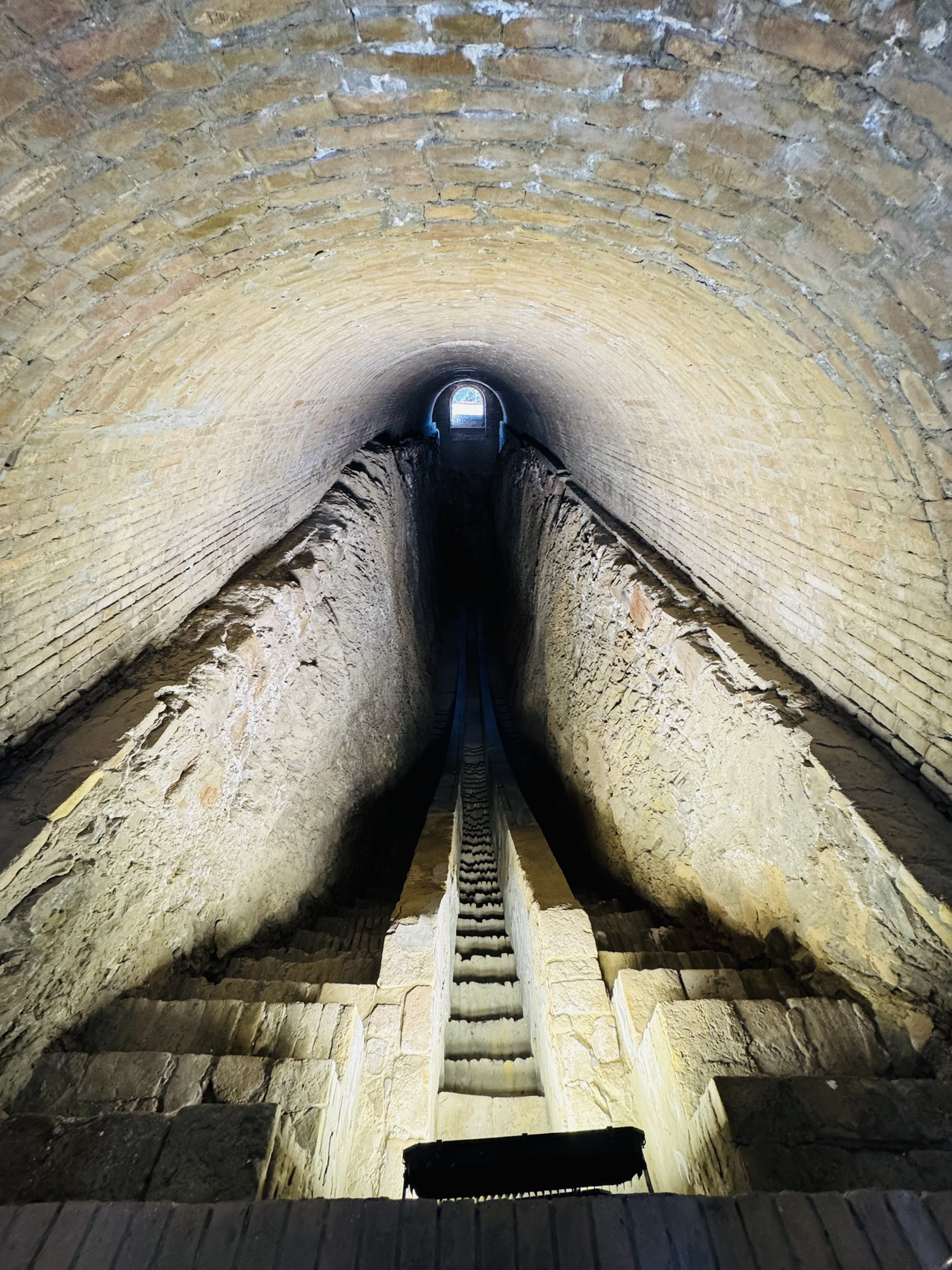
Mathematics and astronomy were taught there alongside religious studies. Ulugh Beg also built an observatory in Samarkand where astronomers made observations and compiled astronomical tables.
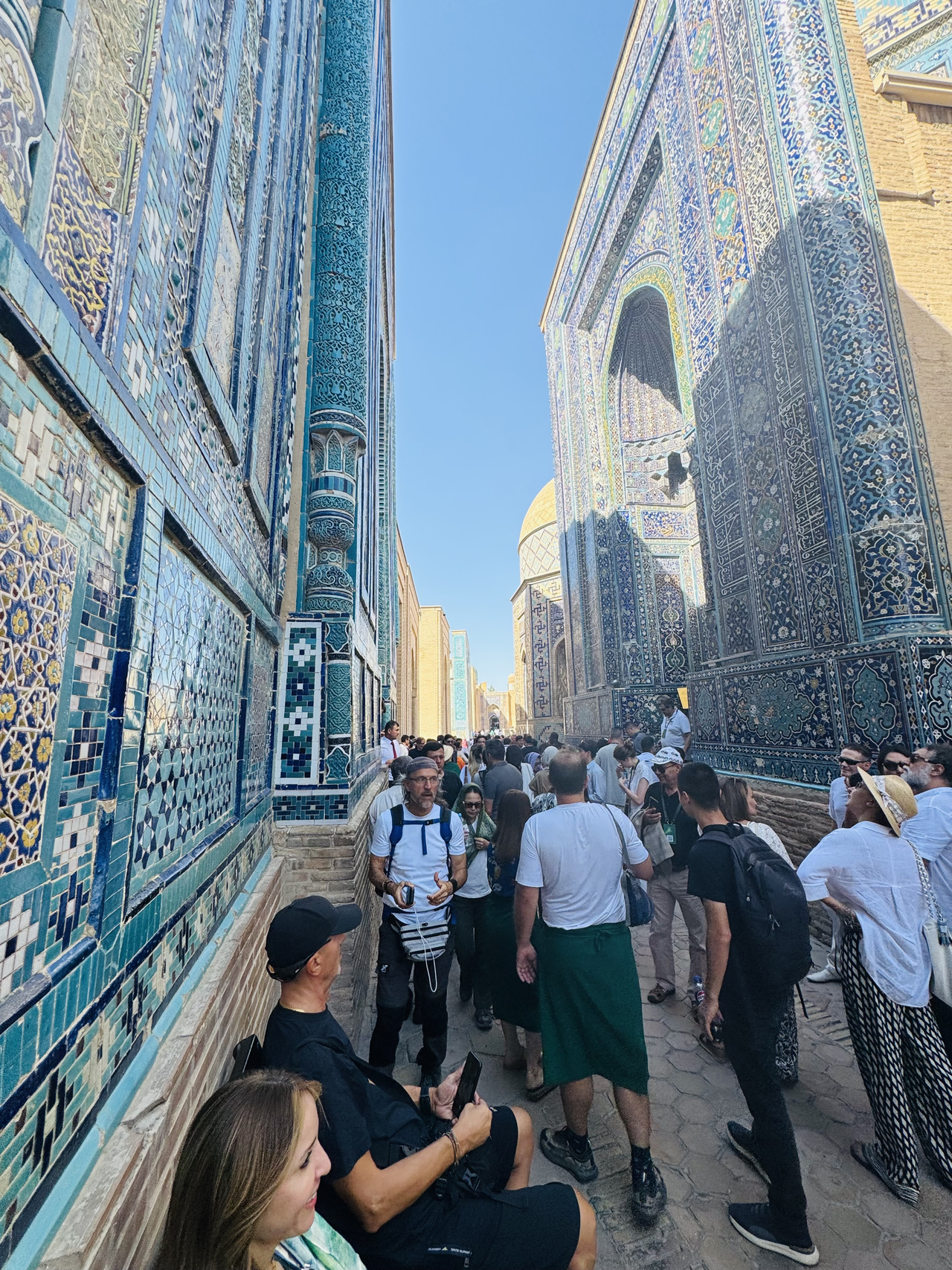
The Shah-i-Zinda funerary complex developed over centuries as a collection of mausoleums, many distinguished by elaborate tilework.
Near Samarkand, the Imam Bukhari complex commemorates the ninth-century scholar whose collection of hadith — accounts of the sayings and actions of the Prophet Muhammad — became one of the most authoritative texts in Sunni Islam.
Silk Road crossroads with diplomatic venue
Samarkand’s international role is taking a different form today.
Uzbekistan has increasingly used the city to host international summits, conferences and diplomatic meetings. Meanwhile, hotels, roads and other infrastructure have expanded as the government seeks to increase tourism and foreign investment.
Regional officials have identified food processing, electronics, manufacturing, construction materials and hospitality among sectors where they are seeking investment, including from South Korean companies.
The changes come as South Korea expands its engagement with Uzbekistan and other Central Asian countries.
Seoul and Tashkent cooperate in trade and investment as well as industry, energy, digital technology, health care and education.
The modern relationship is far removed from the world depicted on the walls of Afrasiab, but both are part of Samarkand’s long history as a junction between different regions.
The Silk Road was not a single route running from China to Europe.
It was a network of routes through which goods, people and ideas moved, often through a succession of merchants and intermediaries.
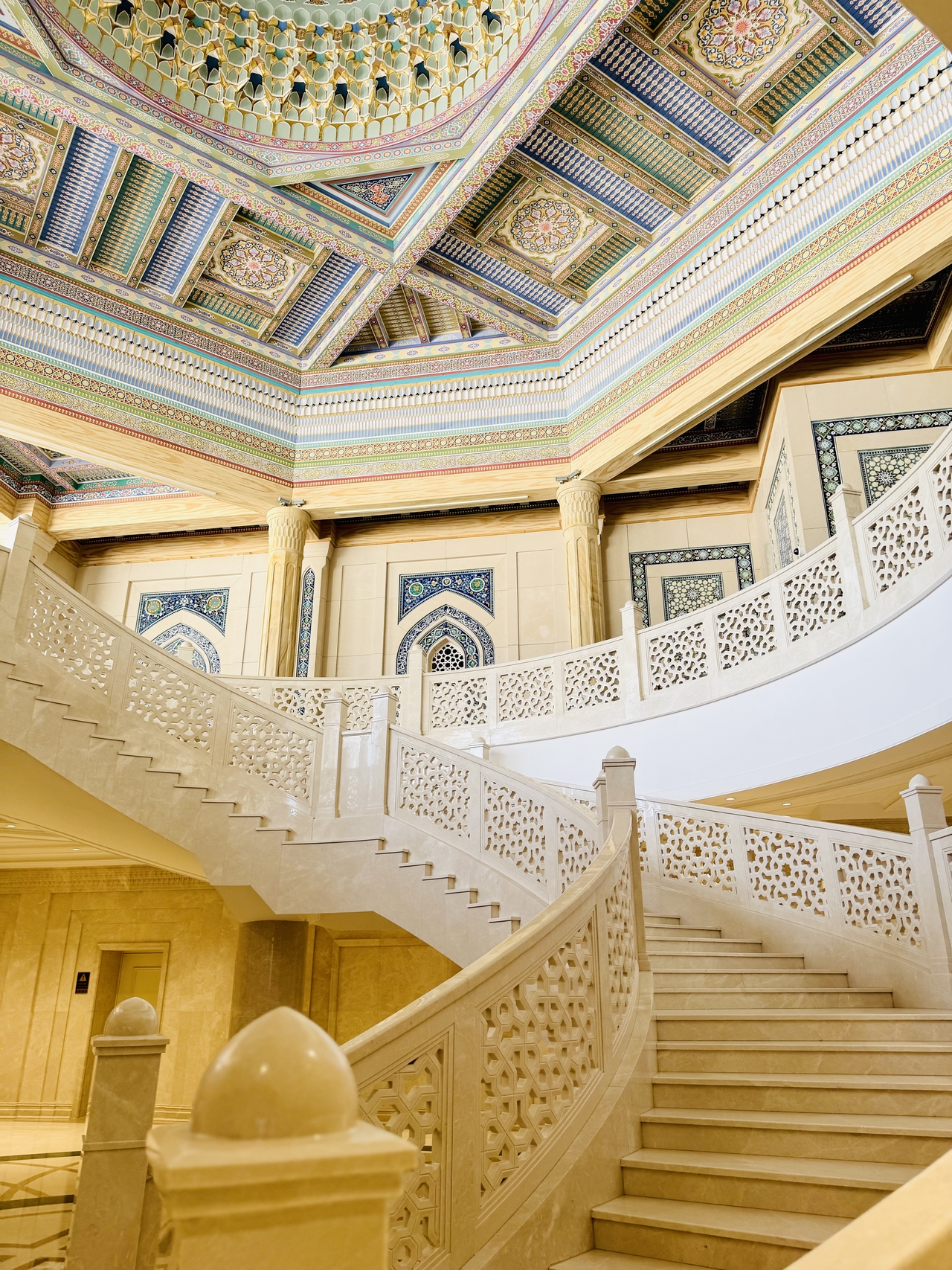
Samarkand was one of its important crossroads. The Korean Peninsula lay thousands of kilometers to the east but was connected to wider Eurasian trading networks.
Today, South Koreans travel to Samarkand as tourists, businesspeople, researchers and diplomats.
Whether people from Goguryeo made a similar journey more than 1,300 years ago remains uncertain. But archaeological and historical evidence shows that Central Asia and the Korean Peninsula were part of wider networks of exchange long before the establishment of modern diplomatic relations.