
 KB News Desk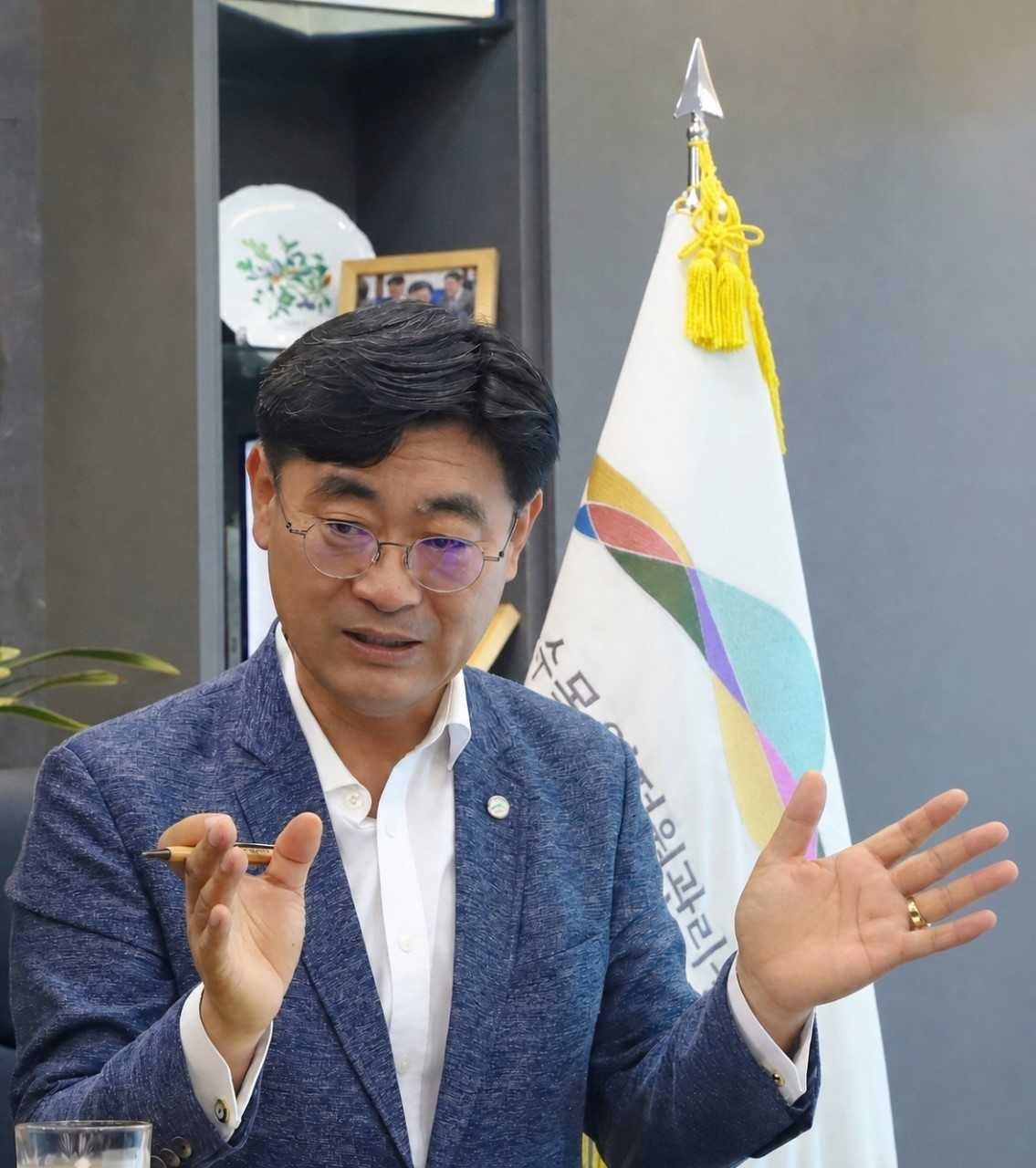
KoAGI President Shim Sang-taek outlines push to protect future food resources, support vulnerable island states and verify ecosystem recovery
As climate change accelerates the loss of plant species and threatens food security, South Korea is seeking a larger role in safeguarding the genetic resources that could help crops and ecosystems survive a hotter, less predictable world.
At the center of that effort is the Korea Arboreta and Gardens Institute, or KoAGI, which operates the Baekdudaegan Global Seed Vault and is expanding cooperation with international organizations, research institutes and governments.
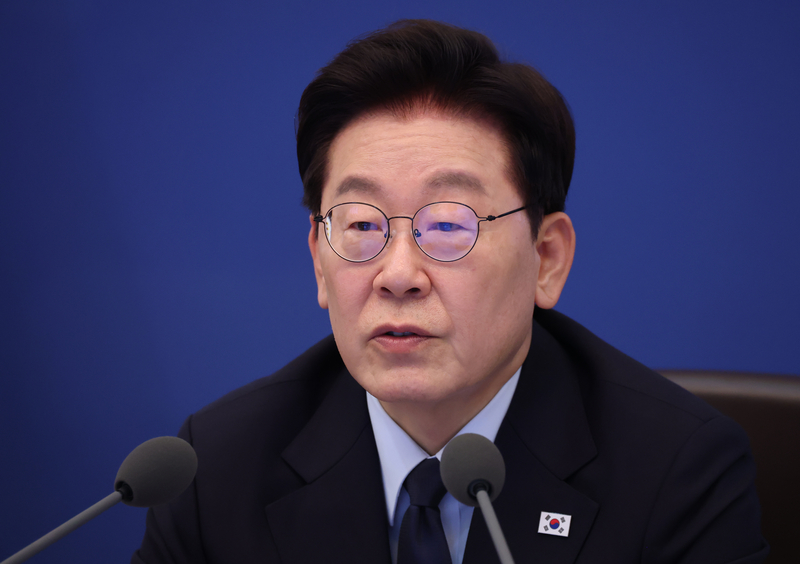
“The climate crisis and biodiversity loss are global challenges that no single country can solve alone,” KoAGI President Shim Sang-taek said in an interview with The Korea Herald. “International cooperation and joint action grounded in scientific evidence are more important than ever.”
Established in 2017 under the Korea Forest Service, KoAGI manages four national facilities: the Baekdudaegan National Arboretum, Sejong National Arboretum, National Botanic Garden of Korean Native Plants and Korean National Garden Culture Center.
Its work ranges from preserving native plants and storing seeds to restoring forest ecosystems and supporting the commercial use of plant genetic resources.
Shim said KoAGI aims to become a global hub for Korean arboretums and gardens, connecting nature with people while sharing Korea’s conservation technology and field experience internationally.
“The most important task is to build a foundation where research institutes and experts from different countries can work together to find solutions,” he said.
Wild plants as insurance for future food
One focus is the conservation of crop wild relatives, or CWRs — wild plants genetically related to cultivated crops.
Unlike modern crops bred primarily for yield and consistency, wild relatives may carry traits that allow them to withstand drought, salinity, disease or extreme temperatures. Those characteristics could become increasingly valuable as climate change alters growing conditions and exposes crops to new pests.
In 2022, KoAGI began compiling Korea’s first national list of CWRs. The inventory now covers 206 species, including wild relatives of blueberries and onions.
Working with a consortium of eight universities, the institute secures an average of 300 genetic-resource samples from around 30 species each year. It has also compiled more than 7,100 data points on characteristics such as drought tolerance, salt tolerance, disease resistance and potential antioxidant or anti-inflammatory properties.
The resources are preserved as seeds in seed banks and as living plants at an ex situ conservation site at the Baekdudaegan National Arboretum. KoAGI has also begun collecting CWRs from Central Asia.
The program extends beyond conservation. KoAGI has worked with small businesses to develop products using native plant resources, including shampoo bars made with wild soybean seed oil and wild garlic extract. Other projects have used Asian pear extracts in products targeting respiratory and digestive health.
Shim said the goal is to connect conservation, research and practical use while ensuring that genetic resources remain available for future generations.
That effort is also becoming regional. In July, KoAGI and the Asian Forest Cooperation Organization launched an Asian working group on CWR seed management and conservation.
Representatives from 13 Asian countries joined discussions with experts from organizations including the UN Food and Agriculture Organization, Botanic Gardens Conservation International and the International Union for Conservation of Nature.
The group plans to cooperate on seed collection, storage, joint research, technology exchange and professional training.
Building a global seed safety net
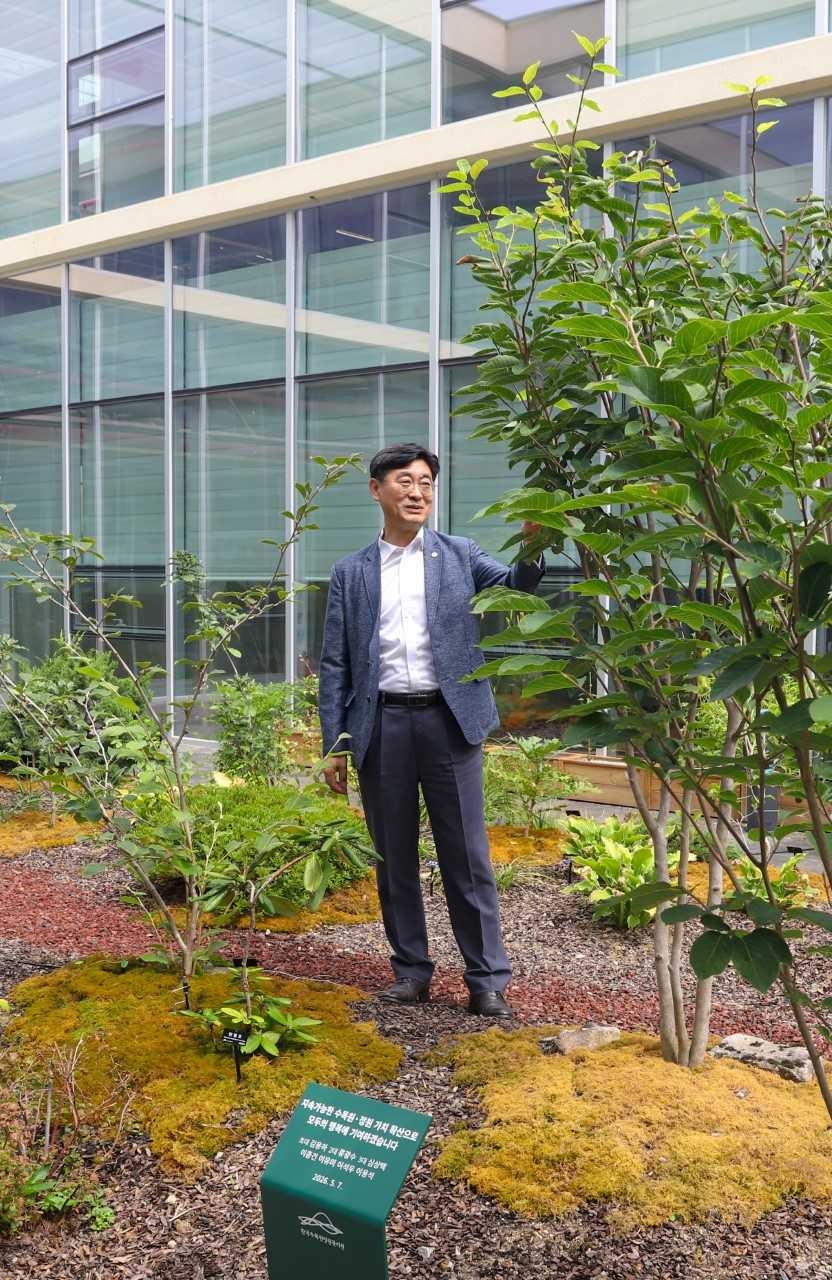
KoAGI is also expanding the international role of the Baekdudaegan Global Seed Vault in Bonghwa, North Gyeongsang Province.
The underground facility permanently stores wild plant seeds as insurance against natural disasters, environmental destruction and species extinction. It currently holds around 290,000 seed accessions, including approximately 131,000 from outside Korea.
KoAGI expanded the seed vault’s international network from 38 participating institutions to 58 through partnerships with BGCI and a pilot conservation project involving small island developing states.
Small island nations are particularly vulnerable to rising sea levels, extreme weather and habitat loss, but many lack the facilities and expertise needed for long-term seed conservation.
Under the “Island Seeds, Global Legacy” initiative, KoAGI provides participating institutions with training, equipment and operating support for collecting and storing wild plant seeds.
Collected seeds are divided between the originating country’s seed bank and the Baekdudaegan vault, reducing the risk that a single disaster could destroy the genetic resources.
Shim emphasized that participating countries retain sovereign rights over deposited seeds. The program uses material transfer agreements and other arrangements designed to comply with the Nagoya Protocol and international biosafety rules.
“The seed vault is not simply a storage facility,” Shim said. “It is an international cooperation platform for protecting future biodiversity.”
The initiative gained international backing at the IUCN World Conservation Congress in Abu Dhabi in October last year. A resolution supporting seed-vault-based conservation of wild plants in small island developing states won approval from 790 of the 825 member organizations that voted.
From planting trees to proving recovery
KoAGI is also seeking to change how forest restoration projects are evaluated.
Traditional programs have often measured success through the number of trees planted or the area covered. Shim said the more important question is whether ecosystems and biodiversity have actually recovered.
KoAGI was recently registered as Korea’s certification hub for the Global Biodiversity Standard, an international framework developed by BGCI and other biodiversity organizations.
The standard evaluates whether restoration projects have produced measurable improvements in vegetation, habitats and species diversity. Its criteria include prioritizing native species, protecting existing habitats, preventing invasive species and cooperating with local communities.
As the Korean certification center, KoAGI plans to assess domestic restoration projects, train professional evaluators and provide consulting based on international standards.
Shim said independent, science-based verification is becoming more important as governments and companies increase spending on nature-based solutions and make broader environmental claims.
“Conservation is no longer just about how much has been planted, but how much has genuinely recovered,” he said. “An objective assessment system is necessary to demonstrate real results and prevent greenwashing.”
KoAGI also operates SeedPedia, a public database created through an 8.15 billion won ($5.9 million), five-year project that began in 2021. The platform provides more than 40,000 records covering 2,273 native plant species, including collection data, images, storage characteristics, morphology and genetic information.
Shim said KoAGI will continue expanding partnerships with governments, international organizations, research institutes and private companies, while connecting Korea’s conservation expertise with global restoration efforts.
“Our role is not limited to preserving biodiversity,” he said. “We must also scientifically verify whether conservation and restoration efforts are working. By doing so, we can improve the credibility of nature-based projects in Korea and contribute more broadly to global biodiversity protection.”