
 KB News Desk
Record chip profits mask mounting smartphone losses, with no easy relief in sight for Galaxy
“We will not pass the full (cost) increase on to consumers,” Samsung Electronics co-CEO Roh Tae-moon told reporters in London in July as he unveiled the latest Galaxy foldables.
Two weeks later, the Z8 series drew a record 1.44 million preorders in Korea. But by October, Samsung was raising prices on seven-month old Galaxy S26 phones by nearly 150,000 won ($112) in Korea and $100 to $200 in the US.
Then came Thursday’s earnings. Samsung projected record third-quarter operating profit of 107.4 trillion won, largely thanks to surging memory chip sales. Brokerages, meanwhile, estimate its mobile and networks businesses lost between 900 billion won and 1.9 trillion won. Samsung has not released divisional results yet.
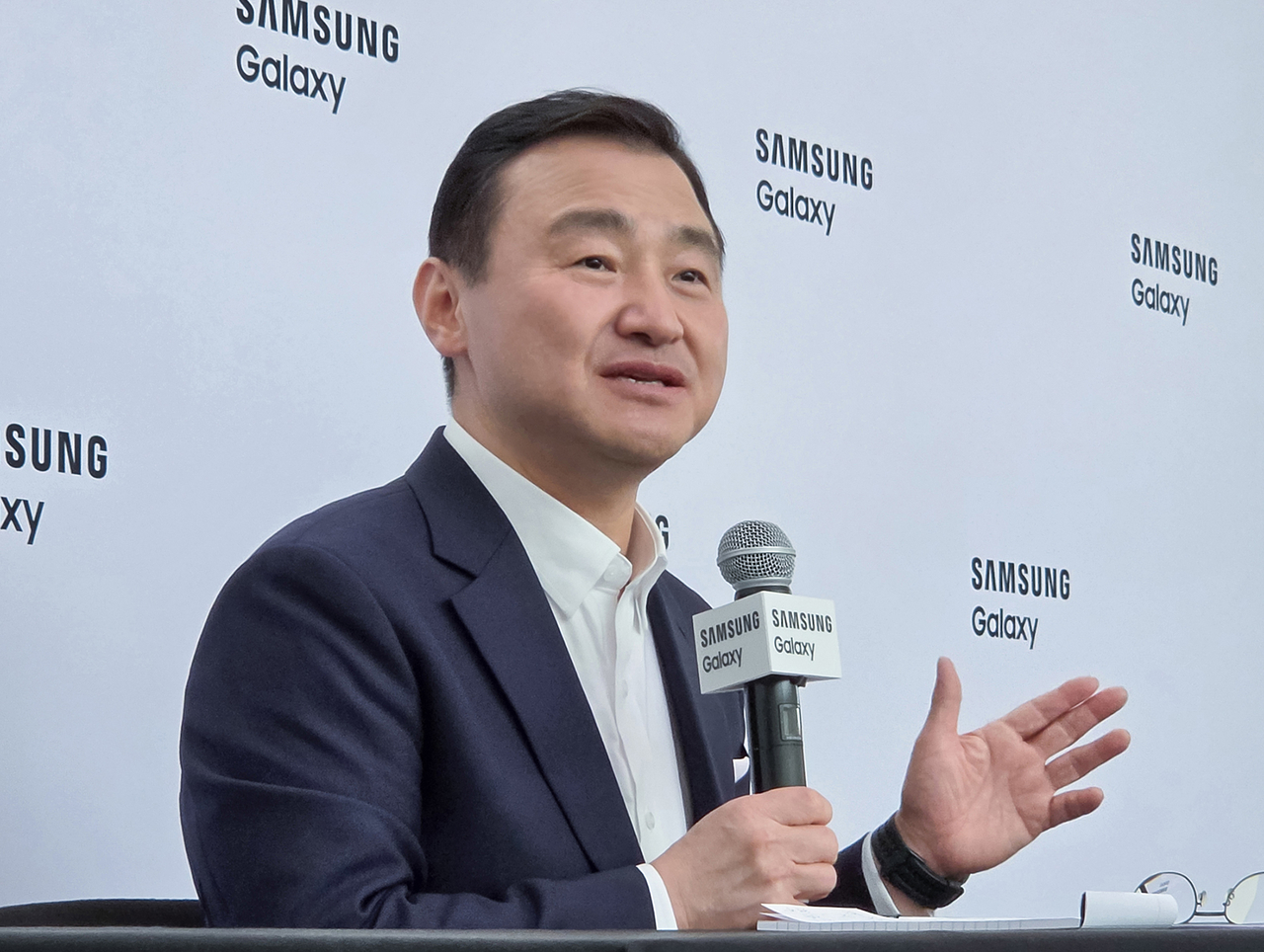
To be fair, Roh never promised a price freeze. But with memory shortages expected to persist into 2027, when can Galaxy return to profit without pushing prices still higher?
Sales hold up, profits do not
Samsung’s mobile and networks businesses had already posted a 700 billion won operating loss in the second quarter. Analysts expect a deeper deficit in the third, despite record domestic preorders for the new Galaxy Z8 foldables.
The problem appears to be profitability rather than a collapse in sales. Daishin Securities estimates that Samsung’s third-quarter smartphone shipments were little changed from a year earlier, while average selling prices rose nearly 3 percent. But higher handset prices have not kept pace with surging component costs.
“Samsung has focused on expanding market share by limiting price increases despite soaring memory costs,” Eugene Investment & Securities analyst Son In-jun said in a recent assessment. He expected stronger-than-anticipated sales, helped by the new foldables, but warned that Samsung’s inability to pass on the full increase in component costs would deepen its third-quarter losses.
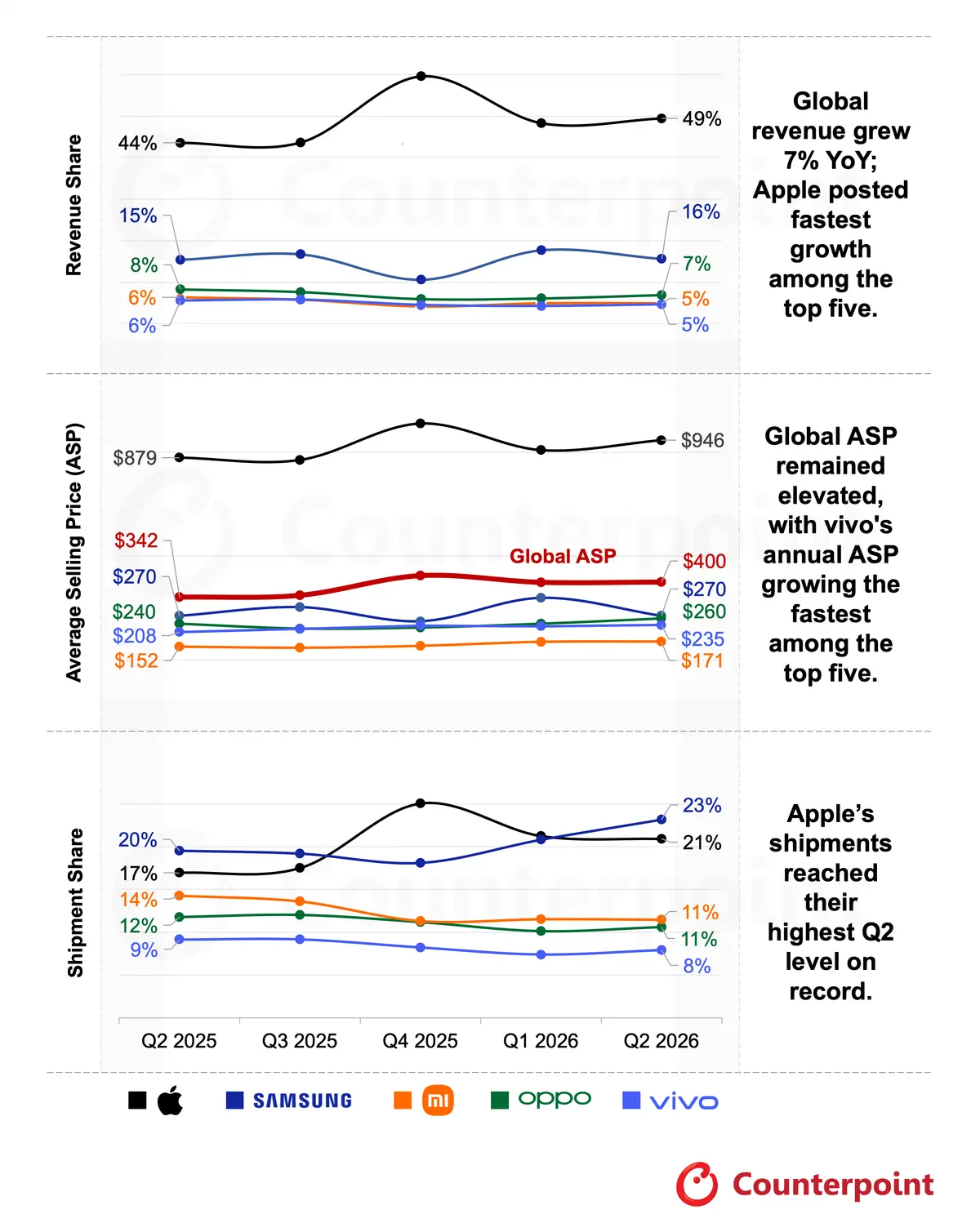
Samsung’s reliance on lower-priced phones makes the pressure harder to manage. The latest available figures from Counterpoint Research, covering the second quarter, show that Samsung shipped more smartphones than Apple but captured just 16 percent of global smartphone revenue, compared with Apple’s 49 percent.
“For Samsung, which relies on low- and mid-priced models to defend shipment volumes and market share, persistently high memory prices are bound to weigh on profitability,” Kim Rok-ho, a semiconductor analyst at Hana Securities, told The Korea Herald.
The cost pressure extends to expensive phones. Counterpoint Research estimates that memory’s share of a representative premium smartphone’s component costs reached 43 percent in the third quarter, up from 14 percent a year earlier. The figures are industry estimates, not Samsung’s actual Galaxy manufacturing costs.
Why Samsung’s own chips offer no escape
The price surge traces back to AI data centers. Memory manufacturers are prioritizing lucrative high-bandwidth memory and conventional server DRAM, leaving less room to expand production for smartphones.
“AI data centers need not just HBM but large amounts of ordinary server DRAM,” Kim said. “Manufacturers have strong reasons to direct production capacity toward those products.”
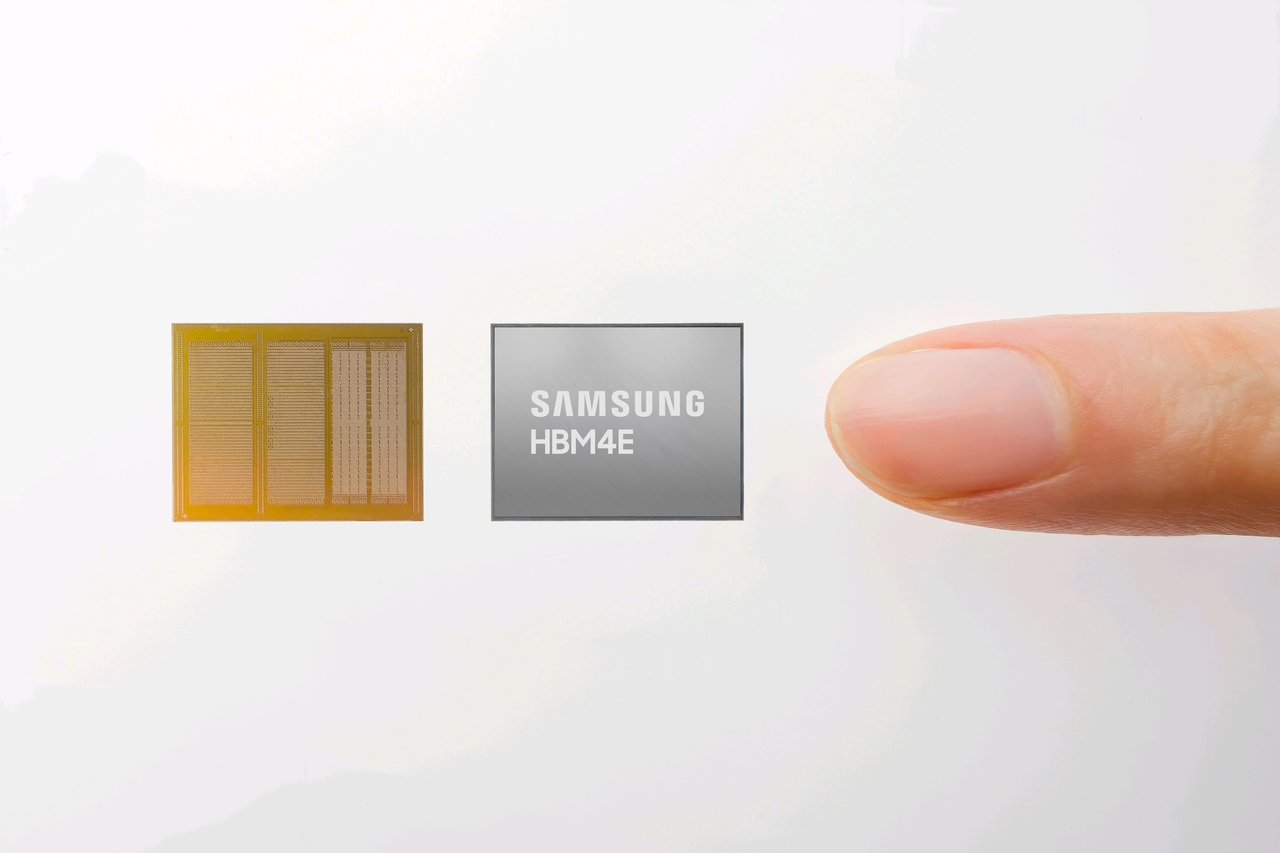
TrendForce expects DRAM supplies to remain constrained into 2027. That matters even for Samsung, one of the world’s biggest memory producers.
“Making memory yourself and obtaining it cheaply are two different things,” Kim said. Offering Galaxy a discount could mean sacrificing higher-priced sales to outside customers, he said.
A local smartphone industry official told The Korea Herald that Samsung’s mobile division had, to their knowledge, requested favorable prices from its semiconductor arm. Special terms were difficult, the official said, because of fairness to external customers and internal accounting considerations. The account could not be independently confirmed.
A Samsung representative said Galaxy sources memory from multiple semiconductor makers and described rising prices as an industrywide problem.
Galaxy S27 may bring a brief return to profit
Samsung’s price increases for the Galaxy S26 lineup earlier this month suggest it has less room to absorb the cost shock. But raising prices on an existing phone, when consumers would normally expect discounts, also risks driving away buyers.
Counterpoint Research Director Tarun Pathak said consumers were already “delaying upgrades, pushing purchases around big sales events or turning to the pre-owned market” as smartphone prices climbed.
Next year’s Galaxy S27 could give Samsung a better opportunity to recover those costs. Unlike an existing model, the new flagship can be priced and configured from the outset with more expensive memory in mind, according to analyst Kim. That could help Galaxy return to profit even before memory prices ease, provided higher prices do not significantly dent demand.
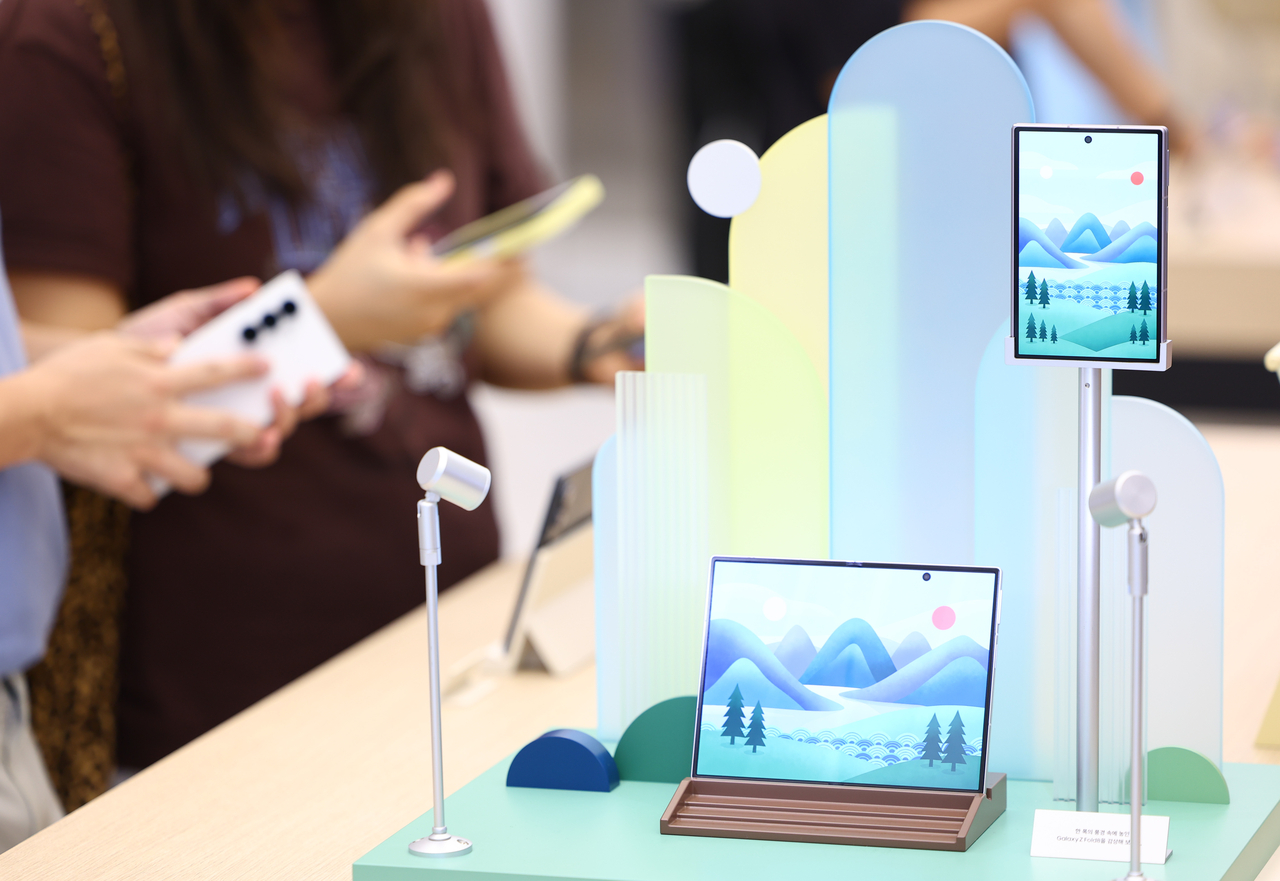
Meritz Securities forecasts around 1 trillion won in operating profit for Samsung’s mobile and networks businesses in the first quarter of 2027, supported by seasonal demand and new product launches. But the brokerage expects losses of 600 billion won to 900 billion won in each of the following three quarters.
Early sales tend to favor higher-priced models, while subsequent quarters bring greater pressure from discounts, marketing costs and slower demand.
Even higher retail prices may not fully offset the squeeze. Counterpoint senior analyst Shenghao Bai has warned that flagship gross margins could remain below those of comparable 2025 models despite price increases.
“The important thing isn’t whether Galaxy returns to profit with the S27 in the first quarter next year,” Kim said. “It’s whether Samsung can stay profitable in the second and third quarters, after the new-product effect fades.”