
 KB News Desk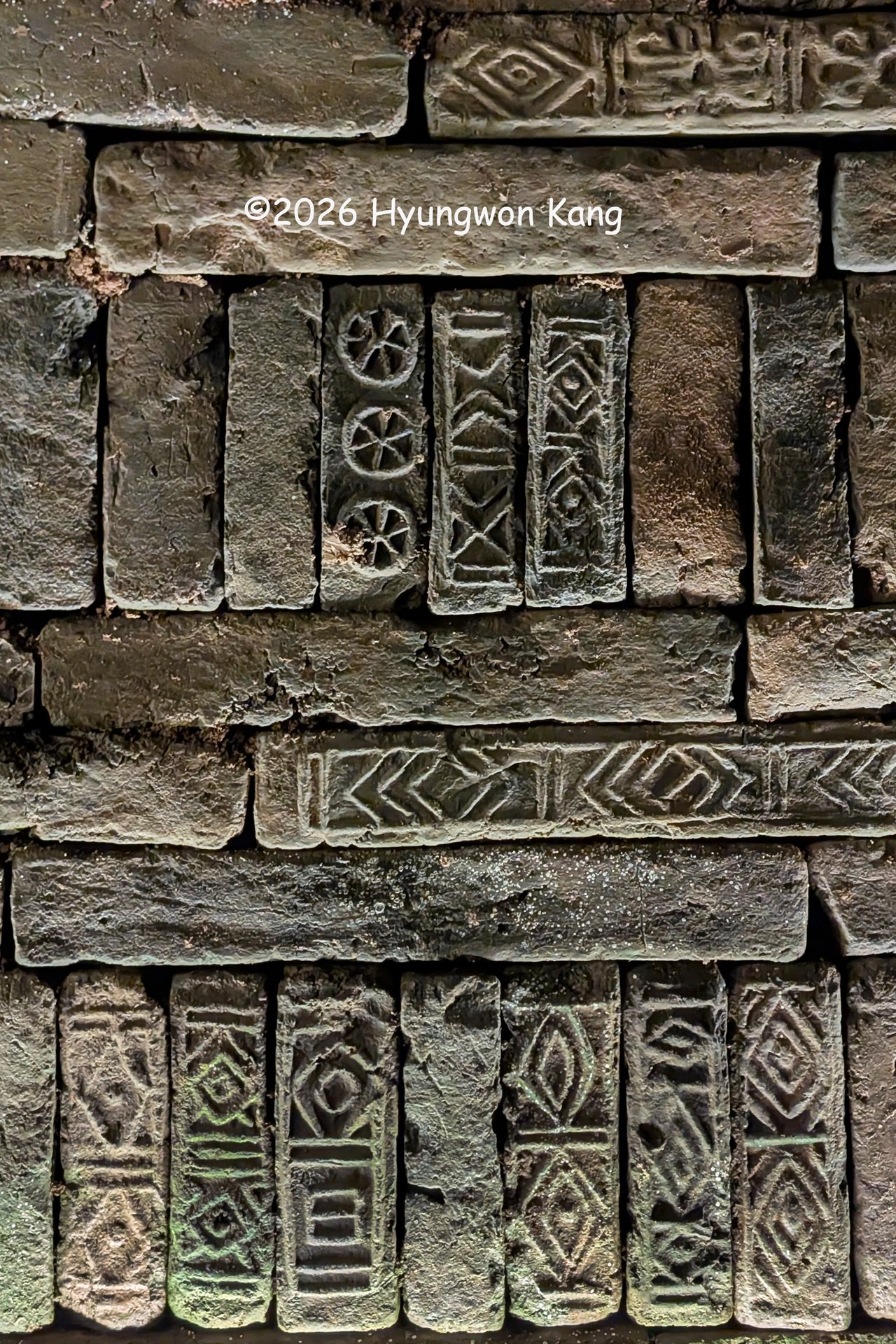
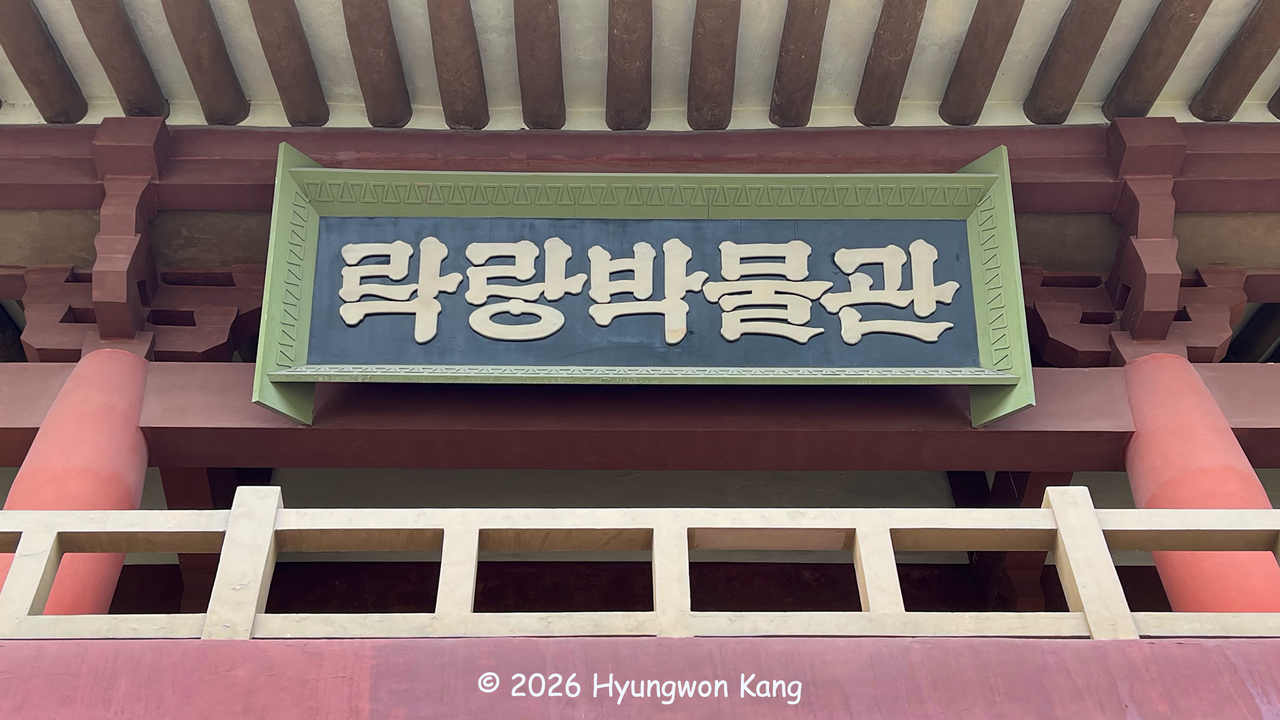
During the COVID-19 pandemic, when the Democratic People’s Republic of Korea, as North Korea is officially known, maintained one of the world’s strictest border closures, the Rangnang Museum opened in Pyongyang on Sept. 28, 2022.
Dedicated to Rangnangguk, or the Rangnang Kingdom, the museum presents North Korea’s interpretation of one of the most contested chapters in early Korean history.
North Korean historians identify the Rangnang Kingdom recorded in the Samguk Sagi as an indigenous kingdom that existed in northern Korea, distinct from the Rangnang Commandery, an administrative unit established by China’s Han dynasty also known as the Lelang Commandery.
According to the Samguk Sagi, Rangnangguk was incorporated into Goguryeo — spelled Koguryo in North Korea — in the year 32. Its fall survives in the story of Prince Hodong of Goguryeo and the Princess of Rangnang.
War, marriage and espionage
I was among the first outsiders permitted to examine the exhibits at the two-story Rangnangguk Museum in Pyongyang’s Rangnang district. The museum presents Rangnangguk as a state rooted in the late Gojoseon culture that shaped the Pyongyang region from before the third century BC to the early fourth century AD.
The story of Prince Hodong and the Princess of Rangnang is often remembered as a tragic romance. In the Samguk Sagi, however, it is a story of war, political marriage and espionage.
Prince Hodong, a son of Goguryeo’s King Daemusin, married the daughter of Rangnang’s ruler and then ordered her to destroy the Jamyonggo and Jamyonggak, the drum and horn, respectively, used to warn of an approaching enemy. She disabled them, leaving Rangnang unable to sound the alarm as Goguryeo advanced. When her father discovered what she had done, he killed her and surrendered the kingdom.
The account is less a romance than a story of strategic marriage used to penetrate a rival state’s defenses. Throughout Korean history, marriage was often employed to maintain peace — or to undermine a competing political power.
What tombs reveal
Burial grounds often preserve what cities and settlements do not. Thousands of ancient tombs have been identified south of the Taedong River in Pyongyang, including wooden-coffin, timber-chamber and brick-chamber tombs.
One artifact inside the museum particularly caught my attention: a 120-centimeter-long jar coffin, or “onggwanmyo,” possibly used for the burial of a child. Its form appeared nearly identical to jar coffins I had seen at the Naju National Museum in South Jeolla Province.
The Naju museum documents the distinctive indigenous Mahan jar-coffin tradition of the Yeongsan River basin in southwestern Korea, where such tombs were constructed mainly from the late third century through the first half of the seventh century. The resemblance suggested that related burial practices may have extended across distant regions of the Korean Peninsula.
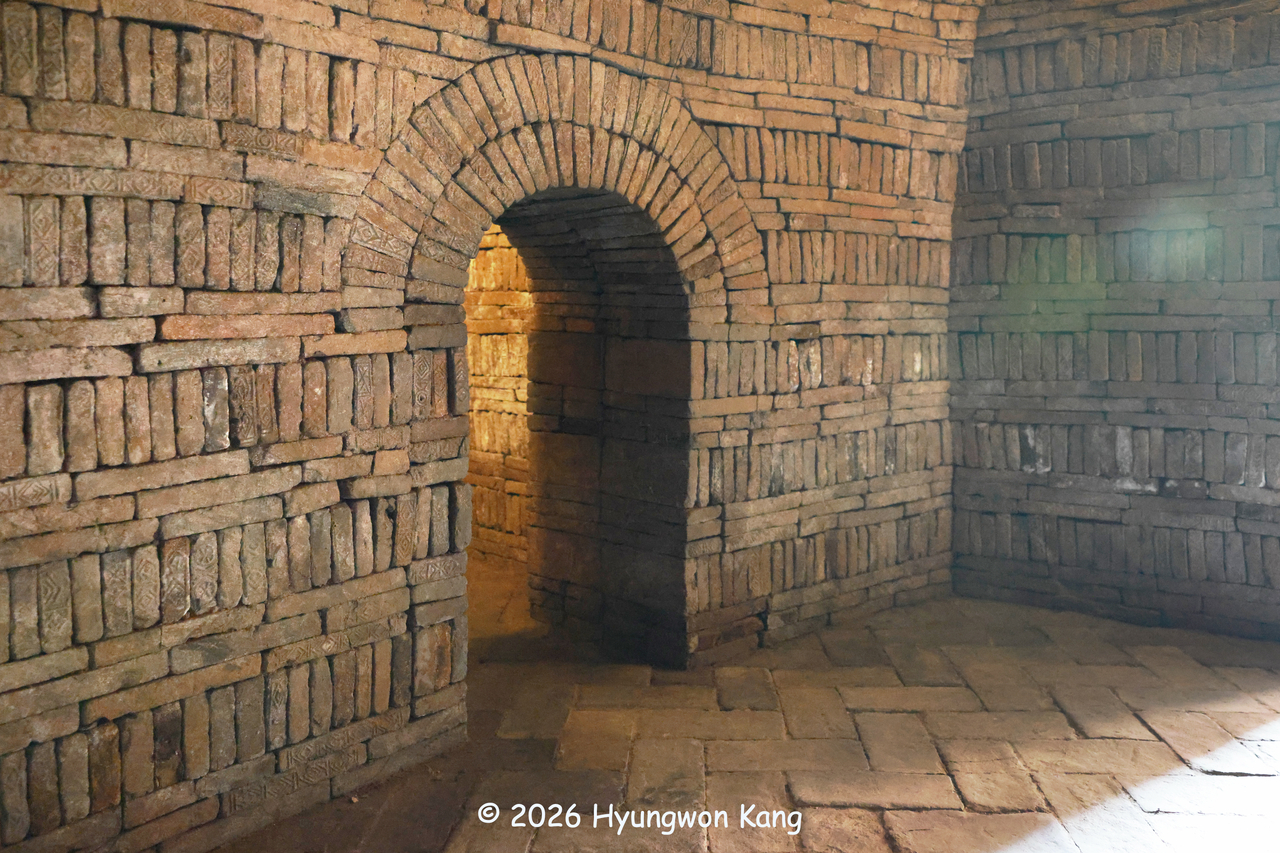
After examining the museum’s collection of excavated artifacts, I was drawn to the outdoor archaeological display. Representative tombs selected for their scholarly value had been reconstructed at full scale according to the forms and dimensions revealed through excavation.
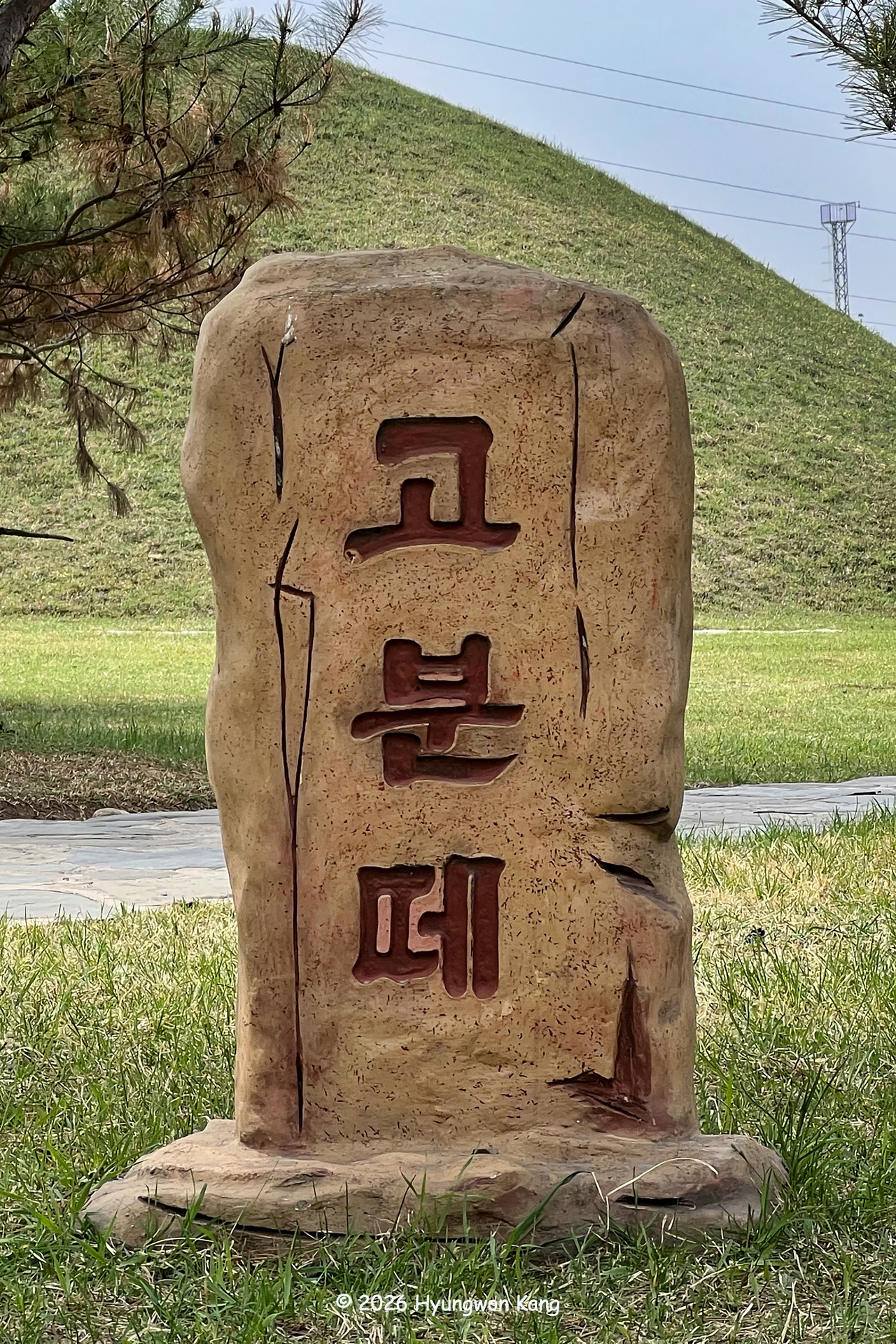
Visitors could enter them and examine burial structures associated with the Rangnang period.
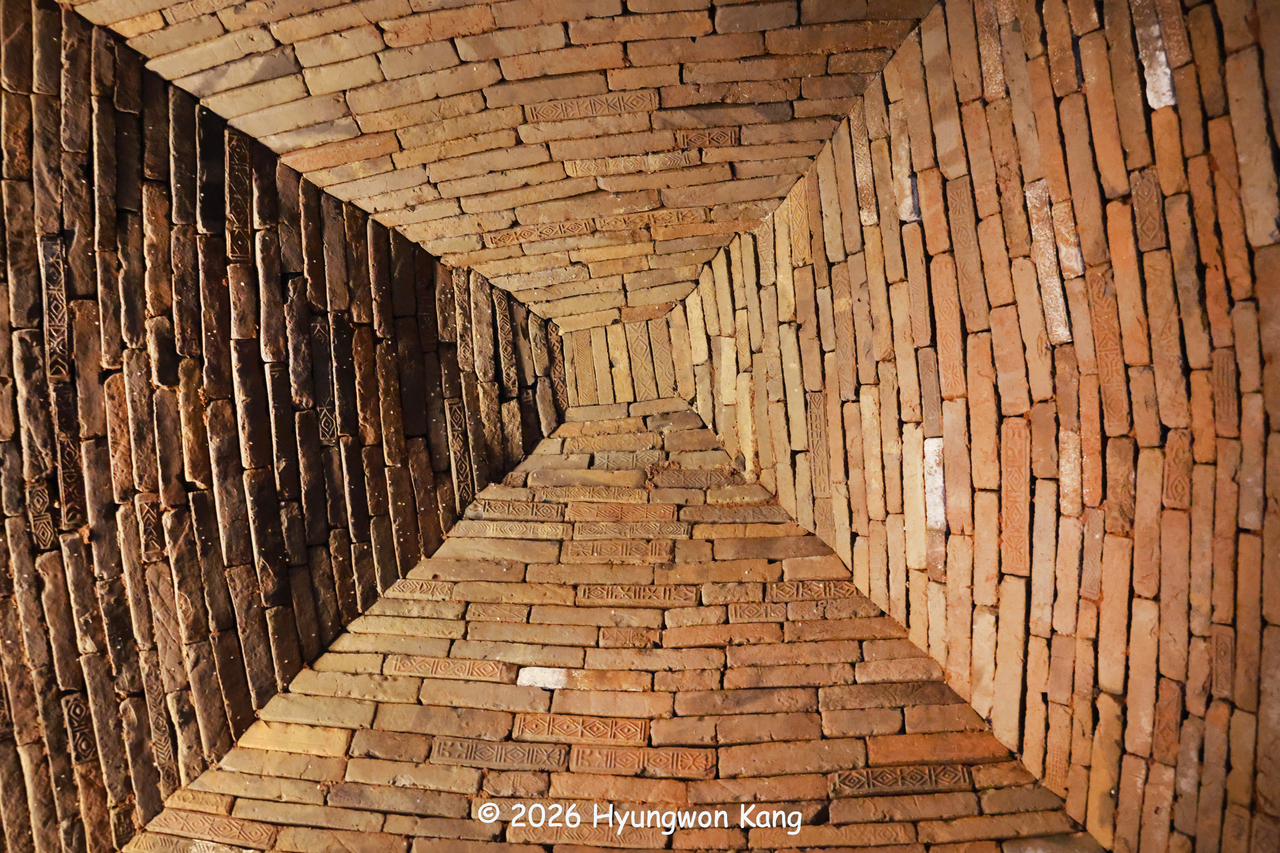
The reconstructed brick chambers displayed a distinctive pattern: three horizontal rows of flat bricks alternating with one vertical row. Many bricks carried geometric and symbolic designs reminiscent of Korean petroglyphs and traditional decorative patterns found in “munchangsal,” wooden window latticework, and “dduksal,” carved wooden presses used to decorate rice cakes.
West Sea as an ancient highway
Rangnang’s third-century brick-chamber tombs represent an earlier stage of a burial tradition later developed in the Baekje Kingdom. Centuries afterward, Baekje used related techniques to construct elaborate tunnel-shaped royal tombs, including the Tomb of Emperor Muryong, who was buried in 525.
Their geography is significant. The rice-producing plains around Pyongyang and southwestern Korea both face the West Sea, a maritime highway that carried people, goods, building techniques and cultural traditions along its shores.
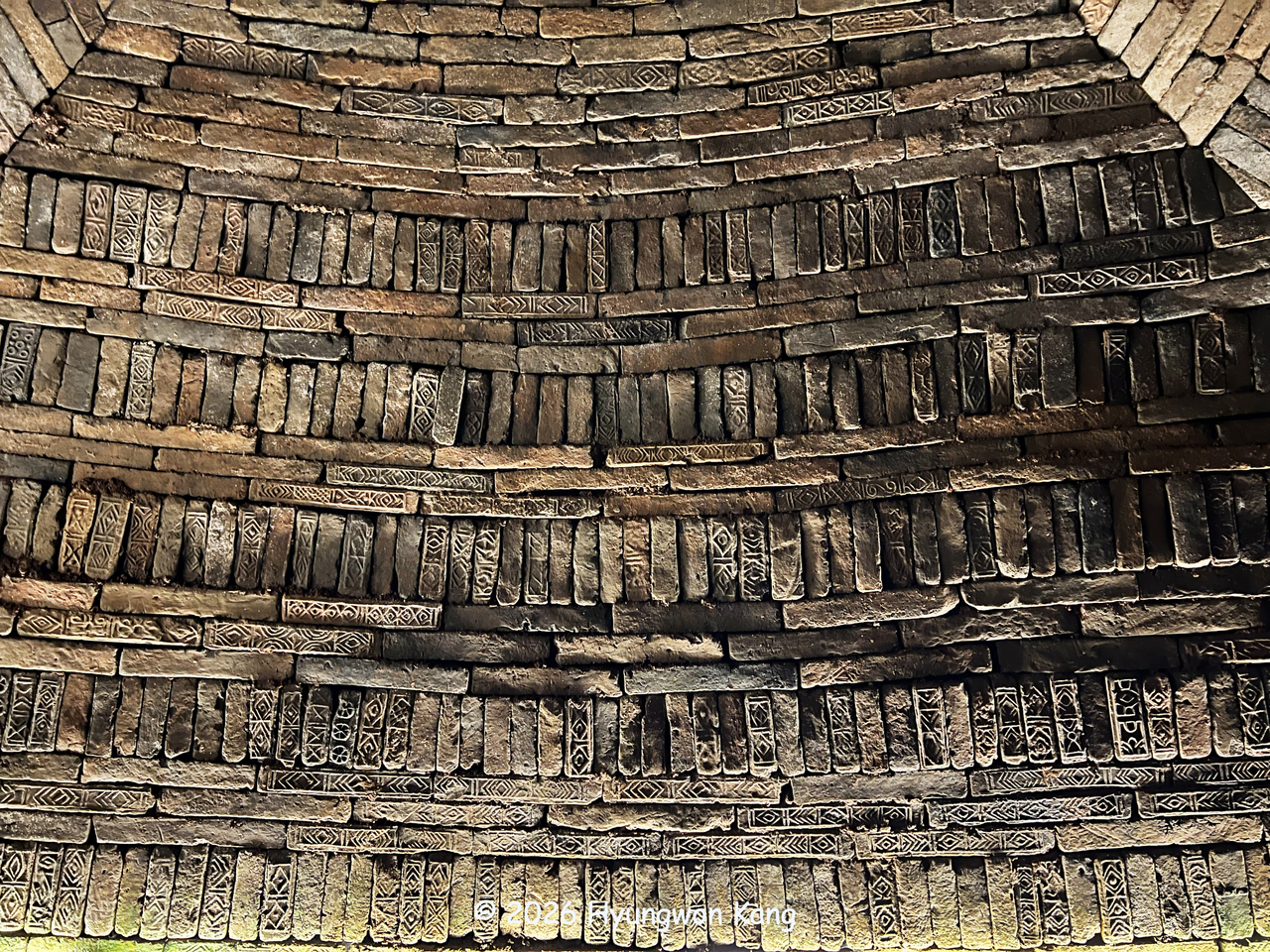
Baekje, a powerful naval empire, controlled routes linking the Korean Peninsula with the Japanese archipelago and the Southern Dynasties in the Middle Kingdom region of East Asia. The presence of related brick-chamber tombs in Rangnang, Baekje and the Southern Dynasties suggests that this burial technology developed through a wider maritime network rather than in isolation.
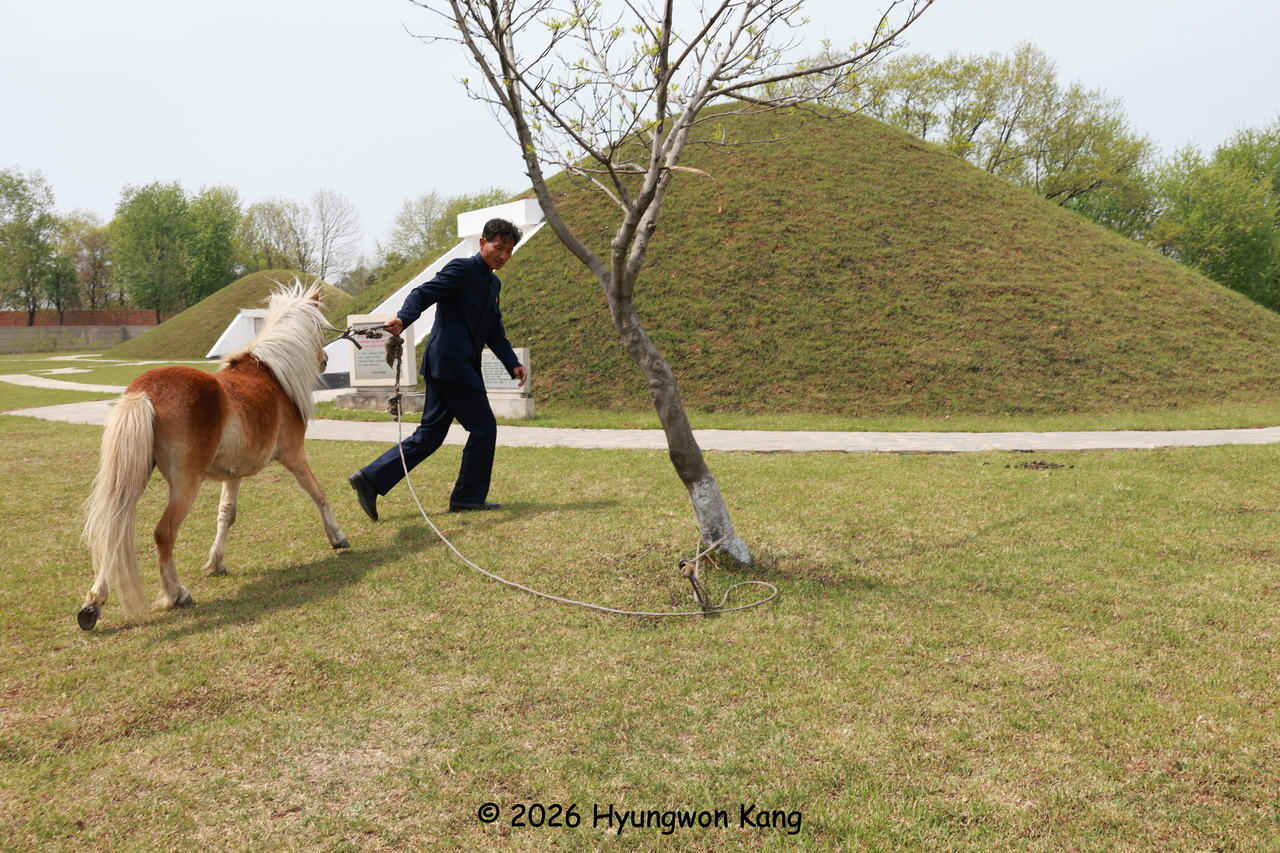
Another memorable sight awaited outside. Small horses were tethered on long leashes to movable metal poles across the broad, grass-covered tomb complex. There was not a lawn mower in sight. Once each horse finished grazing a circle of grass, its pole could be moved to a fresh patch.
The horses were, in effect, the museum’s lawn mowers — economical, environmentally friendly and highly photogenic.

By Hyungwon Kang
Hyungwon Kang is a Korean American photojournalist, columnist, author and two-time Pulitzer Prize winner. He reported on North Korea in 1995, 1997 and 2026. Kang is the author of “Visual History of Korea” and “Seonbi Country Korea, Seeking Sagehood.” His ongoing Visual History of Korea project documents Korean history and culture across all of Korea for global audiences.
The views expressed in this article are the writer’s own. — Ed.