
 KB News Desk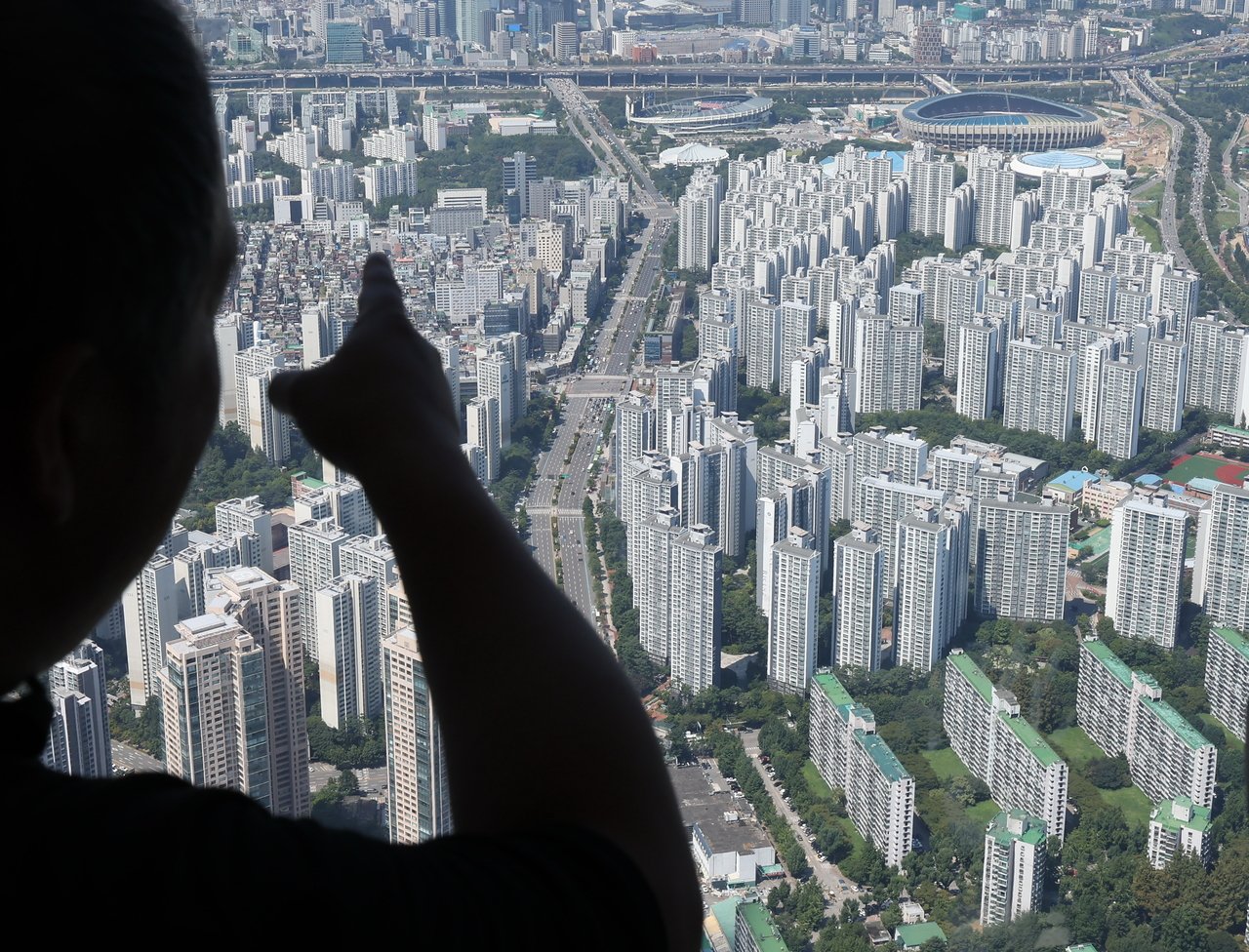
South Korea will extend by one year a rule requiring foreign nationals to obtain government approval before buying homes in Seoul and much of the surrounding capital region, as authorities seek to curb speculative purchases and rising housing prices.
The Ministry of Land, Infrastructure and Transport said Thursday that foreign-buyer land transaction permit zones, first designated last August, will remain in effect from Aug. 26 through Aug. 25, 2027.
The restrictions cover all of Seoul and 23 cities and counties in Gyeonggi Province. Areas including Yangju, Icheon, Uijeongbu, Dongducheon, Yangpyeong, Yeoju, Gapyeong and Yeoncheon are excluded because their housing markets have remained relatively subdued.
They restrictions also cover nine districts in Incheon — Michuhol, Yeonsu, Namdong, Bupyeong, Gyeyang, Seohae, Geomdan, Yeongjong and Jemulpo — although the former Dong-gu area within Jemulpo is excluded.
The rule applies to most types of housing, including apartments, detached houses and multifamily homes. Foreign buyers must obtain approval before completing a purchase and disclose information including their funding source, visa status and intended use of the property.
Those who receive approval are generally required to move into the home within four months and live there for at least two years.
The government introduced the restrictions last year amid concerns that some foreign buyers could use financing from overseas to avoid Korea’s mortgage restrictions and purchase homes for investment rather than residence.
Following the introduction of the restrictions, 4,397 housing transactions by foreign nationals were recorded in the capital region from September through June, down 27 percent from the same period a year earlier.
Transactions fell 37 percent in Seoul, 23 percent in Gyeonggi Province and 29 percent in Incheon. Purchases by Chinese nationals declined 24 percent, while those by US nationals fell 40 percent.
Chinese nationals accounted for 72 percent of foreign home purchases in the region during the period, followed by US nationals at 13 percent.
“Through the extension of the land transaction permit zones for foreign buyers, we will prevent speculative housing investment by foreign nationals in the capital region while closely monitoring the designated areas,” a ministry official said.
“If suspected illegal activities, including abnormal transactions or speculative purchases, are identified, we will take strict action in cooperation with the relevant agencies.”