
 KB News Desk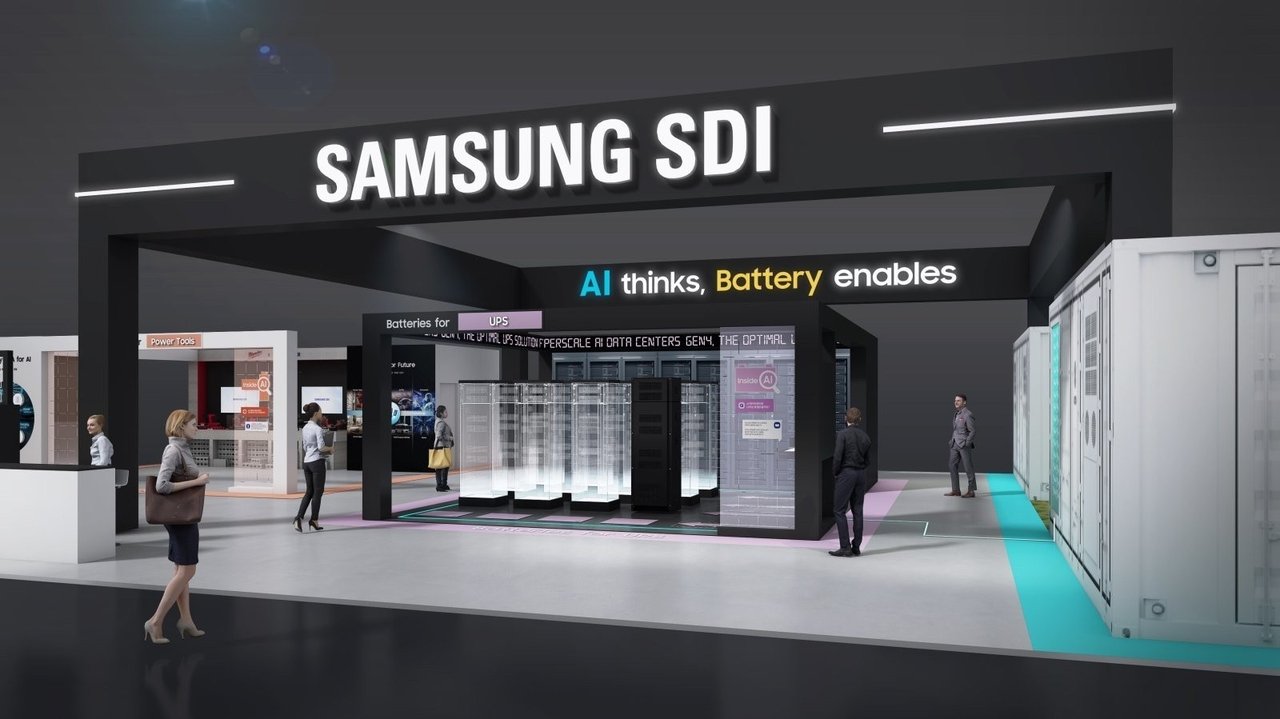
Samsung SDI reported an operating profit for the second quarter, its first in seven quarters, and the figure far exceeded market expectations.
Operating profit was 203.8 billion won ($141.6 million), the company said Thursday. Analysts polled by Yonhap Infomax had projected an operating loss of 14.8 billion won. A year earlier, Samsung SDI lost 397.8 billion won at the operating level.
Revenue reached 3.77 trillion won, up 18.5 percent, and net profit came to 471.6 billion won.
As the second-largest of Korea’s three battery makers by revenue, behind LG Energy Solution, Samsung SDI supplies prismatic cells to European carmakers including BMW and Audi. It lost 1.72 trillion won last year, its first annual loss above 1 trillion won, as EV demand stalled across the industry.
In April, it said profit would not return until the second half. First-half operating profit now stands at 48.2 billion won.
“We had expected the turnaround in the second half, but revenue growth and profitability improved faster than anticipated,” the company said.
Samsung SDI credited sales of higher-margin products, tax credits under the US Advanced Manufacturing Production Credit, and tariff refunds. The credit, created by the 2022 Inflation Reduction Act, pays cell makers for batteries built on American soil, and the company’s US output is rising through its Indiana joint venture with Stellantis.
It gave no breakdown of the three. Shinyoung Securities had put the quarter’s AMPC benefit near 97.7 billion won, and the refunds close to 100 billion won. Those two estimates together nearly cover the entire operating profit. Net profit also ran 267.8 billion won above operating profit, and the company did not say why.
The battery division, where the losses had sat, made 159.3 billion won on revenue of 3.52 trillion won. Sales rose for high-output cells used in uninterruptible power supplies and server backup units, which data center operators buy to keep racks running through outages, and in power tools. European EV shipments picked up.
Electronic materials earned 44.5 billion won on 249.8 billion won in revenue, a far wider margin than batteries, on film for foldable phones.