

 KB News Desk
Visual History of Korea
KAESONG — Finding the Pungsan-gae in North Korea was far more difficult than I had imagined.
During my first reporting trip to North Korea in 1995, I asked nearly everyone I met where I could find the country’s famous hunting dog. Eventually, my government guides took me to the Pyongyang Central Zoo, where several Pungsan dogs were exhibited alongside imported breeds such as German shepherds and Labrador retrievers.
The Pungsan-gae immediately stood out. Larger and more powerfully built than their southern cousins, the Jindo, they have broad skulls, heavy bones and an unmistakable confidence. Bred for centuries in the rugged mountains of northern Korea, they embody the endurance and fearlessness for which they have long been celebrated.
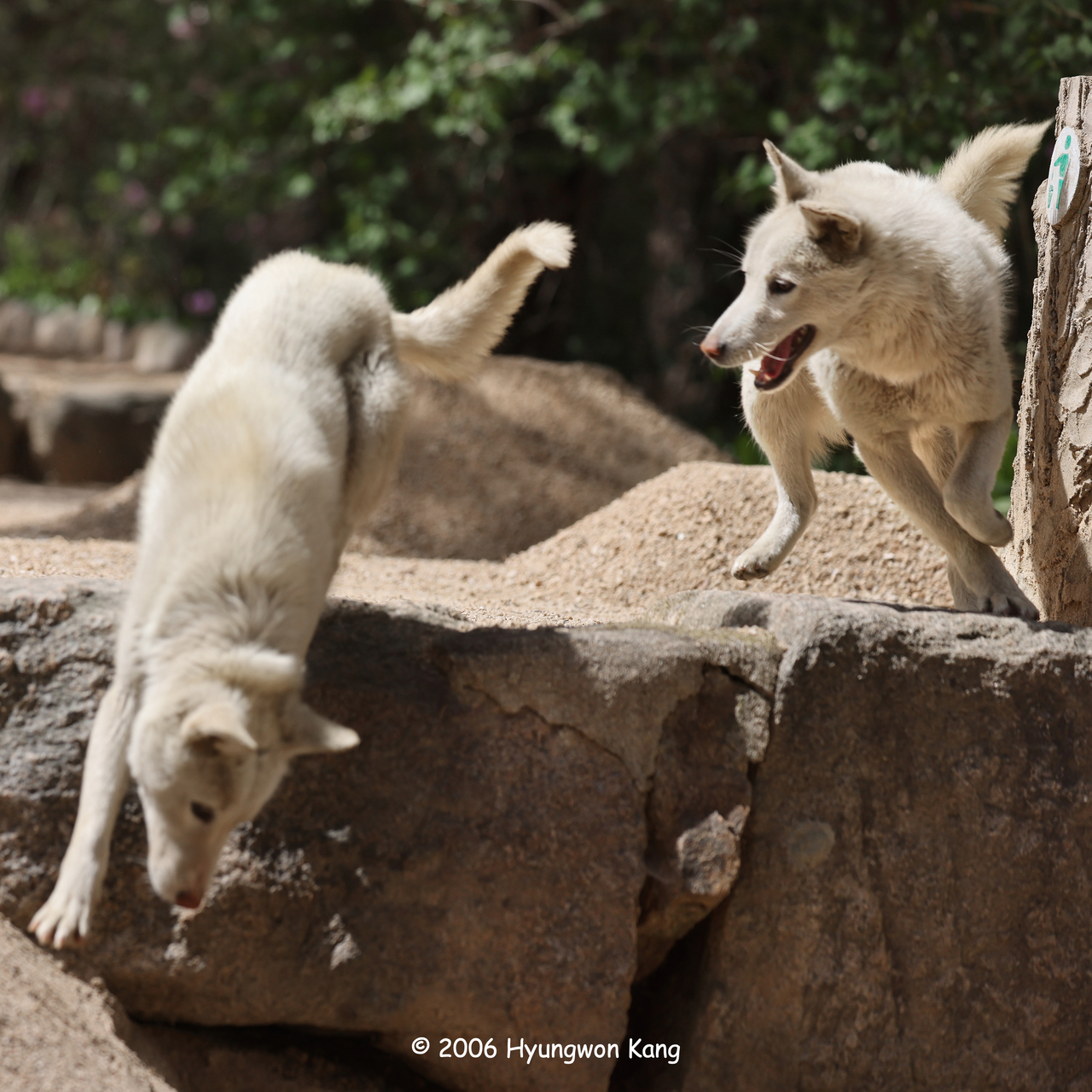
At the time, I believed I was simply documenting one of the world’s least-known dog breeds. Looking back, those photographs represent, to the best of my knowledge, the first journalistic documentation introducing North Korea’s national dog to the outside world.
Five years later, the breed became familiar to South Koreans in an entirely different way. Following the historic June 2000 inter-Korean summit, North Korea presented a pair of Pungsan-gae to President Kim Dae-jung (1924-2009). For most people in the South, it was their first opportunity to see an authentic Pungsan-gae. The pair became enduring symbols of reconciliation as well as ambassadors of one of Korea’s oldest indigenous dog populations.
Originally protected as one of North Korea’s Natural Monuments, the Pungsan-gae has since become recognized as North Korea’s national dog. Its name comes from the former Pungsan County, whose surrounding mountain districts — including Pungseo and neighboring Gapsan — were long renowned for producing exceptional hunting dogs. Today, the breed’s historic homeland lies within Kim Hyonggwon County in Ryanggang Province.
Recent genomic research has transformed our understanding of Korea’s native dogs. In 2023, researchers at Konkuk University reconstructed the evolutionary history of Korea’s indigenous dogs by comparing the whole-genome sequences of 211 canids. Their findings indicate that Korea’s native breeds emerged through the convergence of two ancient genetic lineages.
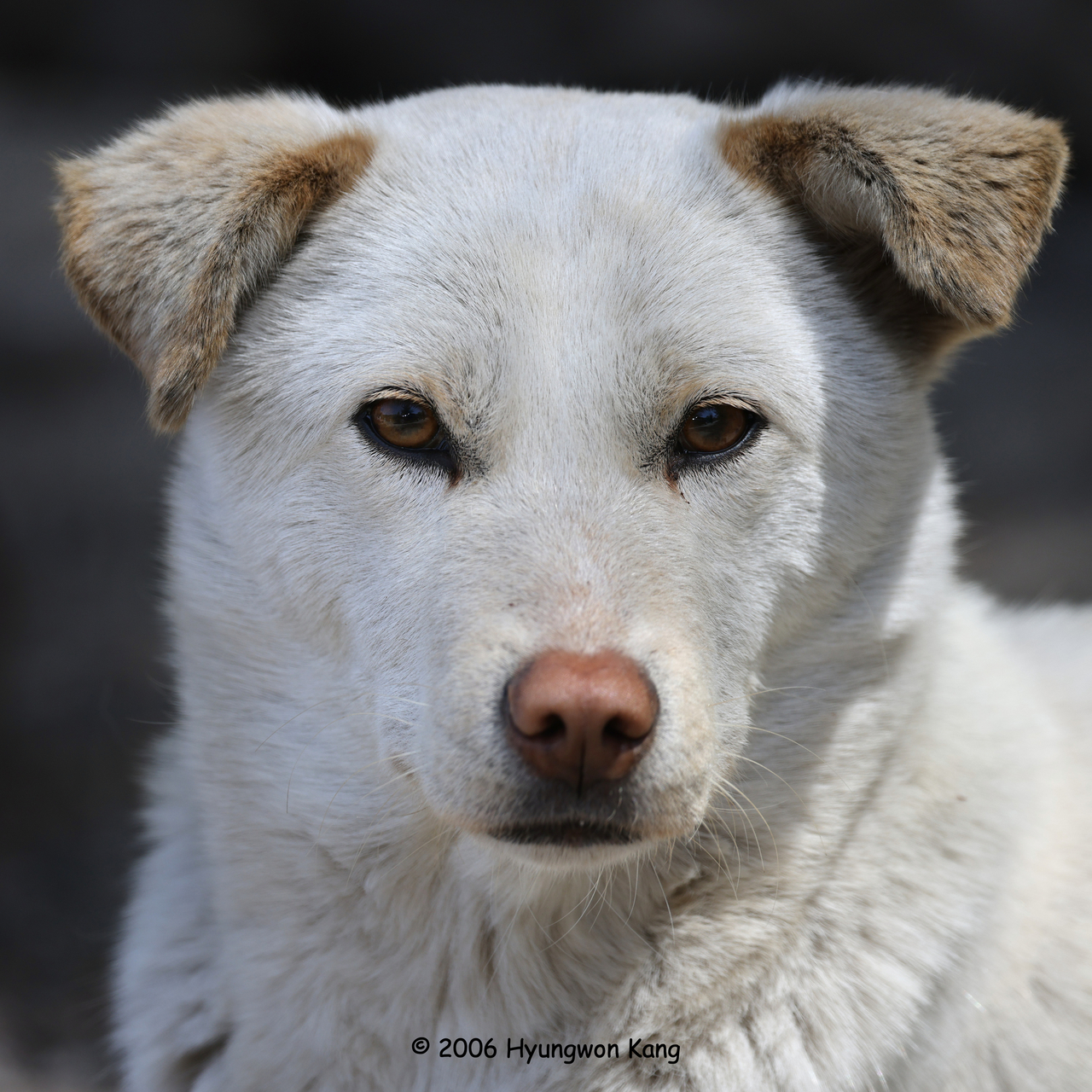
One lineage is most closely related to present-day indigenous dogs of Southeast Asia, including the New Guinea singing dog, the Australian dingo and Vietnamese native dogs. The Jindo and Donggyeongi belong primarily to this lineage. A second lineage is associated with northern Eurasia and includes the Sapsal, whose closest relatives include the Tibetan mastiff, Siberian husky and native dogs of Central Asia.
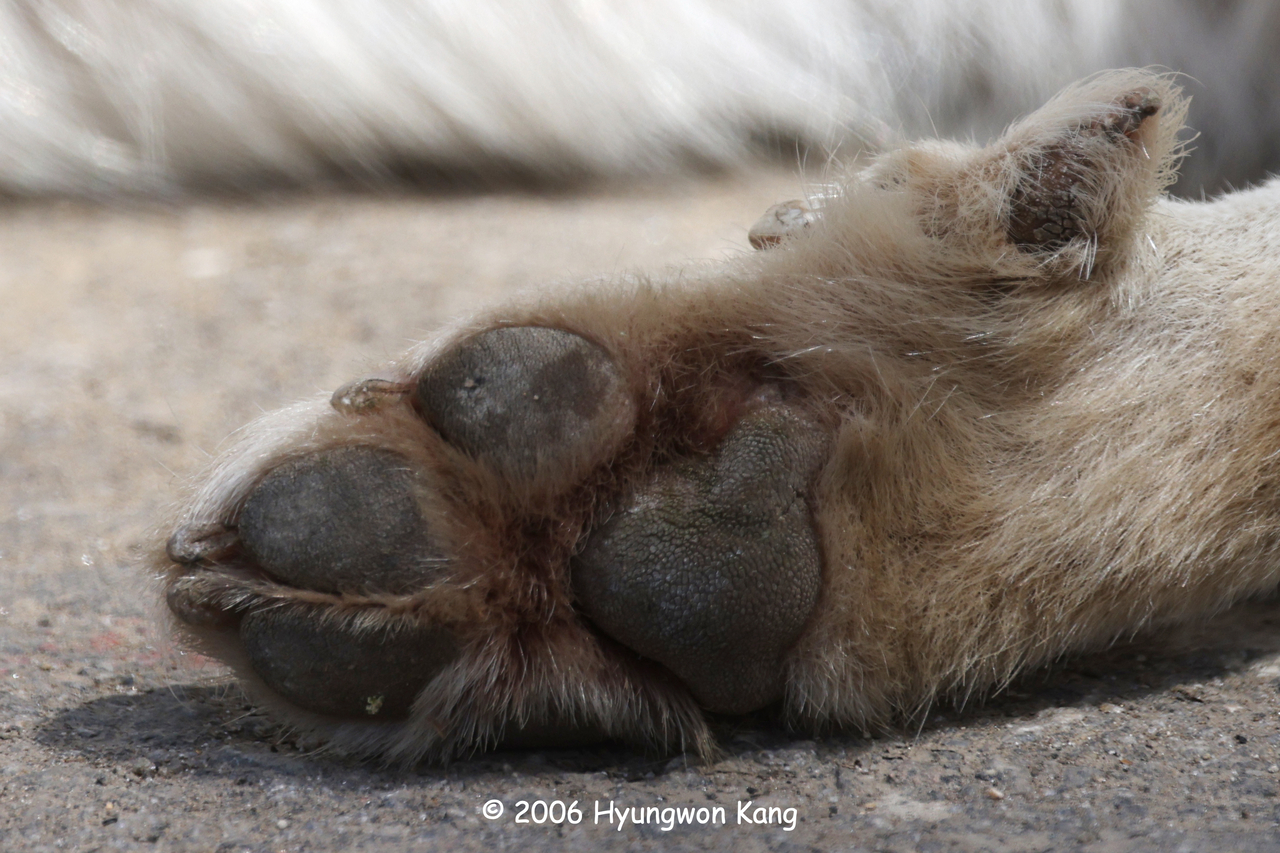
Building on that work, Korean researchers reported in 2026 the first complete genome sequences from dogs that lived on the Korean Peninsula approximately 2,000 years ago. Together, the studies reveal that Korea’s indigenous dogs are neither descendants of a single ancestral population nor isolated relics. Rather, they emerged through the convergence of multiple ancient East Asian lineages whose interactions unfolded over thousands of years on and around the Korean Peninsula.
According to Dr. Ha Jihong, one of Korea’s foremost authorities on native dogs, genome analyses place Korea’s indigenous breeds within a distinct East Asian lineage that is clearly differentiated from the three major Western dog groups. Unlike the overwhelming majority of modern pedigree dogs — which were deliberately standardized through selective breeding in Europe over the past two centuries — the Pungsan, Jindo, Sapsal, Donggyeongi and Jeju dog are best understood as ancient natural landraces that evolved over millennia through environmental adaptation and practical selection by generations of hunters and farmers.
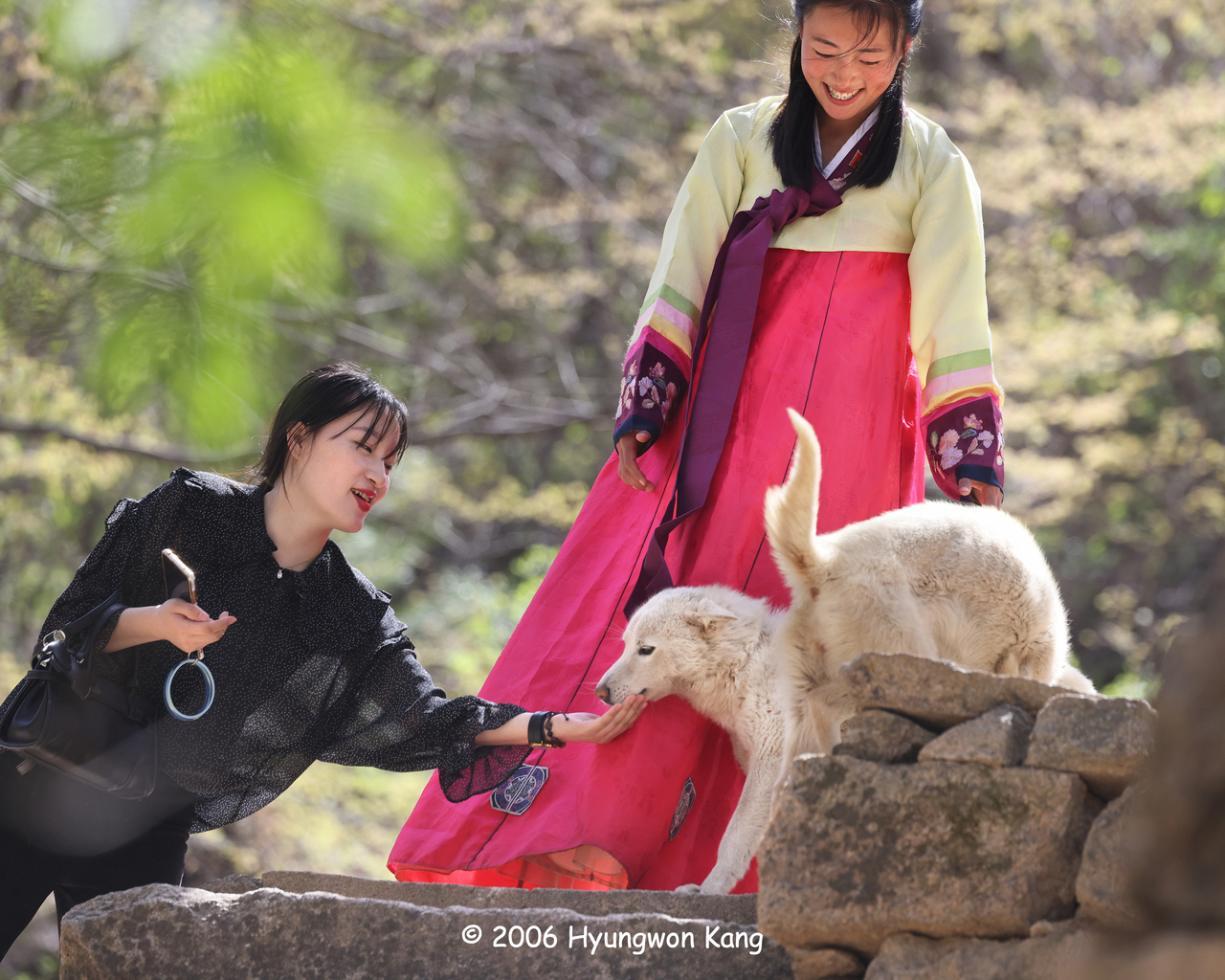
Three decades after I photographed the Pungsan-gae in Pyongyang in 1995, the pictures have acquired an unexpected historical significance. Viewed alongside modern genomic research, they document not only North Korea’s national dog but also one branch of an ancient Korean canine heritage — one whose roots extend back millennia and continue to illuminate the history of Korean civilization itself.

By Hyungwon Kang
Hyungwon Kang is a Korean American photojournalist, columnist, author and two-time Pulitzer Prize winner. He reported on North Korea in 1995, 1997 and 2026. Kang is the author of “Visual History of Korea” and “Seonbi Country Korea, Seeking Sagehood,” and his ongoing Visual History of Korea project documents Korean history and culture across all of Korea for global audiences.
The views expressed in this article are the writer’s own. — Ed.