
 KB News Desk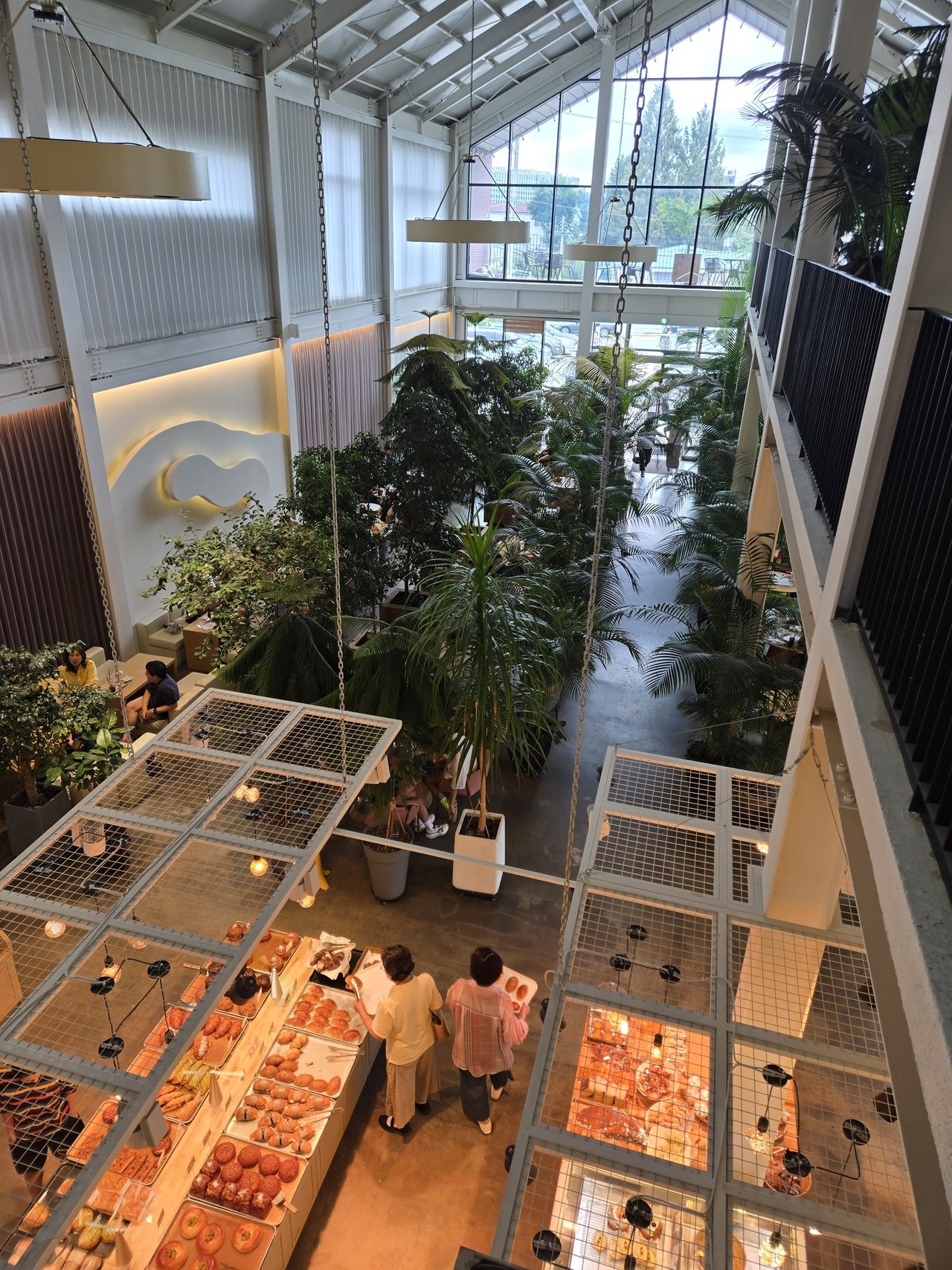
Some cafes may have been built around inheritance-tax benefits, but many are distinct destinations, drawing tourists and boosting communities, insiders say
Tall trees, a long staircase and rows of tables fill the airy, three-story building, where high ceilings and broad passageways create the feel of a resort lobby.
It is, however, a cafe — one of more than 10 sprawling bakery cafes situated along the Han River in Hanam, Gyeonggi Province, east of Seoul.
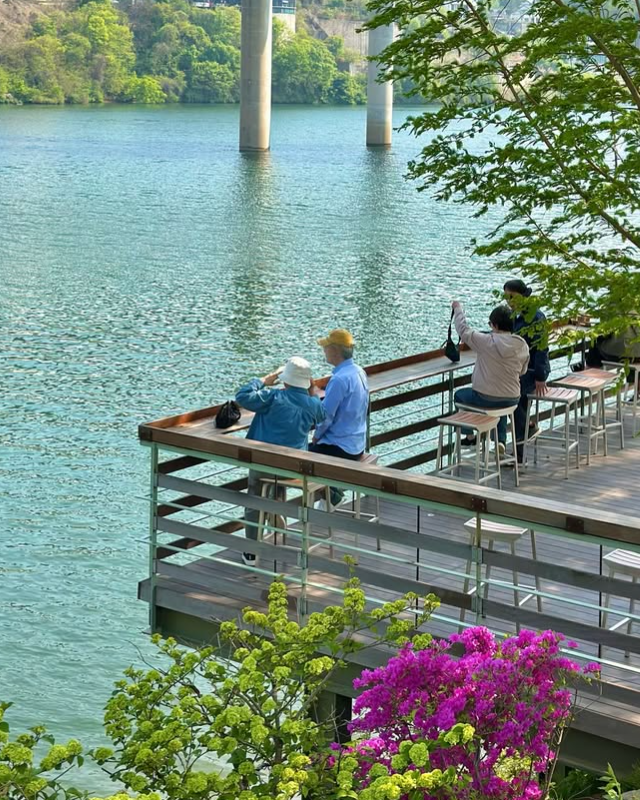
These cafes are part of a growing phenomenon on the outskirts of the South Korean capital, where coffee shops have become destinations in their own right. Customers come not only for coffee and pastries but also for river views, gardens, parking and, above all, space.
“When the whole family gets together, we need somewhere spacious,” said Yoo Hyun-young, 33, an office worker from Seoul who was visiting with her 5-year-old son. “I like that I don’t feel cramped or have to worry too much about bothering other people.”

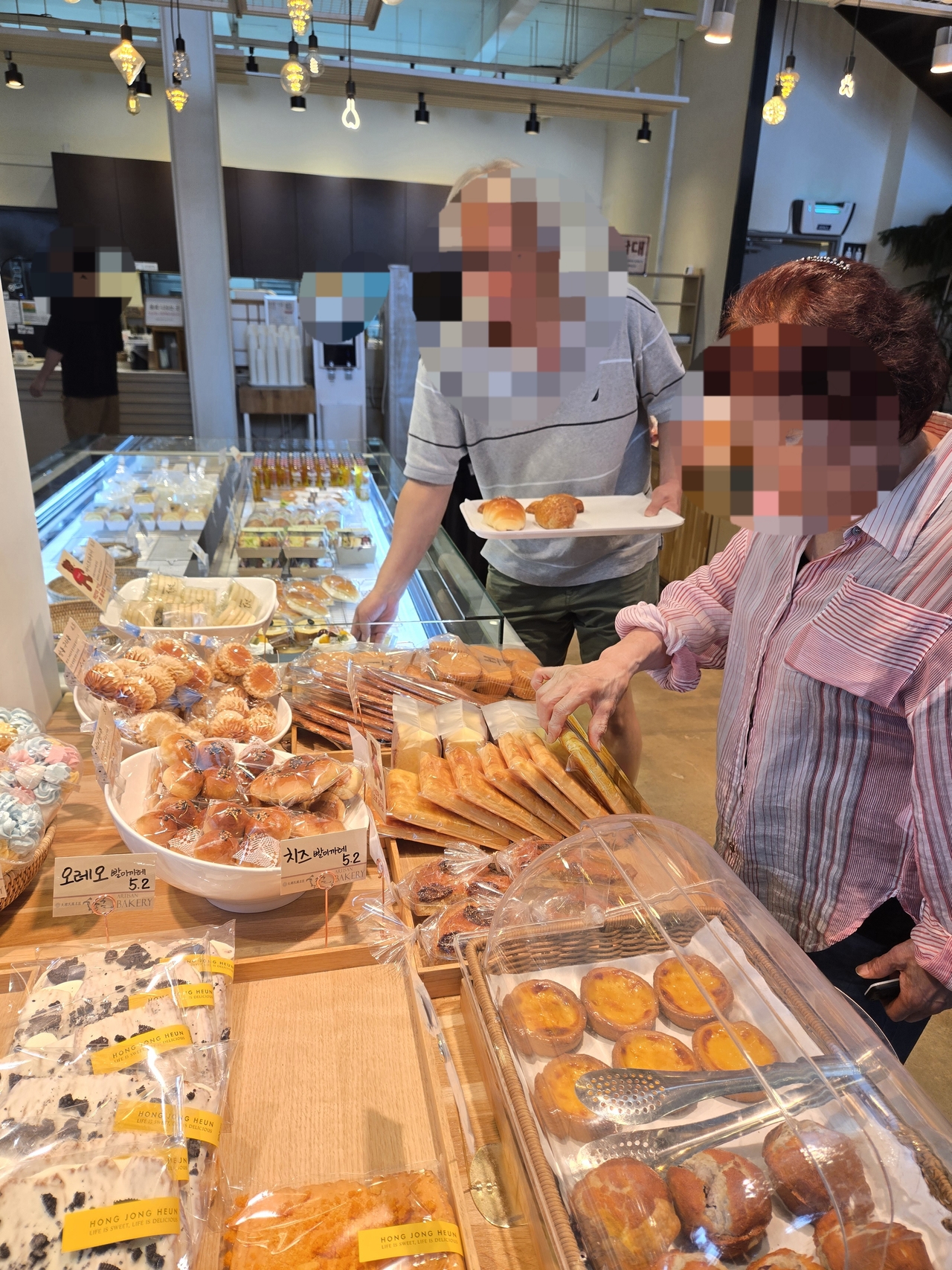
The rise of giant bakery cafes has become a distinct trend in Korea’s cafe market, particularly in areas outside Seoul.
Defined by the National Tax Service as establishments spanning at least 333 square meters, these cafes have taken root in scenic areas near rivers, reservoirs and mountains in Hanam, Goyang, Paju and Gimpo, where big plots of land and ample parking are more readily available than in the capital.
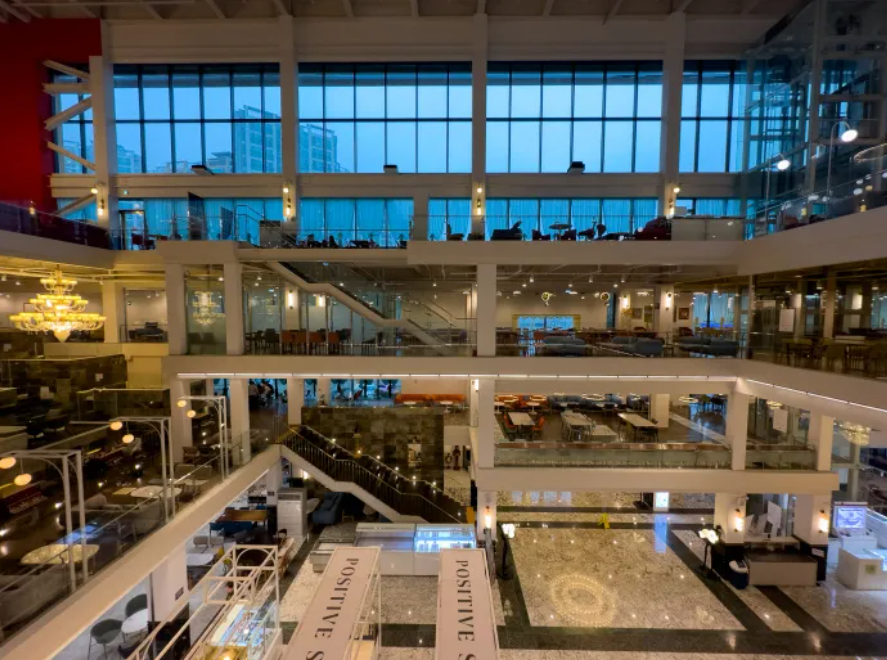
Among the best known is Positive Space 566 in Gimpo, Gyeonggi Province, which has 2,190 seats and can accommodate about 2,200 people. Guinness World Records recognized it in April 2023 as the world’s largest cafe.
“I knew cafe culture was big in Korea, but I never expected a cafe this huge,” said Stacey Cummings, a Canadian graduate student who lives in Seoul. “Back home, I usually go to a cafe just to grab a coffee or meet someone. I’d never think of driving somewhere just to visit a cafe. Here, the cafe itself feels like the destination.”
NTS data shows that the number of such cafes nationwide more than tripled in just five years, from 45 in 2019 to 137 in 2024.
But the rise of the giant cafe has attracted attention for another reason: South Korea’s inheritance tax system.
The 2026 tax reform package, unveiled on Aug. 3, proposes tighter rules targeting the alleged use of bakery cafes as a way to obtain an inheritance tax deduction.
Under current law, if someone inherits an eligible small or midsized family business that has been run for at least 10 years, they can receive an inheritance tax deduction of up to 30 billion won ($21.7 million). The heir must continue running the business for at least five years.
The deduction cap rises to 40 billion won for businesses operated for at least 20 years and 60 billion won for those run for 30 years or more.
The benefit, introduced in 1997, allows heirs of eligible small and midsized businesses to receive a deduction from inheritance taxes if they continue operating the business.
This, according to tax accountant Lee Bong-gu, apparently encouraged some wealthy property owners to build massive bakery cafes on land or in buildings they own, then pass the businesses and their assets to their children while seeking the deduction available for qualifying family businesses.
In a hypothetical case, an only child inheriting land worth 30 billion won near Seoul could face a 13.62 billion won tax bill, with inheritance tax rates reaching as high as 50 percent. But the tax could drop to zero if a bakery cafe on the property qualifies for the family business deduction, Lee explained.
One quirk of the program is that coffee shops are not eligible for the deduction, while bakeries are. Tax experts say that distinction may have contributed to the rise of giant cafes that sell baked goods but do little or no baking on-site.
Against this backdrop, the latest tax reform package seeks to curb such practices by tightening the requirements for businesses eligible for the deduction.
The plan would raise the minimum operating period to 30 years and require heirs to continue running the business for 10 years, while increasing the maximum deduction to 100 billion won.
It would also set stricter standards for what qualifies as a family business, requiring businesses to make their own pastries rather than simply resell ready-made goods.
“The idea is to provide greater support for businesses that have been genuinely operated over a long period, while making it harder to use businesses mainly as a way to reduce inheritance taxes,” Lee said.
Tax loophole or local economic boost?
When the tax agency checked, out of the 25 large bakery cafes examined, 44 percent, or 11 places, were found to have misused the family business inheritance deduction. Some were registered as bakeries but were effectively operating as coffee shops, with no facilities for baking bread.
In other cases, businesses actually run by the owners’ children were registered under their parents’ names, apparently to meet the requirement that the previous owner operate the family business for at least 10 years before it is passed on.
This discovery, however, has raised concerns among legitimate operators who say they could be caught up in rules aimed at those abusing the system.
A man in his 50s who runs a large bakery cafe in Gimpo said he invested about 15 billion won in the business, which opened in 2020.
“It feels unfair that all large cafes are being lumped together as if they were set up just to avoid inheritance or gift taxes,” he said.
“You need a huge amount of money to open a place this big, and the operating costs are high. Keeping it going for years isn’t easy. I don’t think there are that many people who would go through all this just to save on taxes.”
A bakery cafe launched in 2020 could currently be handed down in 2030 with up to 30 billion won in inheritance tax deductions, as long as the heir runs it for another five years.
The new rules would require a longer track record, forcing owners to postpone succession.
The NTS, which is expected to increase its scrutiny under the proposed changes, said it would continue to support legitimate family-business succession while taking action against businesses that abuse the system.
“We will continue to support legitimate family business succession, including through tax consulting, while taking action against cases that abuse the system,” the agency said in a statement.
Some business owners point to the economic benefits of large cafes and the growing culture around them, arguing that the trend should not be undermined by tighter tax regulations.
“More group tourists are coming in, and many of them want to visit these huge cafes with river or mountain views. They’re also being used for cultural events,” one user wrote on Apeunikka Sajangida, the country’s biggest online community for small business owners with 1.9 million members.
“Whatever the reason they were originally opened, people like them and spend money there. They can help tourism and the local economy. If we only focus on the tax issue, I think we’re missing the bigger picture.”