

 KB News Desk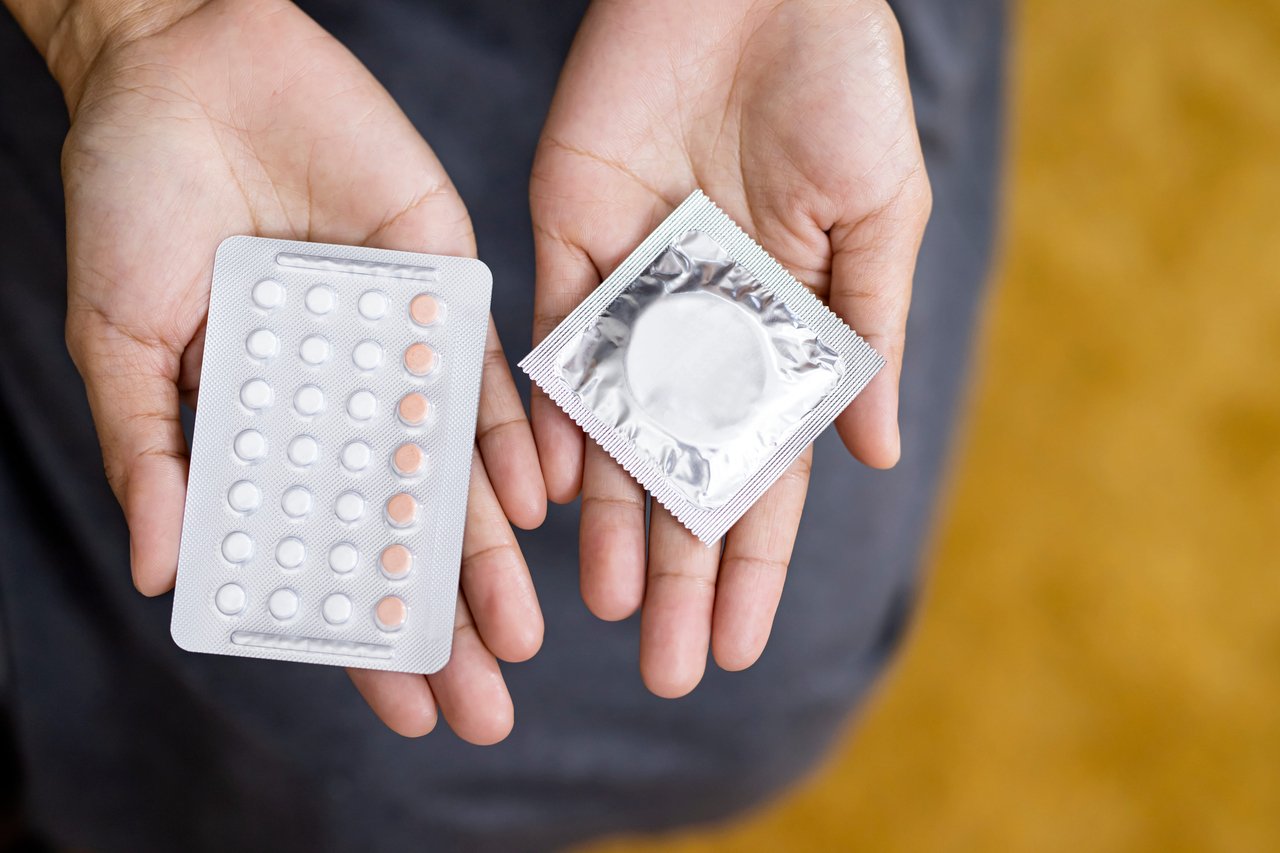
Women in South Korea are using contraception more consistently, while a growing share say they have the primary say in deciding whether to use it, according to a study released by the Korea Institute for Health and Social Affairs.
The findings, published in the institute’s July journal, were drawn from a nationwide survey of 6,174 women aged 13 and older conducted in 2025 and compared with a similar survey from 2022.
The contraceptive-use figures were based on respondents who had had sexual intercourse during the previous year.
Among women aged 19 to 39, 62 percent said they had always used contraception during sex over the previous year, up from 52.2 percent in 2022.
The rate among those aged 13 to 18 rose from 54.6 percent to 67.3 percent, while the figure for women aged 40 to 64 edged up 0.8 percentage point to 26.2 percent.
Among women aged 65 and older, just 3.6 percent said they always used contraception, while 94.6 percent said they did not use it at all.
More women also said they were the primary decision-maker on contraception, although about half of respondents across age groups said they made such decisions jointly with their partners.
Among women aged 19 to 39, 34.1 percent said they mainly made the decision themselves, up from 26.4 percent in 2022.
The figure rose from 25.3 percent to 30.8 percent among those aged 13 to 18 and from 17.1 percent to 34.4 percent among women aged 40 to 64.
The researchers said the findings suggest women are gaining greater autonomy in contraceptive decisions.
However, the study found that the use of modern contraceptive methods with proven effectiveness remained below 40 percent across age groups, despite an increase in the share of women who said they always practiced contraception.
The researchers said this pointed to a continuing gap between how consistently contraception is used and how effective the chosen methods are.
The report also found that contraception was still widely viewed mainly as a way to prevent pregnancy, which may help explain particularly low use among middle-aged and older women.
It called for education and policies that present contraception as part of broader sexual and reproductive health, including pregnancy prevention, protection from sexually transmitted infections through appropriate methods and overall sexual health management.