

 KB News Desk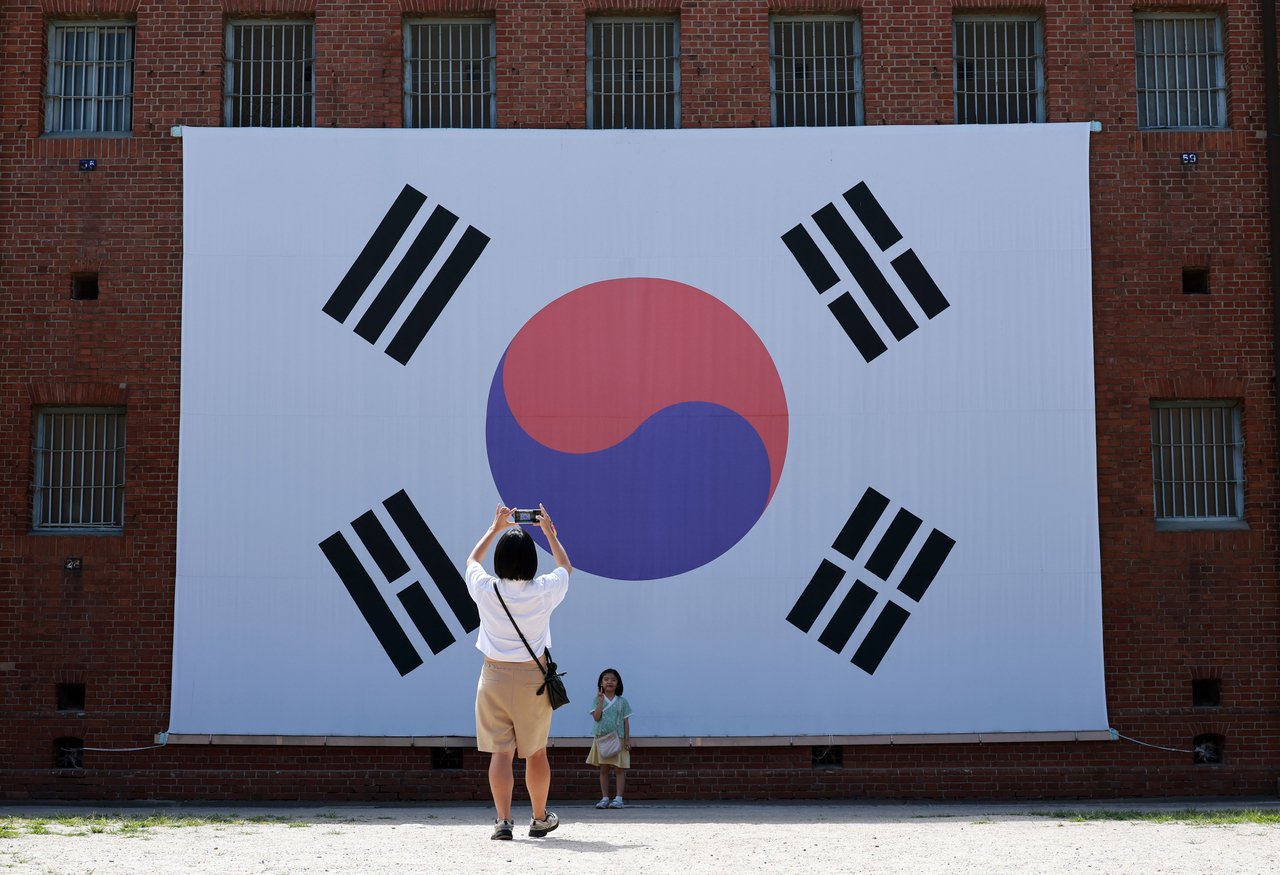
South Korea is seeing a surge in foreign tourism driven by the global popularity of K-pop and Korean culture, but tourism focused on its modern history remains underdeveloped.
The Ministry of Culture, Sports, and Tourism said on Friday that there is a significant gap in foreign visitor numbers between dark tourism sites and other attractions.
Dark tourism, also known as black tourism or grief tourism, involves visiting sites linked to tragic events such as wars, massacres and disasters. Notable dark tourism sites in Korea include the Seodaemun Prison History Hall and the Namyeong-dong Anti-Communist Interrogation Center, both in Seoul.
Seodaemun Prison History Hall recorded only 1,433 foreign visitors in 2024, according to the Culture Ministry. By contrast, the number of foreign tourists who visited the most popular tourist spot, Gyeongbokgung, reached 2.78 million people in 2025 and around 2 million in 2024.
“We offer 16 tours to the Seodaemun Prison and the Namyeong-dong interrogation center each month, but half of them get canceled due to a lack of participants,” Park Ho-young, head of Seoul Operations Planning at the travel agency Tourstory, was quoted as saying by Yonhap News Agency on Friday.
Seodaemun Prison housed many independence activists during Japan’s 1910-45 colonial rule and pro-democracy movement fighters after Korea’s liberation, who were imprisoned and tortured. The Namyeong-dong interrogation center was a notorious facility operated by Korea’s military dictatorships in the 1970s and 1980s.
Industry officials told local media outlets that historical sites receive far less interest, mainly due to a lack of programs to engage foreign visitors.
“Foreigners come to Korea because they are attracted to Korean culture,” said Seo Kyoung-duk, a professor at Sungshin Women’s University.
He added that tourists are interested in Korean history but often lack information about historical sites, and called on local governments to develop dark tourism programs and promote them through social media.
Oh Je-yeon, an associate professor at Sungkyunkwan University, said developing engaging narratives is essential to expanding dark tourism.
“Programs should present Korean history in a way that is interesting and accessible even to foreigners without any background knowledge,” Oh said.