
 KB News Desk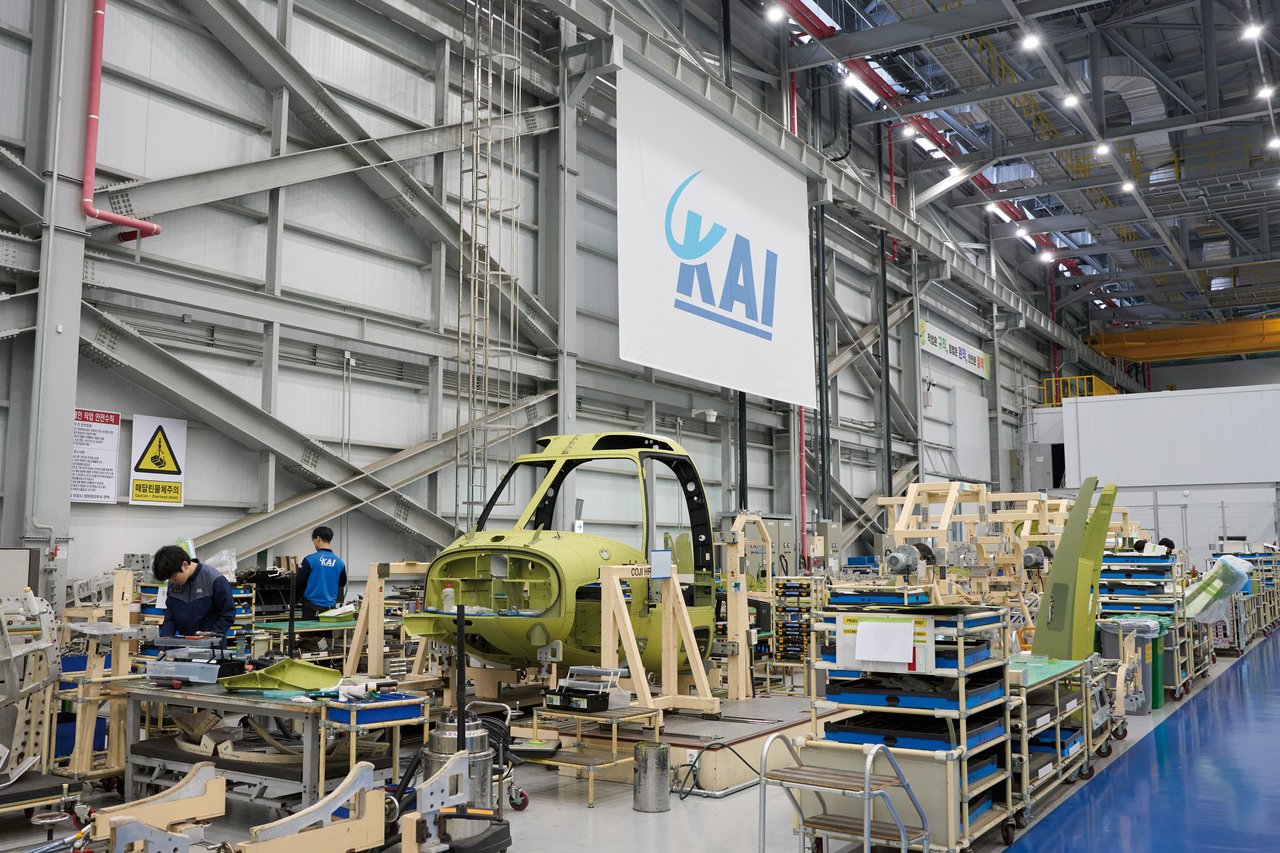
South Korea’s antitrust regulator has approved Hanwha Group’s acquisition of a 15.89 percent stake in Korea Aerospace Industries, clearing a key regulatory hurdle in the conglomerate’s push to build a defense business spanning land, sea, air and space.
The Fair Trade Commission said Monday that it had approved the share purchases by Hanwha Aerospace, Hanwha Systems and Hanwha Ocean.
The review focused on whether the minority stake would give Hanwha effective control over KAI. Under the Fair Trade Act, minority investments that do not confer practical control are generally presumed to pose limited competition risks and may undergo a simplified review.
The FTC concluded that Hanwha could not currently exercise sole control over KAI. Hanwha is the aircraft maker’s second-largest shareholder with a combined 15.89 percent stake, while the state-run Export-Import Bank of Korea remains the largest with 26.41 percent. The National Pension Service holds another 8.75 percent.
The regulator, however, will require Hanwha to seek a new merger review if it becomes KAI’s largest shareholder, secures the chief executive position or gains more than one-third of the company’s board seats. In such a case, the FTC would reassess the transaction’s potential effects on competition.
“We will continue exploring ways to cooperate with KAI to strengthen the competitiveness of K-defense and contribute to the growth of the aerospace industry,” Hanwha said following the approval.
The decision comes amid opposition from KAI’s labor union, which has raised concerns about Hanwha’s potential involvement in the aircraft maker’s management.
After its KAI stake exceeded 5 percent in May, Hanwha changed the stated purpose of its investment from “general investment” to “management participation.” It said closer cooperation could improve export competitiveness by combining Hanwha’s engines, radar and defense systems with KAI’s aircraft manufacturing capabilities.
The union plans to hold its first protest against the FTC outside the regulator’s headquarters on Wednesday.
It argues that Hanwha’s dual role as a major shareholder and supplier could create conflicts of interest, expose confidential information and undermine fair competition.
KAI develops and manufactures aircraft including the KF-21 fighter jet, while Hanwha supplies key components such as engines, avionics and active electronically scanned array radar systems.
Hanwha has rejected those concerns, arguing that closer ties between KAI’s aircraft manufacturing and its own capabilities in engines, radar, space and defense systems would strengthen both companies’ global competitiveness and export potential.
Hanwha Group has spent 2.2 trillion won ($1.6 billion) acquiring KAI shares since December. Industry observers expect the conglomerate to use its stake as a foothold for a potential takeover bid if KAI is eventually privatized.