
 KB News Desk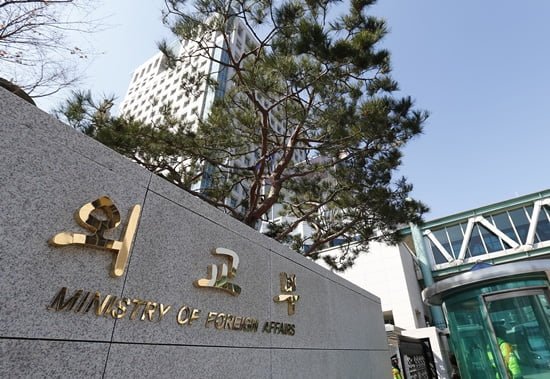
Foreign diplomats stationed in South Korea have been implicated in criminal cases or other incidents over the past five years, but diplomatic immunity limits local authorities’ ability to hold them criminally accountable, government data showed Thursday.
Foreign Ministry figures provided to the National Assembly’s Foreign Affairs and Unification Committee show that 49 foreign diplomats have been linked to reported incidents in South Korea since 2022. The incidents covered a broad spectrum, from traffic violations to alleged theft, assault and sexual violence.
The number reached 10 in 2022, rose to 13 the following year, fell back to 10 in 2024 and returned to 13 in 2025. Three more cases were recorded through July this year.
Another 12 cases involved family members accompanying foreign diplomats during the same period — five in 2022, two in 2023, three in 2024, one in 2025 and one in the first seven months of this year.
These figures only cover incidents reported to investigative authorities and subsequently notified to the Foreign Ministry, raising the possibility that the actual number may be higher.
The cases underscore the difficulties South Korean authorities face in pursuing criminal proceedings against foreign diplomats who are protected by diplomatic immunity.
Under the Vienna Convention on Diplomatic Relations, diplomatic agents generally enjoy immunity from the criminal jurisdiction of the country in which they are posted.
South Korean police can conduct voluntary investigations with the consent of the diplomat concerned. But unless the sending country waives immunity, authorities cannot prosecute the diplomat in South Korean courts even if an investigation establishes the circumstances surrounding an alleged offense.
In such cases, police can establish the facts before referring the case without prosecution because the diplomat is not subject to South Korea’s criminal jurisdiction.
Diplomatic immunity does not, however, exempt diplomats from their obligation to comply with local laws. The Vienna Convention stipulates that those enjoying diplomatic privileges and immunities have a duty to respect the laws and regulations of the receiving state.
The sending country can also expressly waive a diplomat’s immunity, opening the way for criminal proceedings in the host country.
The Foreign Ministry data showed that if a person involved in an incident refuses to identify themselves as a diplomat, authorities may initially handle the case under the same procedures applied to other foreign nationals until diplomatic status is confirmed.