
 KB News Desk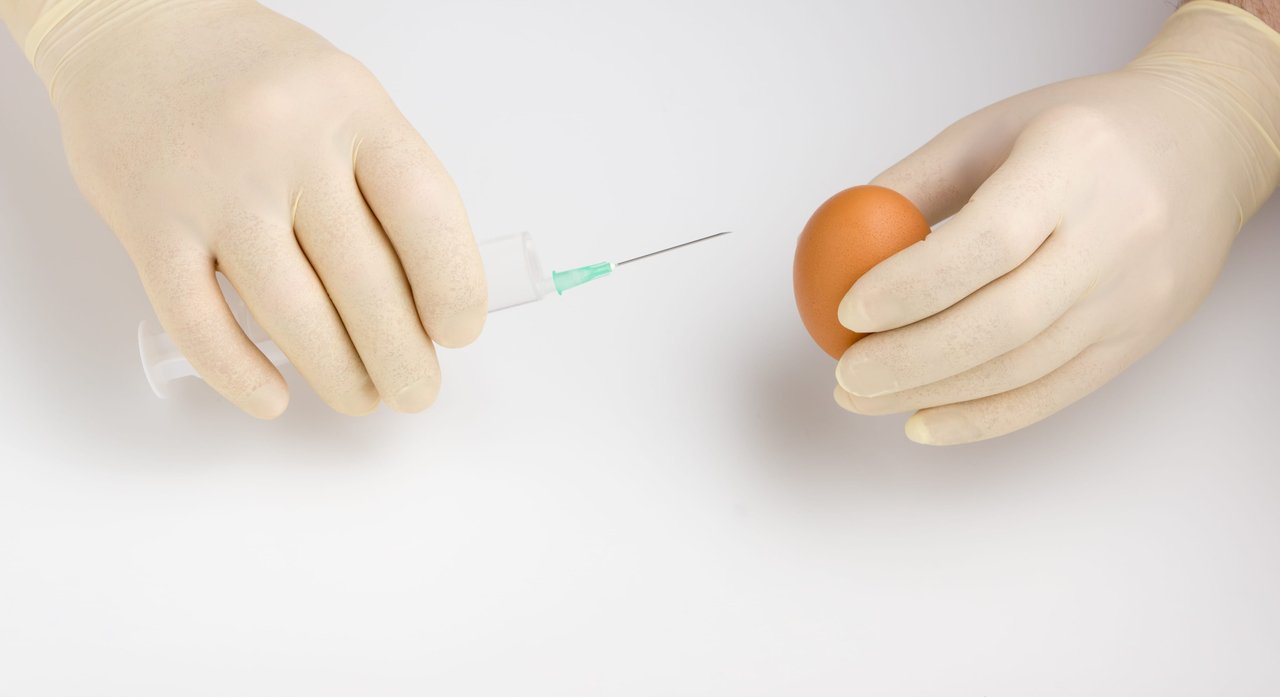
A bill to establish a legal basis for the production of eggs used as raw materials for vaccines was proposed Monday, in a bid to secure a stable supply of high-quality vaccine ingredients.
People Power Party Rep. Cho Kyoung-tae proposed a revision to the Livestock Industry Act to create a legal category for vaccine layer farms, distinguishing them from other livestock farms.
Under the current act, there is no separate legal definition for farms that produce eggs used in the production of essential pharmaceuticals such as vaccines. Instead, they are managed under subordinate regulations governing livestock breeding businesses, leaving the industry’s legal status and management framework unclear.
The bill defines the layer farming business for vaccine production in the law, designates it as a livestock business subject to licensing, and establishes management standards, including serological and disease testing, to ensure the safety and quality of vaccine ingredients.
The measure is intended to ensure a stable supply of eggs for medical purposes, particularly during flu outbreaks or sharp increases in egg prices that could disrupt the supply chain of vaccine ingredients.
According to the Ministry of Food and Drug Safety, 81 percent of flu vaccines manufactured in Korea and all 5.7 million flu vaccines imported to Korea in 2024 were produced using fertilized eggs.
The proposal comes as Korea faces egg price inflation and supply shortages. The price of 10 extra-large eggs rose over 13.9 percent in the last year, according to the Korea Institute for Animal Products Quality Evaluation.
The government also announced Friday that it would expand egg import states to include Thailand and Brazil to help stabilize supplies.