
 KB News Desk
Agency says the hit song is an independent creation and vows to respond through legal process
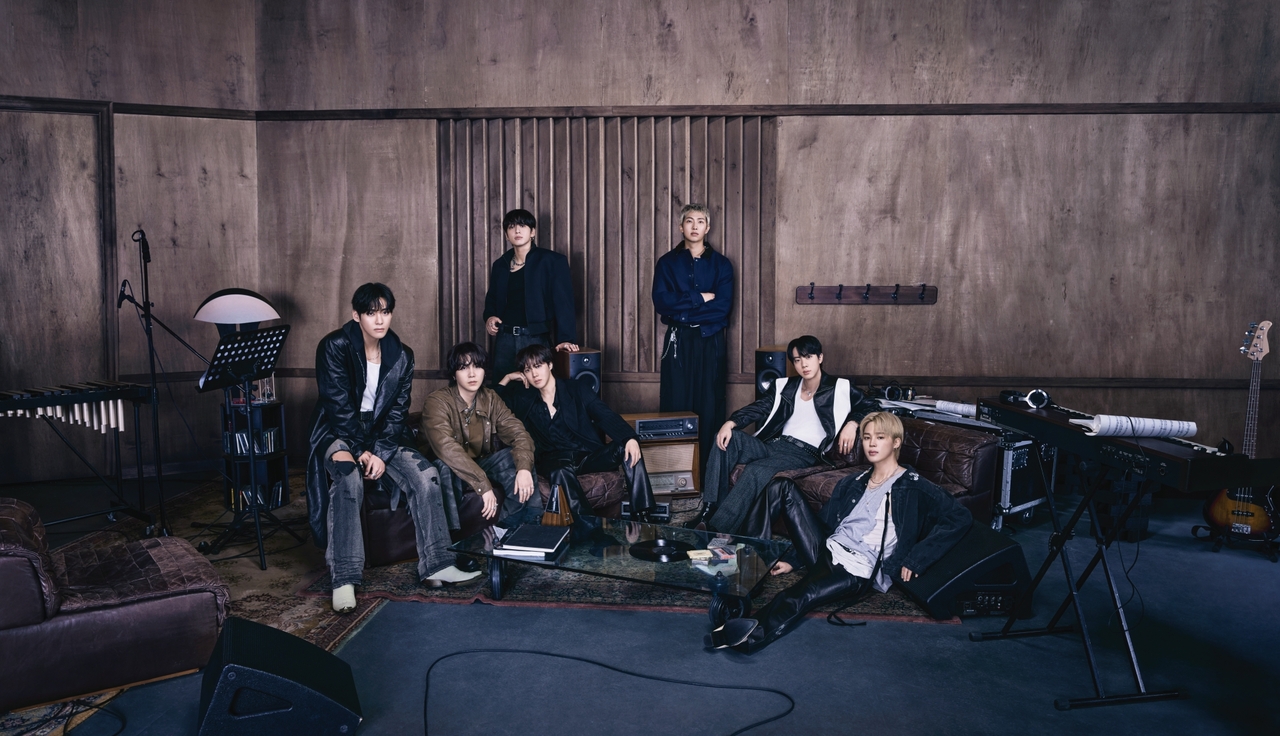
Big Hit Music, Hybe’s music subsidiary and BTS’ agency, on Friday denied allegations that the group’s global hit “Swim” infringed on the copyright of a song by three US songwriters.
“‘Swim’ is an independent creation,” the agency said in a statement shared with The Korea Herald. “The allegations in the lawsuit are unilateral and unsubstantiated. We will respond firmly through the appropriate legal process.”
The statement came after US songwriters Steve Cooper, Jon Sandler and Greylyn Johnson filed a copyright infringement lawsuit Wednesday in the US District Court for the Central District of California, alleging that BTS’ “Swim” copied substantial elements of a demo song of the same title.
“Swim” was released as the main single from BTS’ latest album “Arirang.”
A US media outlet reported Thursday that the complaint names Hybe, Hybe America, Big Hit Music and several of the song’s co-writers, including Derrick Milano, James Essien and Ryan Tedder, as defendants. BTS members are not named in the lawsuit, nor are RM and producer Pdogg, both of whom participated in writing the track.
According to the complaint, the three songwriters began working on their version of “Swim” in early 2025 and completed a demo in March that year. The plaintiffs allege the recording was shared with multiple music industry contacts, including executives at Artist Publishing Group through the music-sharing platform Disco, and argue that it may have ultimately reached the songwriters behind BTS’ “Swim.”
The plaintiffs also commissioned musicologist Alexander Stewart to compare the two songs. According to the complaint, Stewart identified similarities in elements of the title hook, harmony, texture, rhythm and lyrics, concluding that BTS’ “Swim” was not an original composition.
The three US songwriters are seeking an injunction barring further exploitation of “Swim,” as well as damages and disgorgement of profits. Alternatively, they are asking the court to recognize them as co-writers of the song and award them a share of its copyright royalties.