
 KB News Desk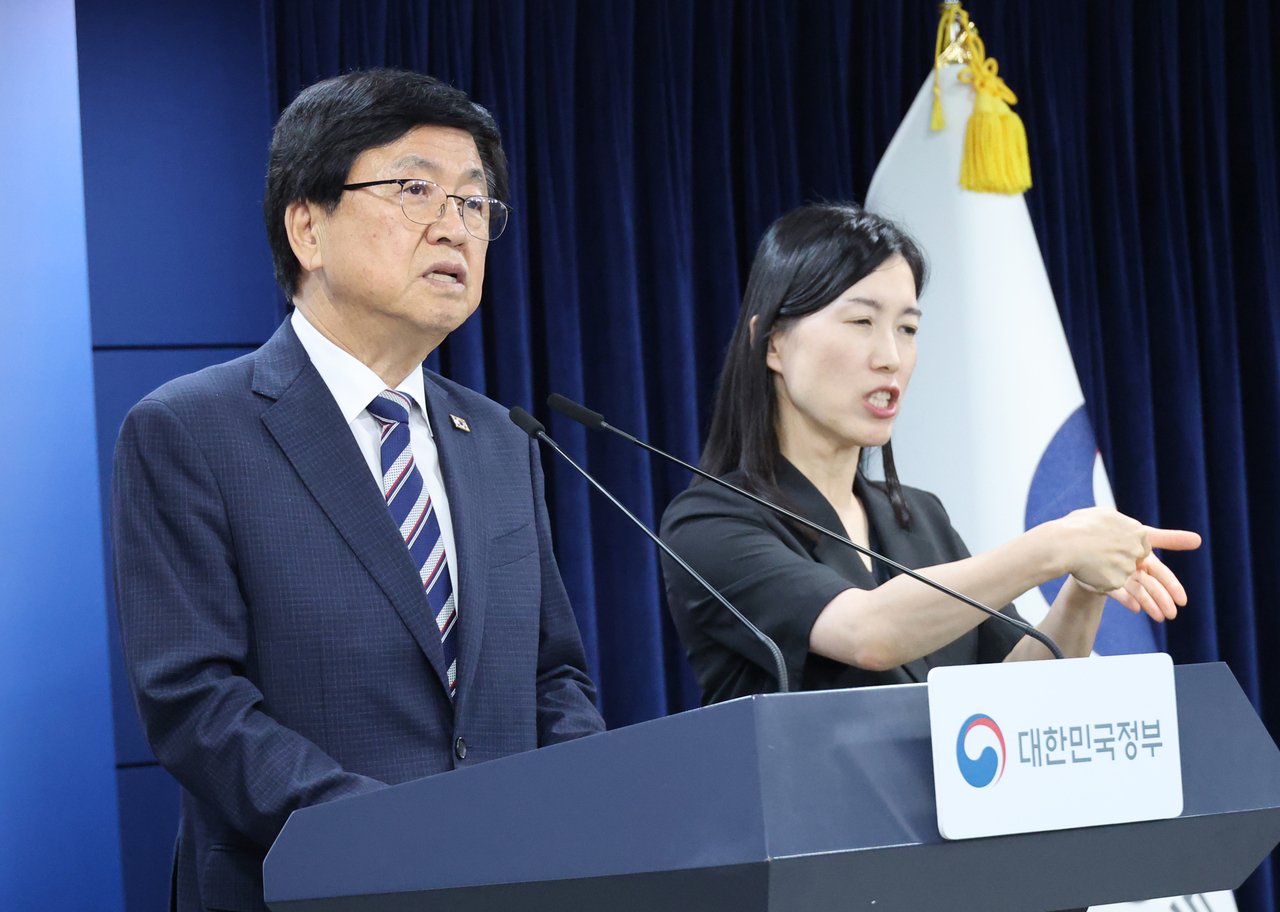
Pusan, Chonnam and Chungnam national universities to receive concentrated funding tied to regional growth industries, AI
Three flagship regional national universities — Chonnam National University, Chungnam National University and Pusan National University — were selected by the Education Ministry on Tuesday for concentrated government funding of up to 100 billion won ($72 million) each.
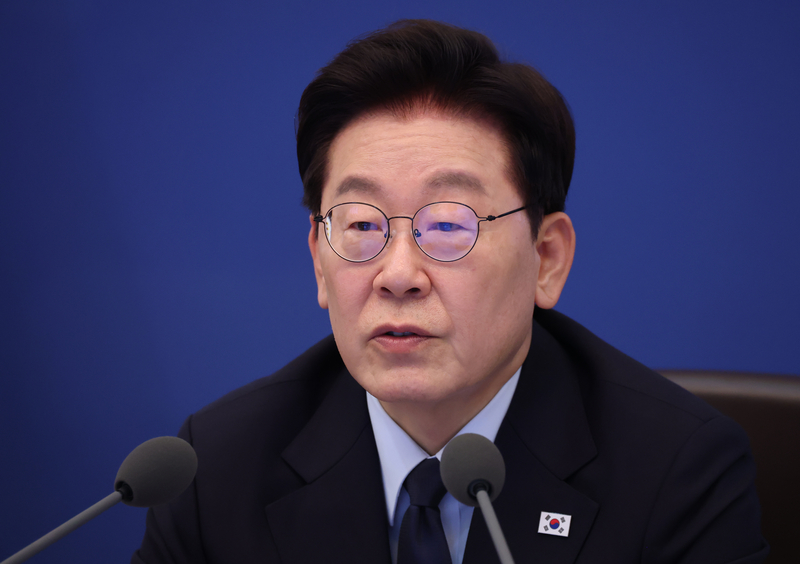
The funding will be provided over the next five years under a scaled-back version of President Lee Jae Myung’s signature “10 Seoul National Universities” initiative.
The three universities will receive comprehensive financial support for education and research in industries designated as regional growth engines under the government’s “5 Poles, 3 Special Zones” development strategy.
The initiative stems from one of Lee’s biggest education pledges during the 2025 presidential election campaign.
Lee had originally pledged to substantially increase investment in all nine flagship regional national universities, seeking to bring their research and educational capabilities closer to those of Seoul National University and draw students, researchers and industries away from the greater Seoul area.
The Education Ministry, however, announced in April that it would modify the original approach and initially concentrate additional resources on three universities following consultations across government agencies.
Officials said concentrating limited resources would allow the government to produce visible results more quickly.
Under the new model, government support will link each region’s strategic industries with artificial intelligence, spanning universities’ undergraduate and graduate programs as well as research institutes.
The broader policy forms part of the administration’s push to establish economic hubs outside the capital region under its “5 Poles, 3 Special Zones” strategy.
Each of the three universities will receive around 70 billion won this year under the government’s support package.
On top of that, each university will receive 30 billion won in general-purpose government funding compared with last year, bringing annual support to around 100 billion won per institution through 2030.
Why the three were chosen
The Education Ministry said the universities were selected following deliberations by a council comprising representatives from nine government agencies and civilian experts.
The council assessed applicants based on four main criteria: alignment with the government’s national spatial development strategy, regional conditions and preparedness, the universities’ own capabilities and readiness, and plans for broader reforms to education, research and institutional operations.
Pusan National University was selected for its plan to establish a new college covering key growth industries in southeastern Korea, including shipbuilding and marine engineering, mechanical systems and aerospace.
The university also plans to establish new industry-sponsored departments with companies including LG Electronics and three Hanwha affiliates, with the goal of developing a college ranked among the world’s top 100 in its field.
Pusan additionally proposed establishing what it described as Korea’s largest college dedicated to artificial intelligence and transforming its Yangsan campus into a research hub for industrial AI transformation.
Infrastructure developed under the initiative would also be shared with universities across the southeastern region, and participating institutions would jointly operate an interdisciplinary program focused on Busan’s development as a maritime hub.
Chonnam National University, meanwhile, plans to establish a new college focused on advanced semiconductors and future energy while expanding courses involving corporate participation.
It also proposed expanding a joint semiconductor packaging research institute model currently operated with Amkor Technology to partnerships involving companies and institutions including Samsung and Korea Electric Power Corp.
The university plans to carry out medium- and large-scale AI transformation projects spanning the full development cycle to train specialists in the field.
Chonnam also aims to expand its shared-university model beyond remote credit exchanges to include team projects and hands-on joint education using shared fabrication facilities and clean rooms.
The government said Chonnam’s proposal showed particularly strong alignment with its regional development strategy following the recent merger of Gwangju and South Jeolla Province.
Chungnam National University’s plan centers on establishing the Nexus College of Science and Technology and creating a joint education and research system with the Korea Advanced Institute of Science and Technology.
The university aims to serve as a regional hub supplying industrial and research personnel for four major growth-engine industries in central Korea.
Under the proposal, Chungnam National University, KAIST and major anchor companies would jointly design and operate curricula, with programs linked directly to employment at participating companies.
Its planned Nexus Convergence Research Institute would focus on solving industrial research challenges, while the university also proposed establishing a joint AI research institute with Naver Cloud.
Funding tied to performance
With substantial public funding going to the three institutions, the ministry said it would establish a separate performance management committee to monitor implementation.
The ministry said the evaluations would be used to differentiate funding levels, allowing support to be adjusted according to each university’s progress.
The decision to concentrate support on three universities marks a departure from the original conception of the “10 Seoul National Universities” initiative.
When the revised policy was announced in April, the government said it intended eventually to expand the concentrated support to the other six flagship regional national universities.
Next year’s budget, however, does not include additional spending to raise funding for the remaining universities to the same level.
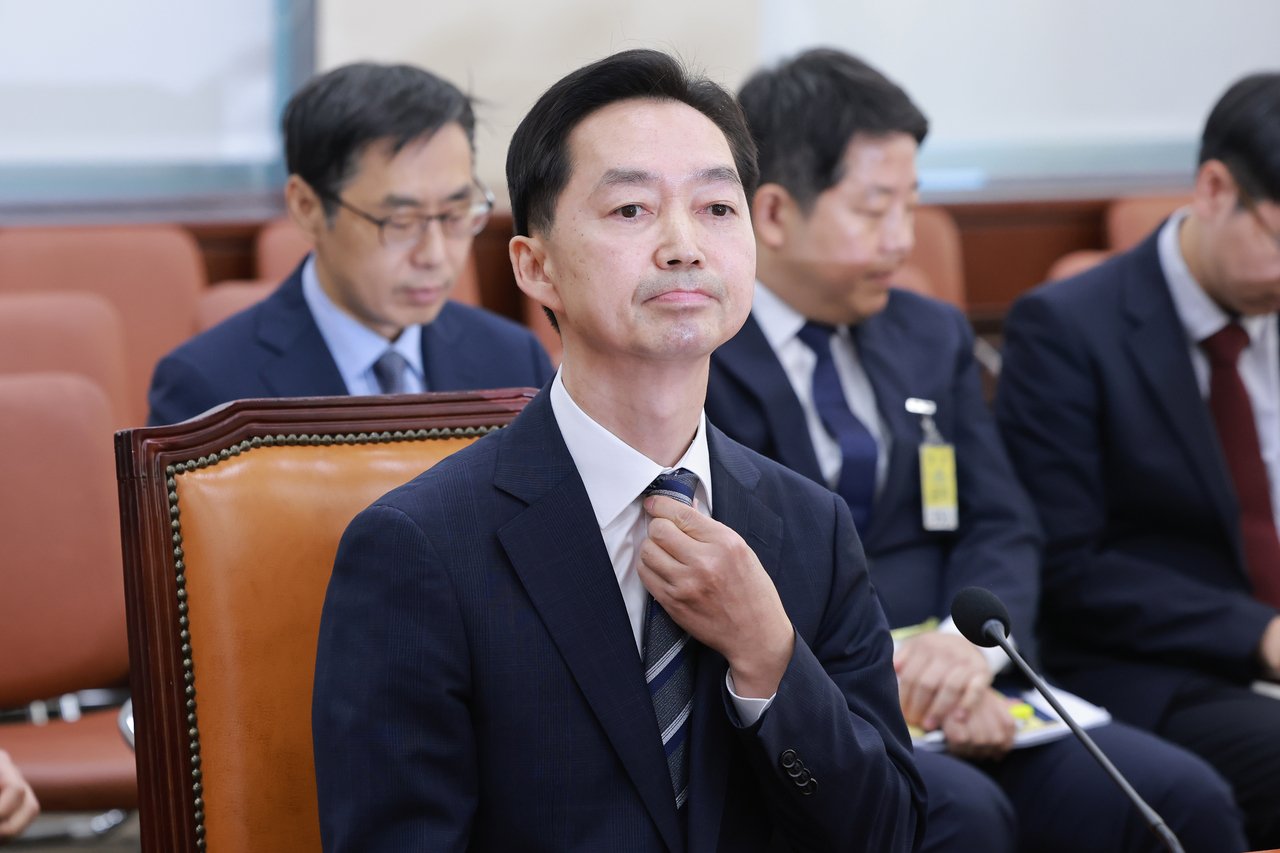
Asked Tuesday when the program would be expanded, Education Minister Choi Kyo-jin said there was a consensus within the selection council that eligibility for the support package should eventually be broadened.
He stopped short of providing a timeline, saying the timing “depends on how closely the universities designated today carry out their plans.”
The ministry nevertheless stressed that government funding for flagship regional national universities as a whole has nearly doubled.