
 KB News Desk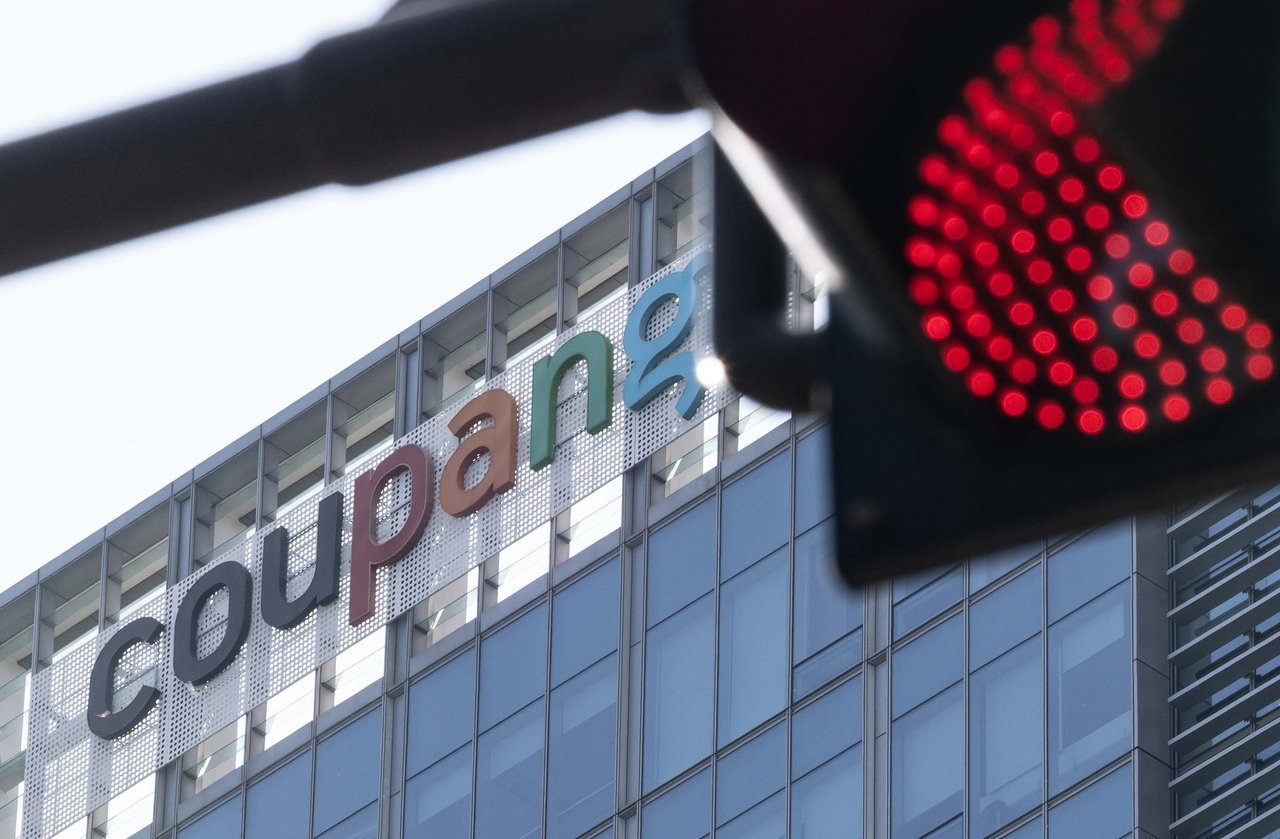
Regulator deploys 30 investigators under different law, sidestepping procedural dispute over earlier inspection
South Korea’s antitrust regulator sent about 30 investigators to Coupang’s Seoul headquarters Tuesday, taking the unusual step of reopening its probe under a different law just over a week after the e-commerce giant blocked an earlier inspection.
The renewed inspection marks a sharp escalation in the standoff between the Fair Trade Commission and Coupang, with the regulator deploying a large team and reportedly demanding records covering nearly a decade of business activities and transactions.
According to industry sources, investigators from the FTC’s market monitoring bureau are examining whether Coupang abused its dominant market position or interfered with other companies’ business activities in violation of the Fair Trade Act.
The FTC previously attempted to inspect Coupang between Aug. 19 and 21 over allegations that the company improperly shifted coupon costs onto suppliers in violation of the Act on Fair Transactions in Large Retail Business.
That inspection ended without investigators securing the requested materials after Coupang refused them entry, arguing that the regulator had failed to provide the legally required advance notice.
Under the large retail business law, authorities must notify a company in writing at least seven days before conducting an on-site inspection.
Coupang subsequently filed a lawsuit challenging the inspection, claiming that the FTC’s failure to provide notice made the action unlawful. A court is scheduled to hear the company’s request to suspend the earlier inspection order Wednesday.
The FTC’s latest move effectively sidesteps that dispute.
Unlike the large retail business law, the Fair Trade Act allows authorities to conduct on-site inspections without advance notice. By launching the new inspection under that law, the regulator removed the procedural argument Coupang had used to block the previous attempt.
The timing and scale of the operation have drawn attention from industry observers, who described the FTC’s response as unusually aggressive. Some questioned whether the expanded probe was partly intended to penalize Coupang for refusing to cooperate with the earlier inspection.
The FTC has not publicly characterized the action as retaliatory. The regulator had, however, already signaled that it would take a hard line against the company.
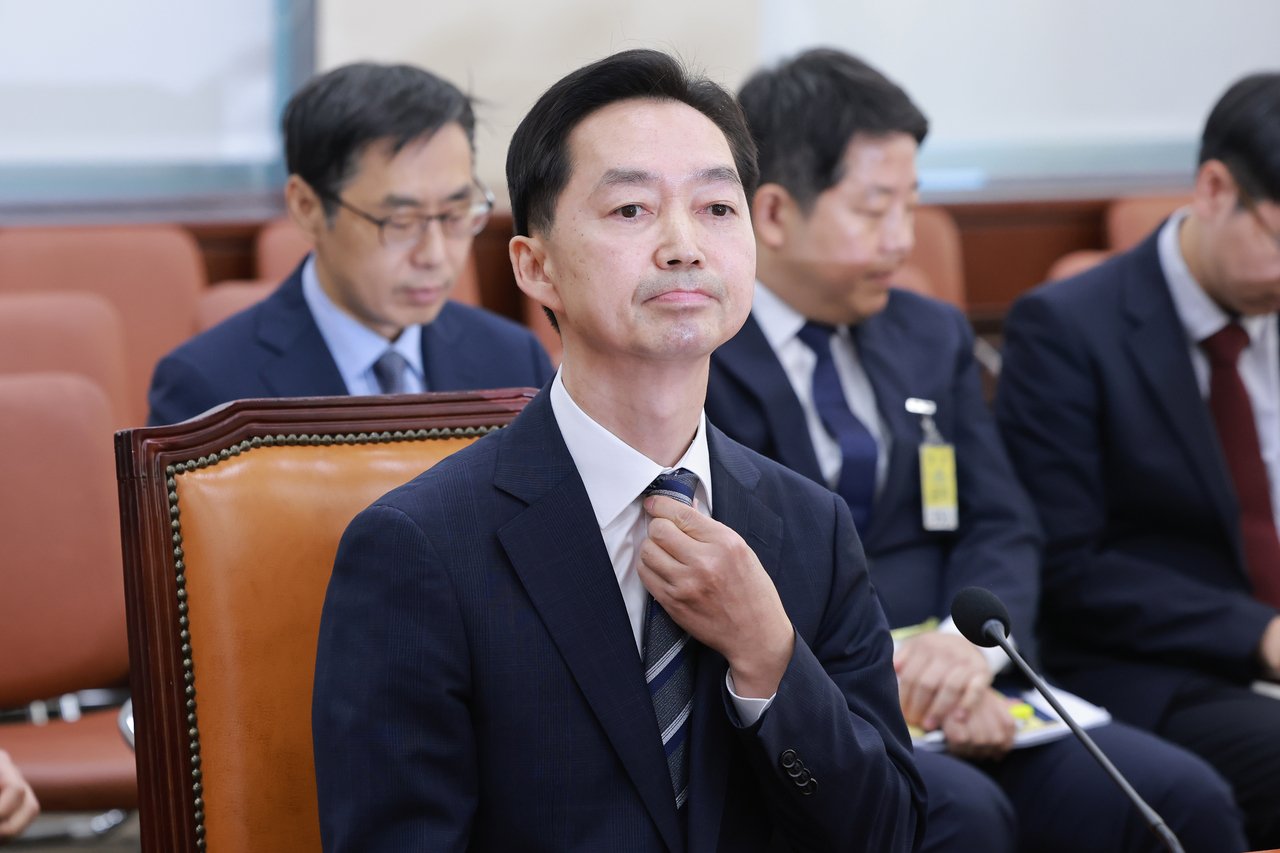
At a National Assembly hearing last week, FTC Chair Ju Biung-ghi said the agency would use all available measures in response to Coupang’s refusal, including filing a criminal complaint and imposing fines.