
 KB News Desk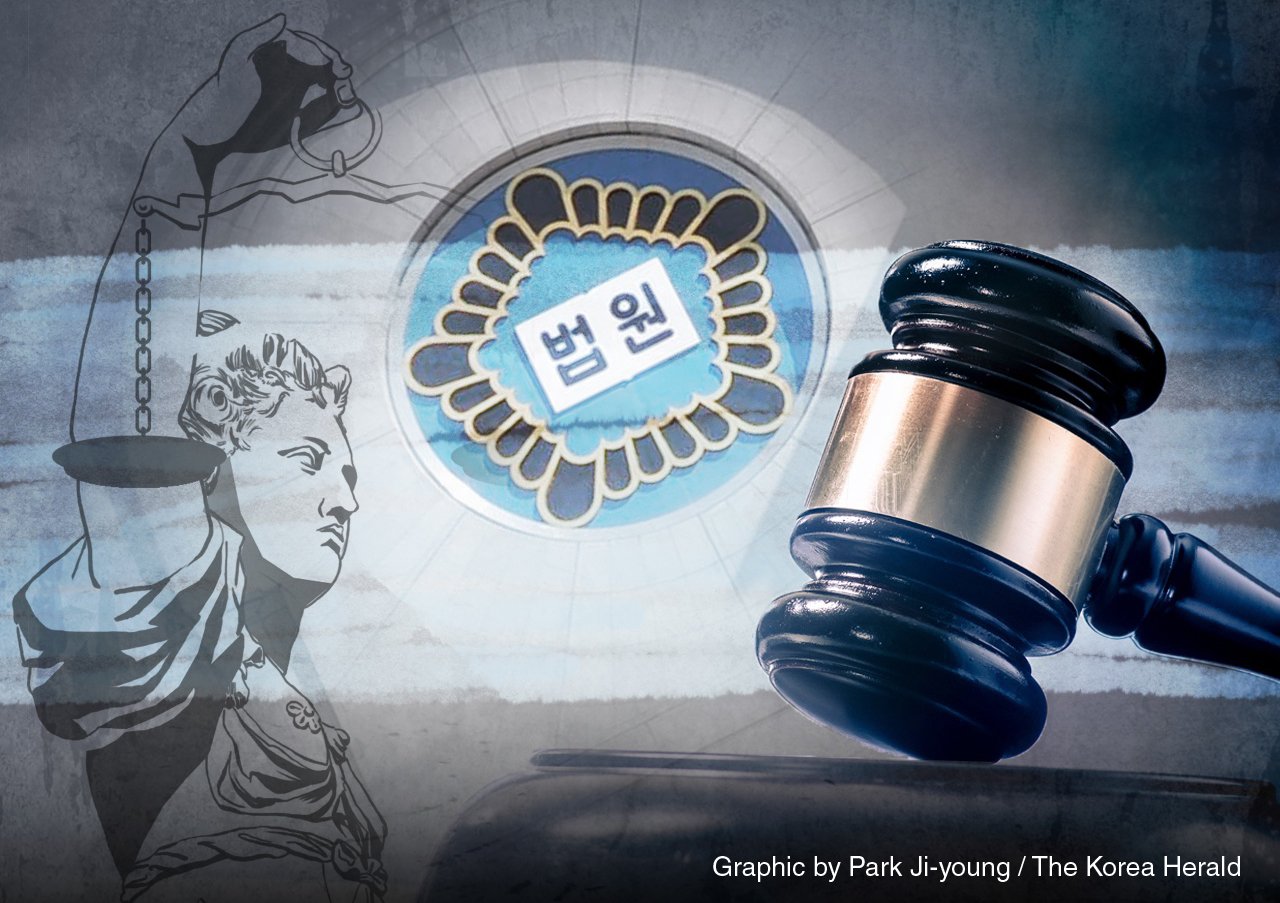
Prosecution overstepped investigative boundaries, Supreme Court says
The Supreme Court on Thursday confirmed the earlier dismissal of an indictment against two defendants in a drug trial, ruling it invalid due to unlawful legal process.
A college student surnamed Bae (23) and a doctor surnamed Lee (36) were convicted of violating the Narcotics Controls Act in the first-instance ruling in December 2024. The two are believed to have bought illegal substances from a drug ring called “kkanbu.” Many of the kkanbu’s members were attending prestigious universities in the greater Seoul area.
Lee was also accused of operating on seven patients on the same day he took the drugs.
But the appellate court rejected the indictment, as the initial case did not involve either defendant. They were not specified as suspects or witnesses, and were only identified when another suspect in the case mentioned Bae’s name during their confession.
The appellate court said the prosecution did not prove that the two defendants’ crimes were directly linked to the initial investigation. This violates Article 4 of the Prosecutors’ Office Act, which states that the prosecution may investigate crimes that are directly related to the specific crime recognized and transferred to the prosecution.
Police had not specified the two defendants as part of the drug crime when handing the case over to the prosecution.
The court said the prosecution should have sent the case back to the police upon this new revelation, as the police have primary investigation rights. It explained that this procedure is necessary to prevent the prosecution from launching an investigation without limits.
Regarding the earlier ruling, South Korea’s Supreme Court stated the appellate court had made no error in reaching this conclusion.
Some members of the illegal kkanbu were tried separately and convicted of drug crimes, including its 33-year-old leader, for whom the Supreme Court confirmed the sentence of 18 months in prison.