
 KB News Desk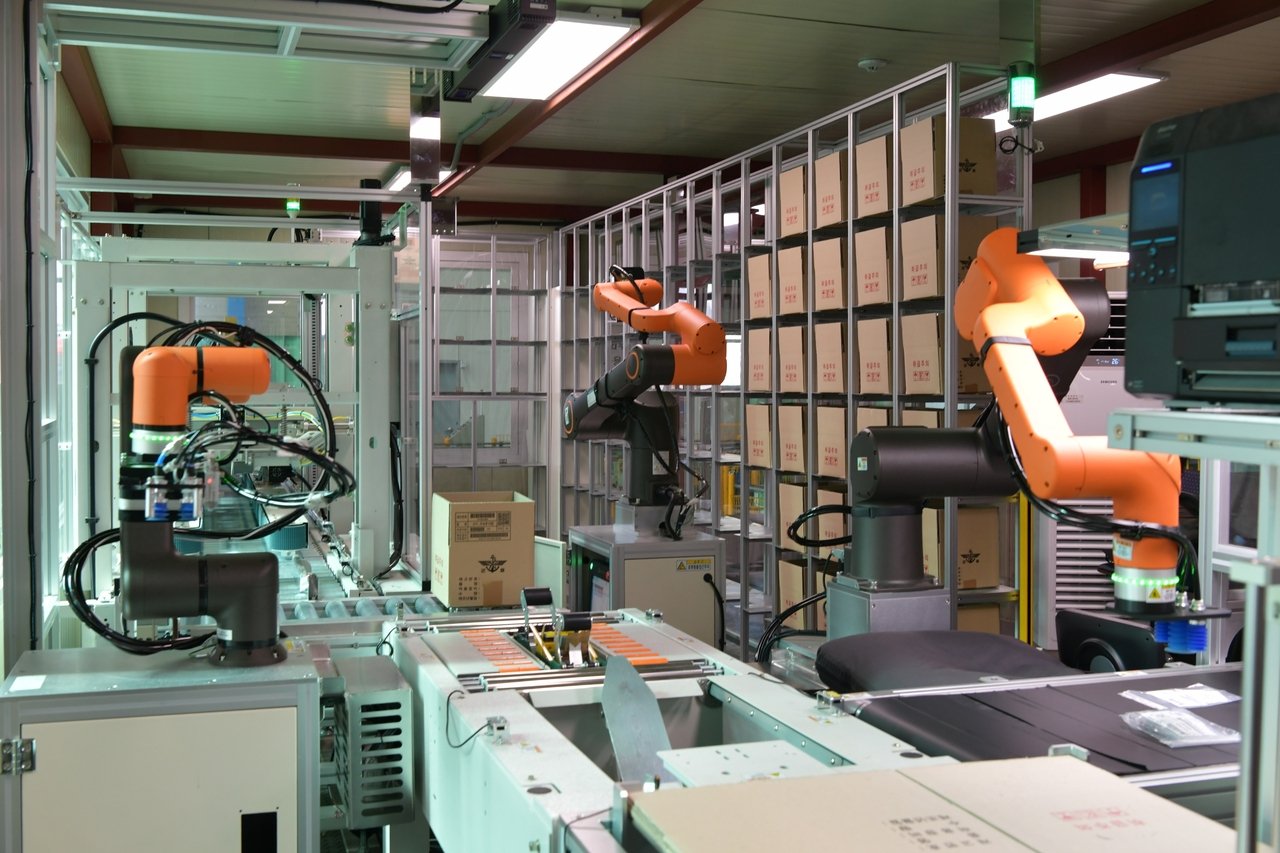
South Korea’s Army is looking to automate more of its field maintenance and logistics operations using artificial intelligence, robotics and autonomous systems, as the military prepares for a sustained decline in available personnel.
According to military officials Wednesday, Army Headquarters has commissioned a study on converting key maintenance functions to automated systems as part of efforts to build what it calls a “smart field maintenance support system.”
The project is tied to ArmyTiger L, the logistics component of the Army’s broader ArmyTiger initiative aimed at transforming its future force structure through advanced technologies.
The Army expects demographic decline to steadily reduce the number of personnel available for logistics and maintenance duties, increasing the need to make more efficient use of its workforce.
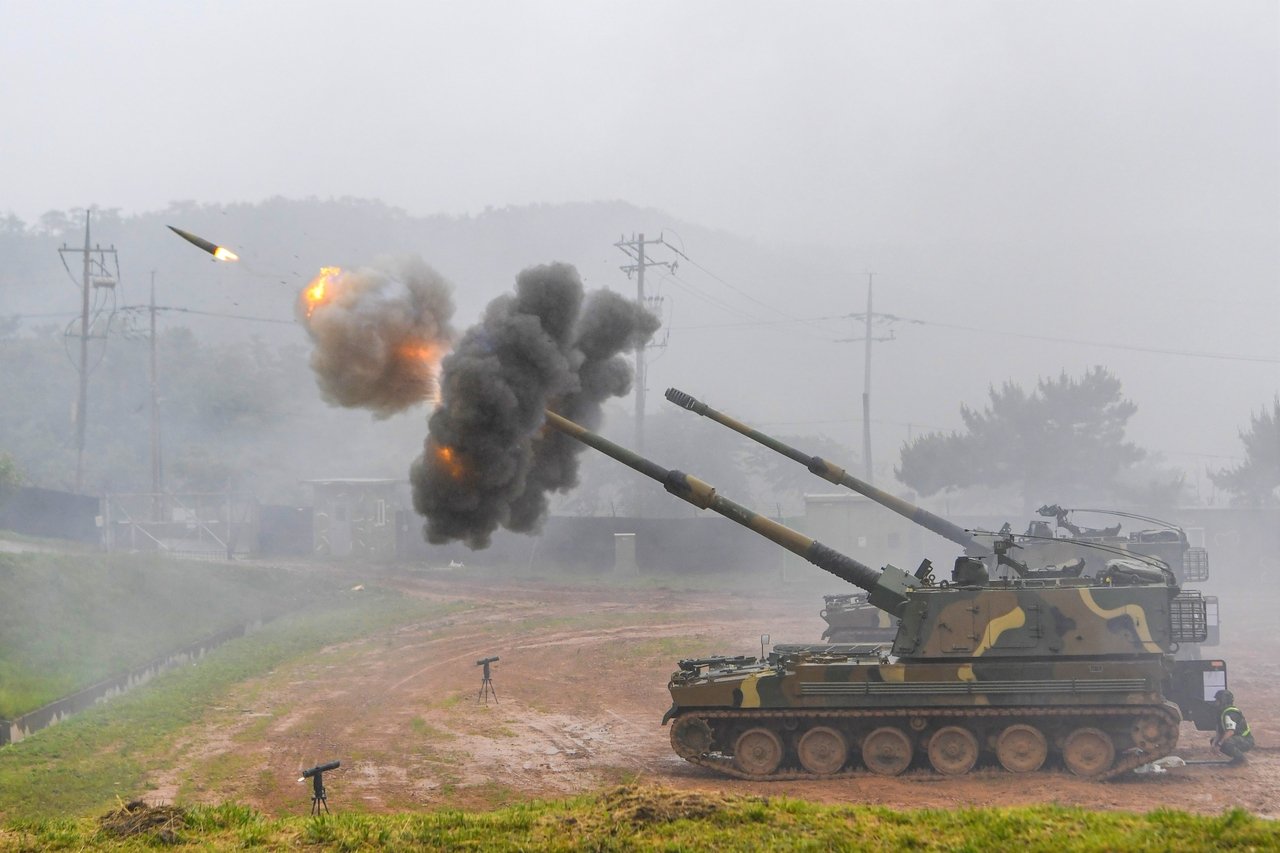
It also sees a widening gap between advances in combat platforms and the systems used to maintain them. While newer tanks, self-propelled howitzers and other weapons systems require fewer crew members to operate, maintenance and support operations have not undergone a corresponding reduction in staffing requirements.
Under the study, the Army will examine AI-based predictive maintenance using small language models and machine learning, as well as ways to automate maintenance information management.
It will also assess the use of civilian technologies, ranging from maintenance robots and automated tools to wearable strength-assist suits designed to reduce the physical burden on personnel.
For logistics operations, the Army plans to study automated storage and handling systems, drone delivery, autonomous transport vehicles and palletized load systems. Technologies will also be evaluated according to unit type and echelon, including infantry, armored, mechanized infantry and artillery units.
Some of the technologies are already being tested.
The Army’s 1st Supply Group unveiled a smart logistics center last week that has automated about 70 percent of its logistics processes. The Army said the system reduced on-site workforce requirements by about 16 percent while cutting average processing time from eight days to five.
Trials involving wearable robotic suits have also been underway at ammunition units since July, while transport drones and palletized load systems are being examined for broader military logistics applications.
“Through this study, we will distinguish between facilities and equipment that can be introduced immediately and capabilities that should be pursued over the medium and long term,” a military official said.
The official added that the Army aims to draw up short- and mid-term implementation plans and outline what a fully developed smart field maintenance unit should look like by 2040, with the findings to be reflected in future medium-term defense programs.