
 KB News Desk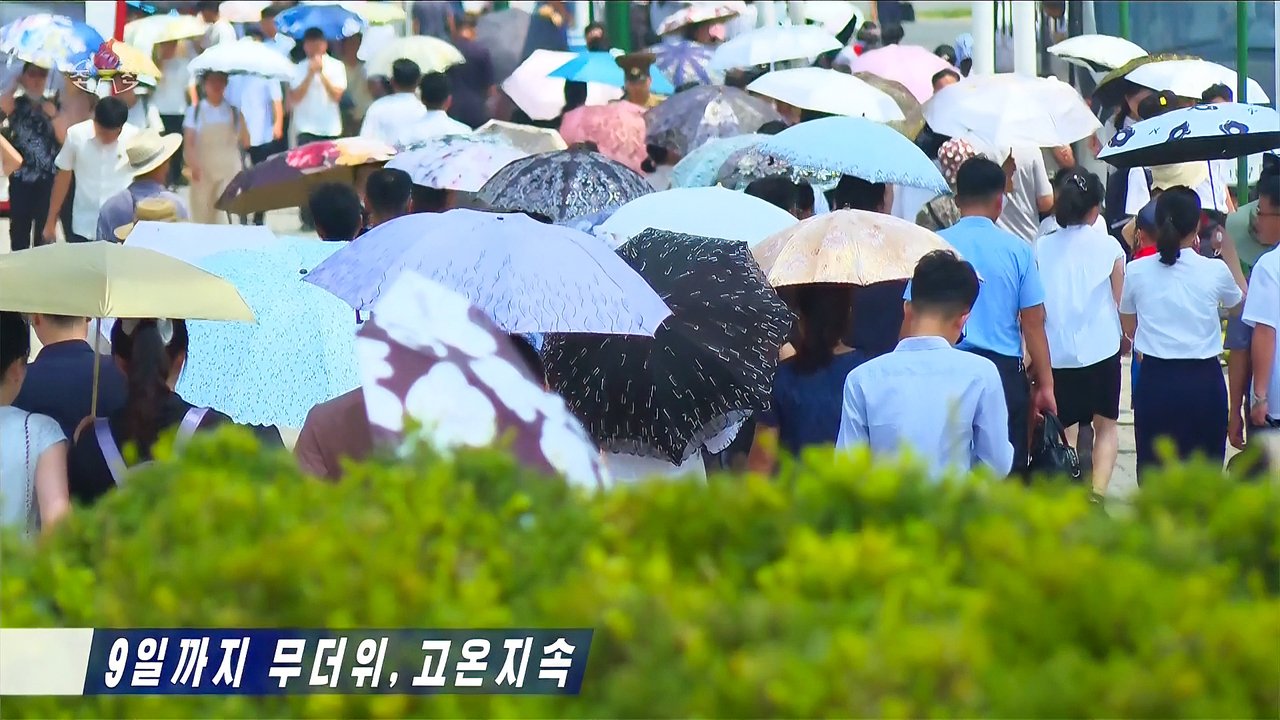
Heat waves, droughts and heavy rain linked to climate change could result in a “complex security crisis” for North Korea, affecting food supplies, healthcare systems and even military facilities, a South Korean defense researcher warned.
Son Hyo-jong, a research fellow at the Korea Institute for Defense Analyses, assessed in a recent report that rising temperatures and increasingly frequent droughts and downpours have heightened the country’s vulnerability to natural disasters.
From July 29 to Aug. 4, North Korea issued heat warnings in most of central and southern regions and some northern parts due to extreme heat.
In some central east coast areas, temperatures reportedly reached as high as 40 degrees Celsius.
Droughts have also become more frequent in North Korea, with the average interval shortening from about 40.9 months in 1981-2000 to 30.3 months in 2001-2020.
Son said agriculture and food security could be the first affected by natural disasters, potentially widening regional and class disparities, distorting food distribution and causing price instability.
Health risks could also intensify, as malnutrition from food shortages may coincide with waterborne diseases caused by flooding. North Korea’s shortages of medical facilities, medicine and trained personnel could limit its ability to respond, according to Son.
Lastly, natural disasters can also affect energy and military facilities, Son said. Droughts may impair hydroelectric power generation while increasing electricity demand for irrigation, potentially leaving less power for homes, factories and munitions plants.
Floods and typhoons could also directly damage industrial, military and munitions facilities near rivers and coastlines.
North Korean authorities have also heightened warnings. Rodong Sinmun, the ruling Workers’ Party newspaper, said July 3 that the country could face more severe heat, flooding and drought this year, adding, “There is no such thing as an absolutely safe or inviolable area.”