
 KB News Desk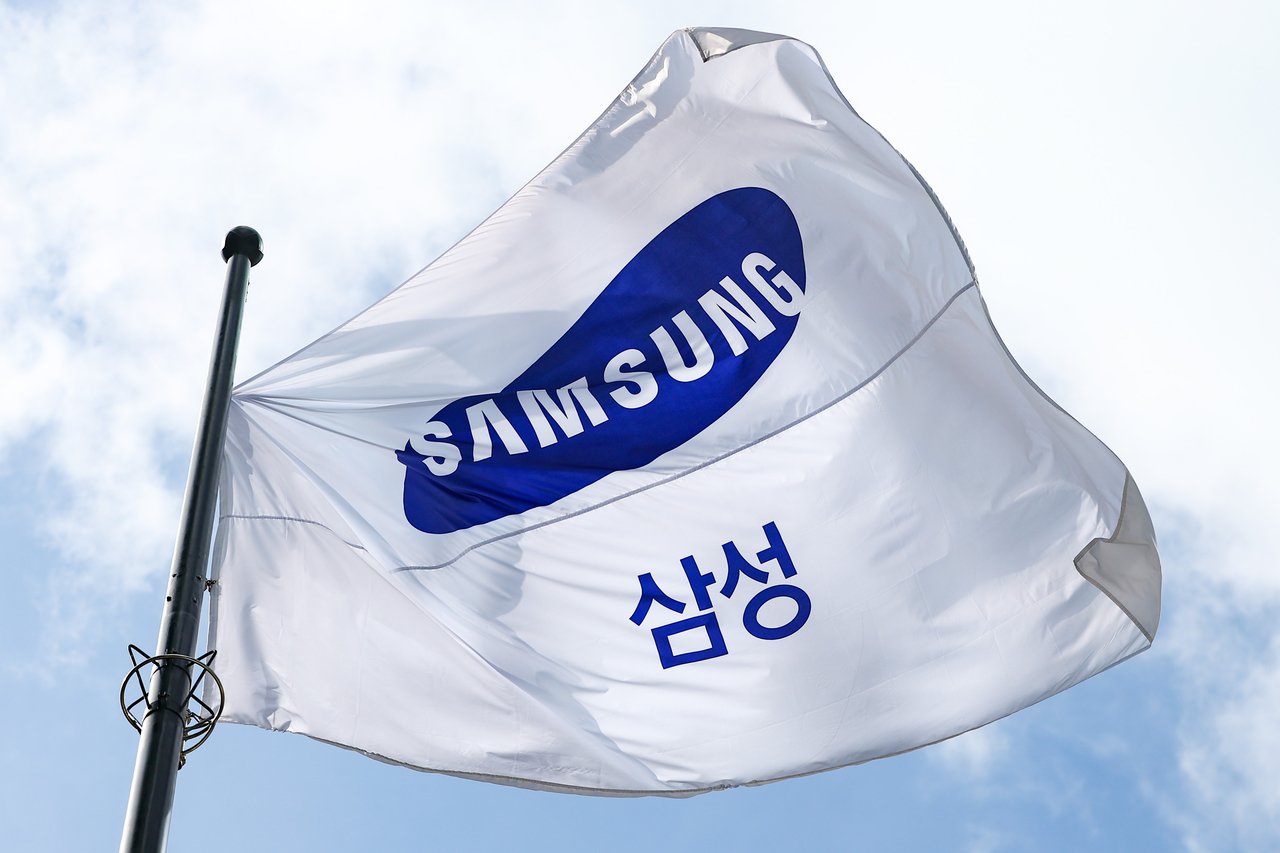
Board discusses additional payout as AI memory boom doubles net cash
Samsung Electronics’ swelling artificial intelligence memory profits and cash pile are fueling expectations of its first special dividend in six years, shifting investor attention to how much the tech giant could return under its next shareholder-return program.
Park Soon-cheol, Samsung Electronics’ chief financial officer, confirmed during the company’s second-quarter earnings call on July 30 that the board and management were discussing the next program.
“We are discussing specific implementation measures, including a special dividend, and our next shareholder-return policy with the board and management,” Park said. “We will share the details soon with shareholders who have placed their trust in us and waited patiently.”
The discussions come as booming demand for AI memory chips drives Samsung’s earnings and cash generation to new heights.
Samsung posted second-quarter revenue of 171.5 trillion won ($121.2 billion) and operating profit of 89.5 trillion won. Cash generated from operations exceeded 145 trillion won in the first half, while net cash — cash holdings minus borrowings — reached 167.59 trillion won at the end of June, roughly double the amount from a year earlier.
Under its current 2024-2026 shareholder return policy, Samsung distributes 50 percent of free cash flow while maintaining annual regular dividends of about 9.8 trillion won.
“Samsung is seriously considering a special dividend,” an industry source familiar with the matter said. “The discussion has moved to the scale of the additional payout and the balance between a special dividend and share buybacks.”
Samsung last announced a major special dividend in 2020, distributing 10.7 trillion won left over after completing its previous three-year shareholder return program. The company paid a special dividend of 1,578 won per common share. Combined with its regular annual dividend of 1,416 won, the total payout reached 2,994 won per share.
Six years later, Samsung’s renewed cash surge has revived expectations of another one-off payout. But dividends are only one option, with share buybacks and cancellations also under consideration.
KB Securities estimates that Samsung’s next shareholder return program could amount to between 100 trillion won and 200 trillion won annually.
Kim Dong-won, head of research at KB Securities, said that even at the lower end of that range, Samsung’s dividend yield could exceed 7 percent at its current share price, potentially providing a catalyst for a rerating.
Other memory chipmakers are also increasing shareholder returns as the AI boom strengthens their cash-generating capacity.
SK hynix plans to finalize and announce additional shareholder return measures in the third quarter, bringing forward a decision previously expected later in the year. The company has said it intends to allocate 50 percent of free cash flow to shareholder returns.
Micron Technology said in June that it would increase capital returns beginning in December and eventually return all “excess cash” remaining after investments and other business needs are met.
Japan’s Kioxia introduced a progressive dividend policy in June and said it would consider further returns using excess free cash flow.
“The AI memory supercycle has lifted memory chipmakers’ cash-generating capacity to levels rarely seen in the past, giving them much greater room to pursue investment and shareholder returns at the same time,” an industry source said.