
 KB News Desk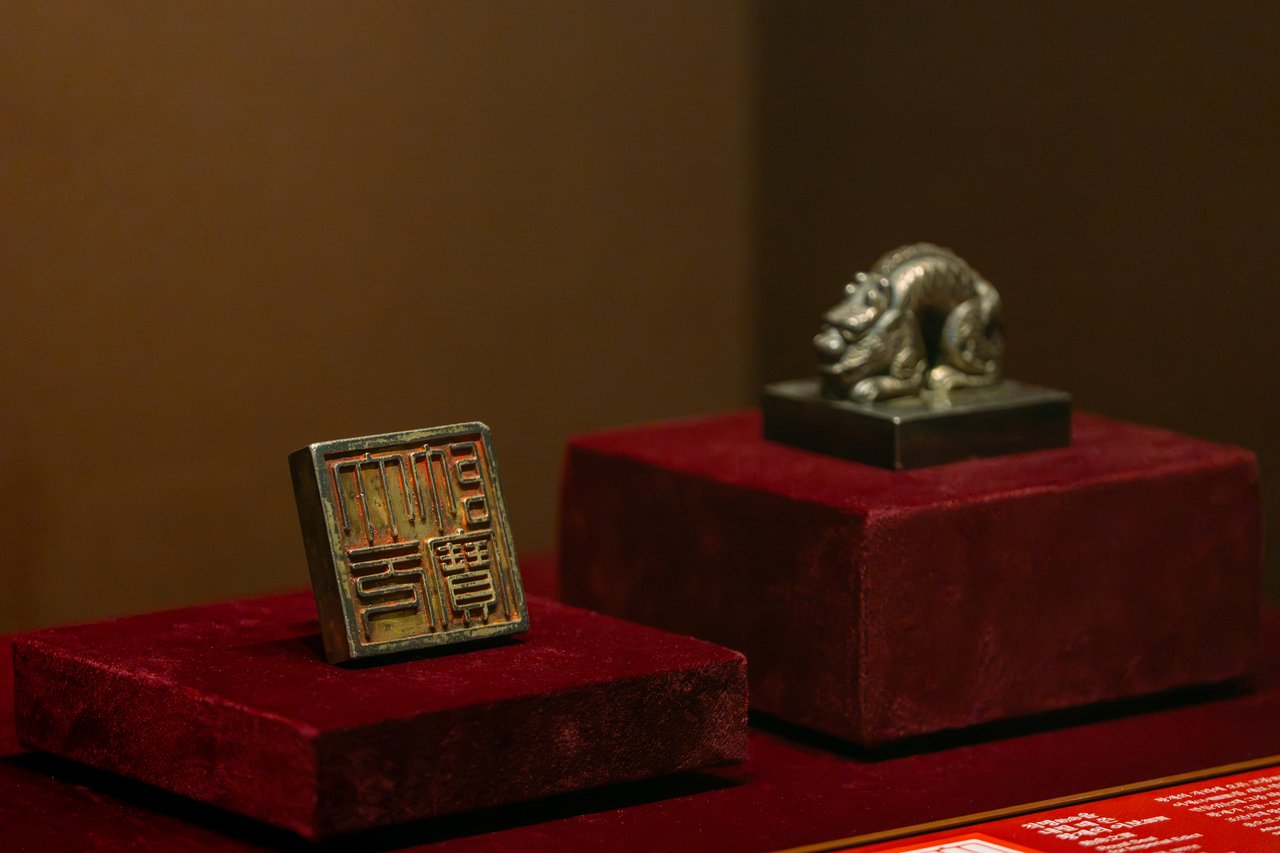
A portrait of Emperor Gojong, Korea’s oldest surviving national flag, or Taegeukgi, and relics of early independence activists have returned to public view as the National Museum of Korea reopened its renovated gallery dedicated to the Korean Empire (1897-1910) on Thursday.
Located on the first floor of the museum’s permanent exhibition wing, the gallery brings together 65 objects, including seven state-designated treasures.
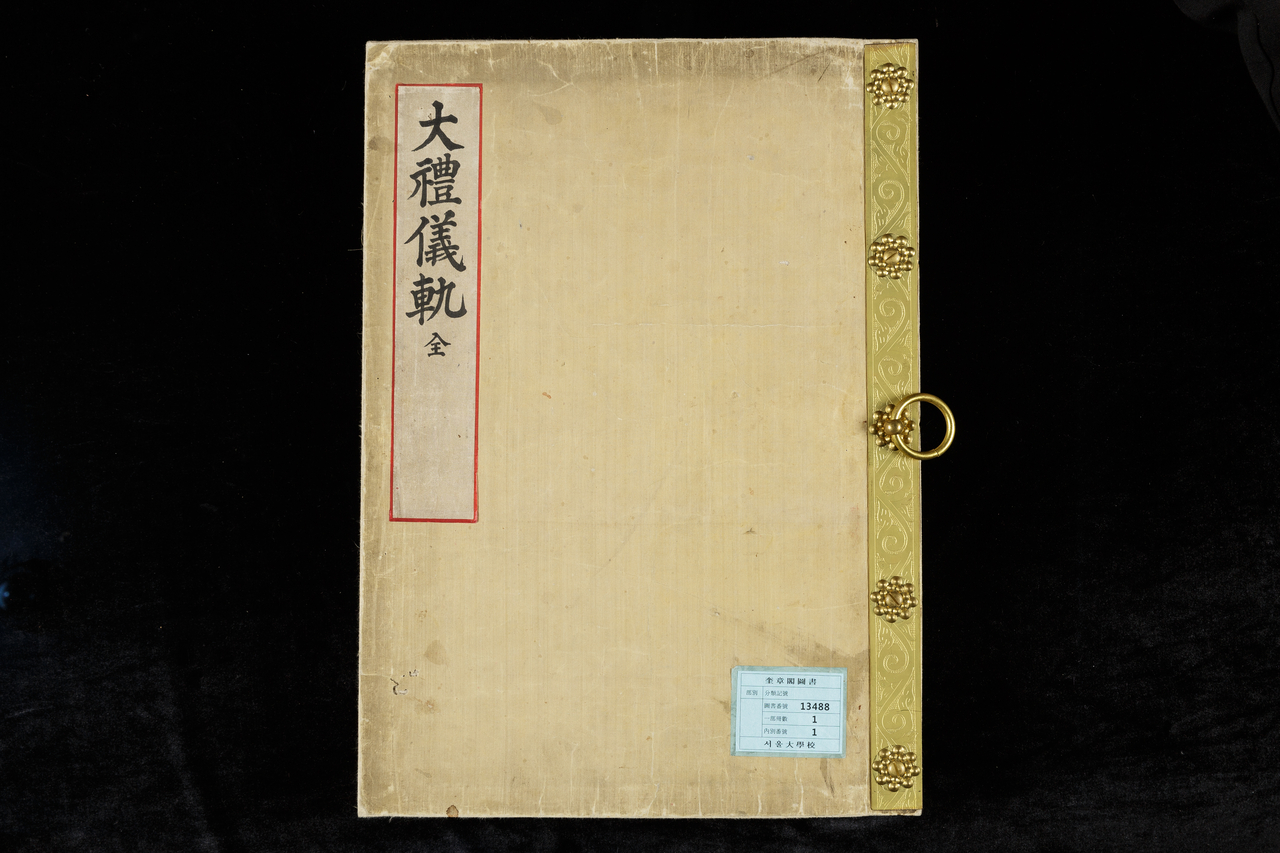
Among the highlights are three royal seals and the “Uigwe,” or royal protocol, documenting Gojong’s enthronement as emperor illustrate the establishment of the Korean Empire in 1897.
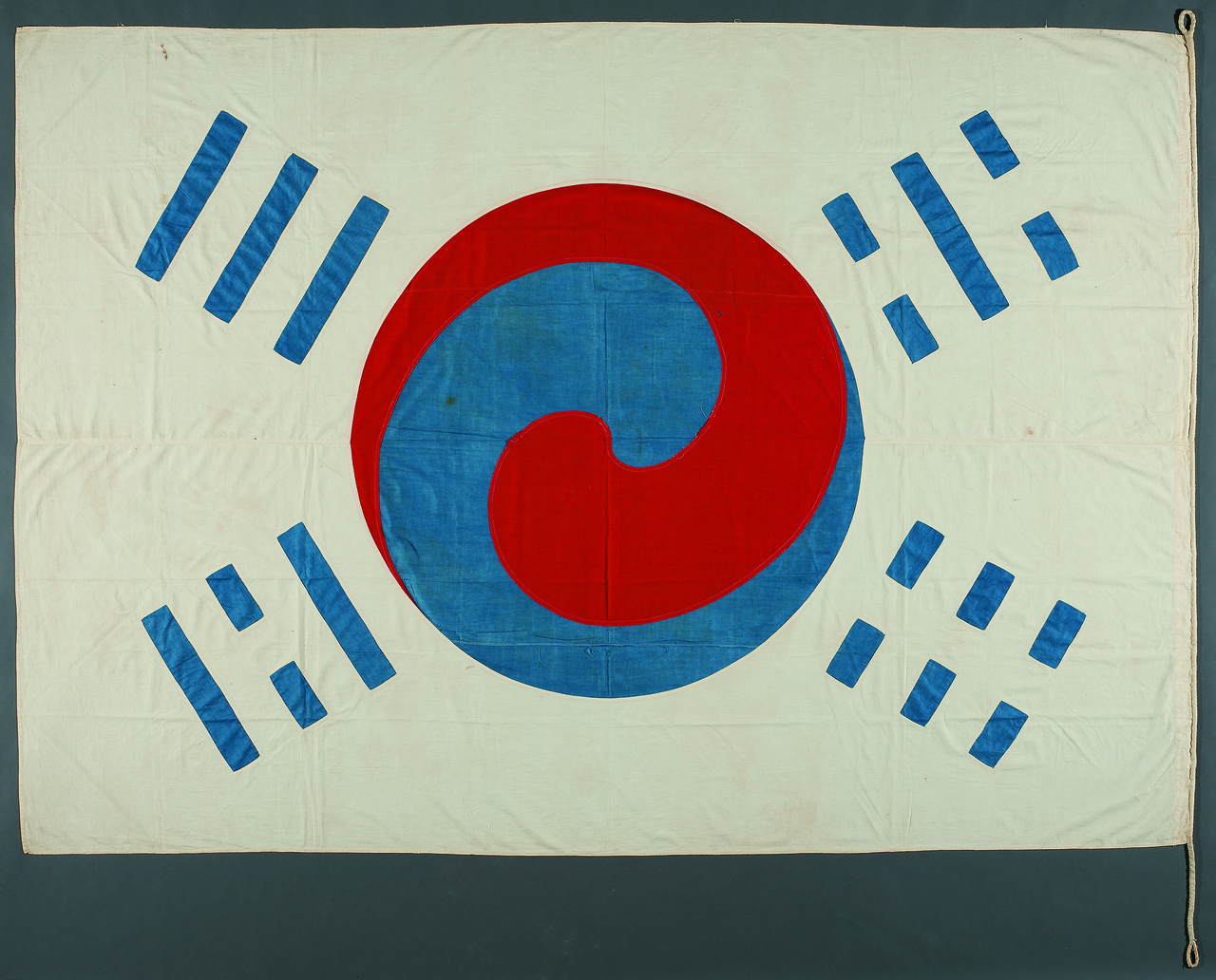
The gallery also features the oldest Taegeukgi extant in Korea, a national treasure recognized as the oldest and largest surviving Korean flag. It was presented by Gojong to American diplomat Owen N. Denny, who served as a diplomatic adviser to the king.
The Korean Empire was proclaimed by King Gojong, who assumed the title of emperor in an effort to affirm Korea’s sovereignty and transform the Joseon Kingdom into a modern independent state in 1897.
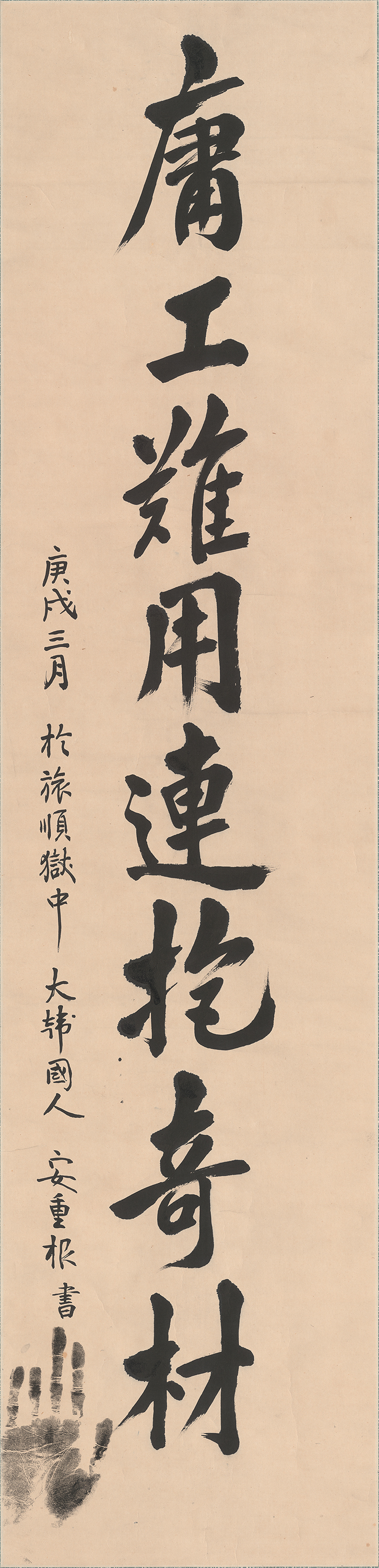
A calligraphic work by independence activist Ahn Jung-geun and objects related to Min Yeong-hwan, who took his own life in protest against the 1905 Japan-Korea Protectorate Treaty, trace resistance to Japan’s encroachment.
A copper inscription and a silver foundation plate discovered during the 1996 demolition of the Japanese colonial government-general building are on public display for the first time.