
 KB News Desk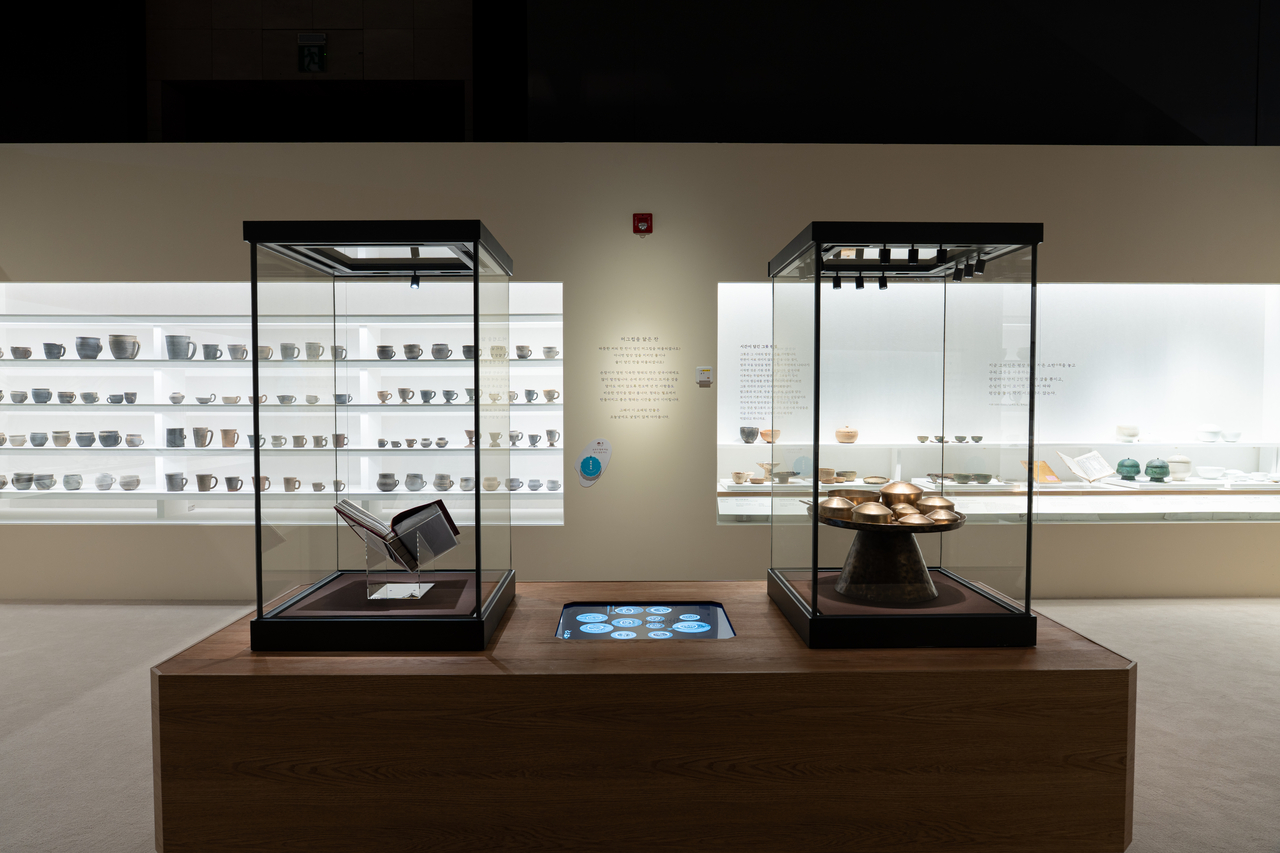
In Korea, “Have you eaten?” has long served as a greeting, while countless expressions — from “sikgu,” meaning family and derived from the phrase “people who share meals,” to idioms built around the dining table — reveal how deeply food is woven into everyday language and relationships.
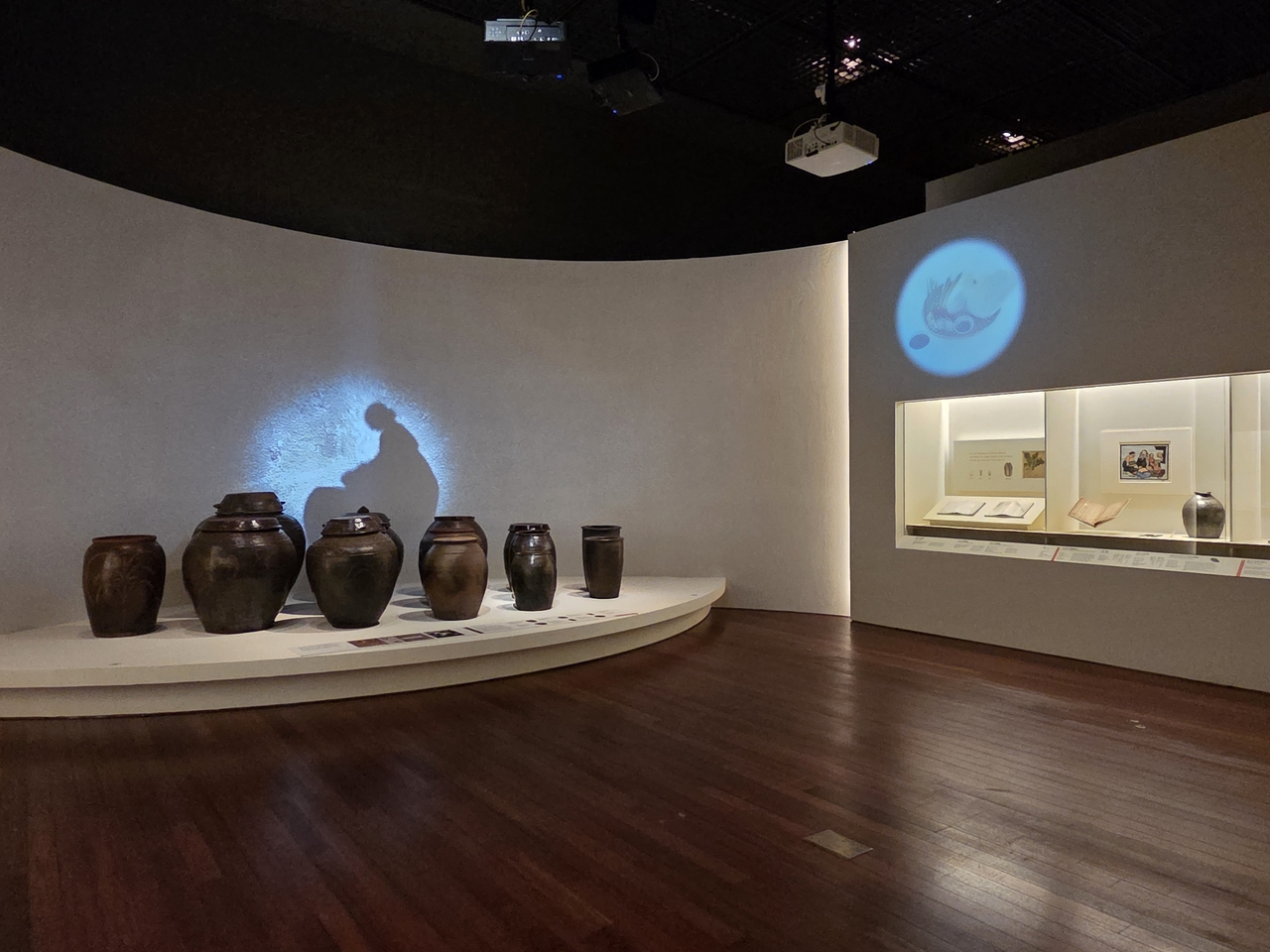
The new exhibition “The Korean Table: Food, Nature, and Life” at the National Museum of Korea explores the history of Korean dining culture and food through some 450 artifacts, paintings and immersive installations.
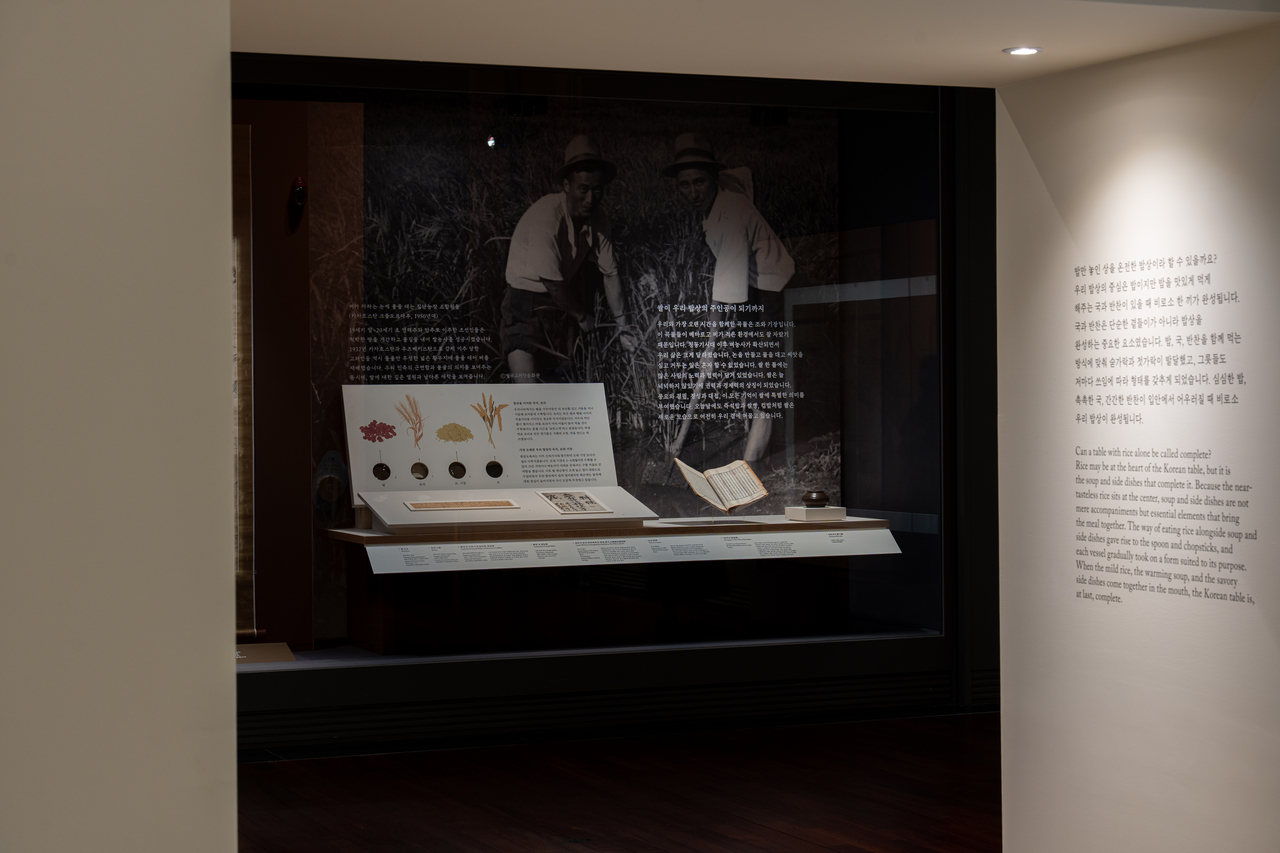
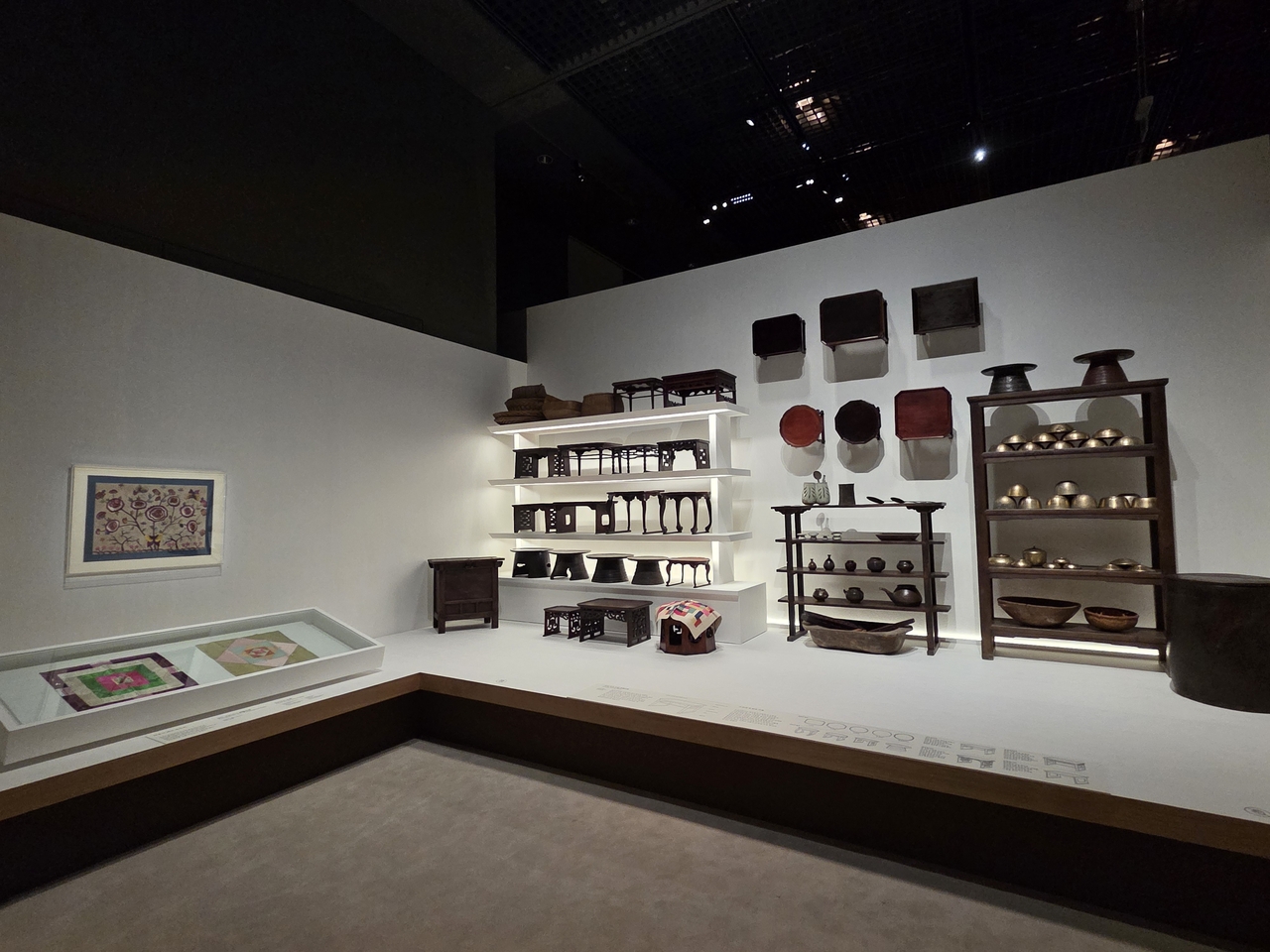
The exhibition traces how the Korean table has evolved alongside everyday life, seasonal rhythms and family.
When did Koreans begin cultivating rice? Among the highlights of the exhibition are charred rice grains unearthed from a Bronze Age dwelling site in Heunam-ri, Yeoju, in 1979, and a fifth-century portable hearth that offers a glimpse into how people cooked rice during the Three Kingdoms period.
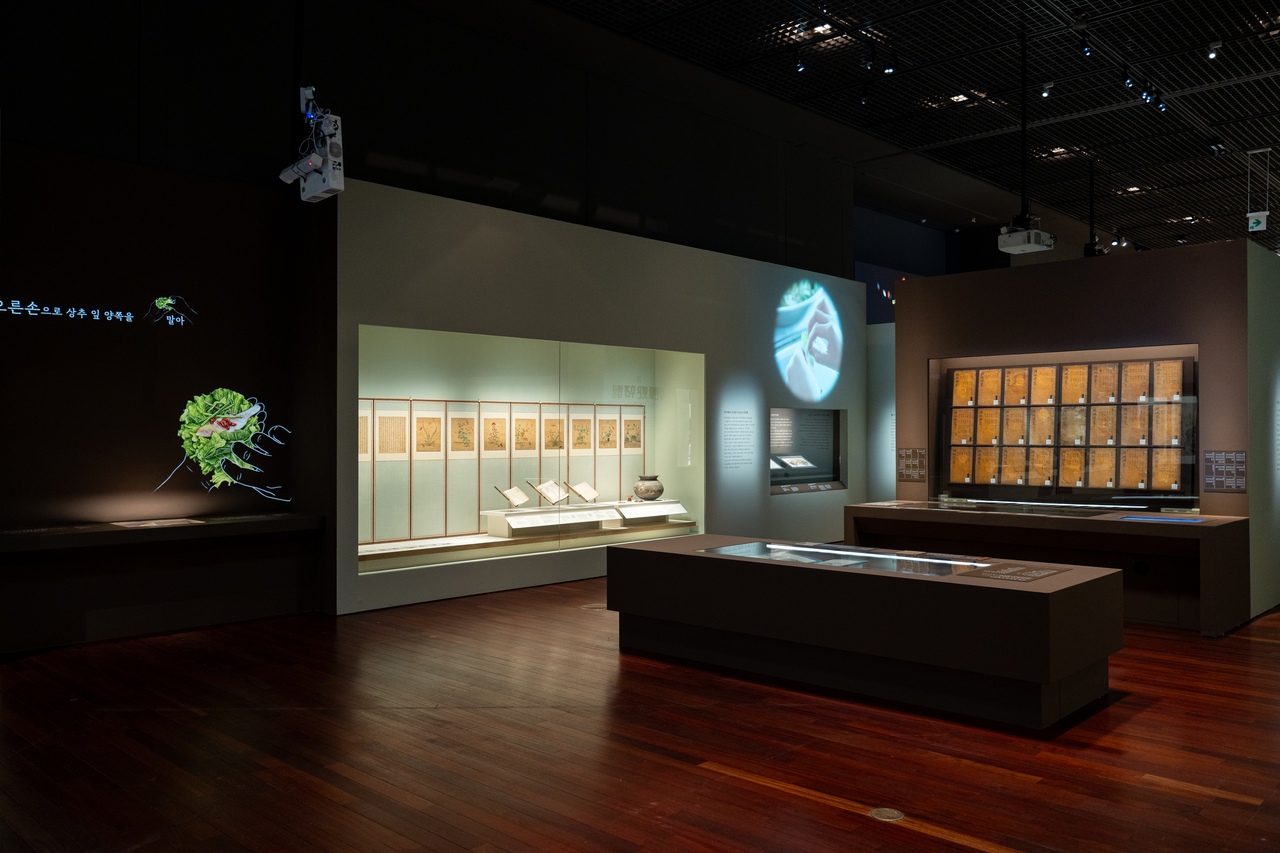
The exhibition also features “Domundaejak,” or “Treatise on Gourmet Delights,” a 17th-century essay by Joseon writer Heo Gyun that vividly records regional delicacies and culinary culture across Korea.
The book provides insight into the ingredients and foods commonly enjoyed during the Joseon era.
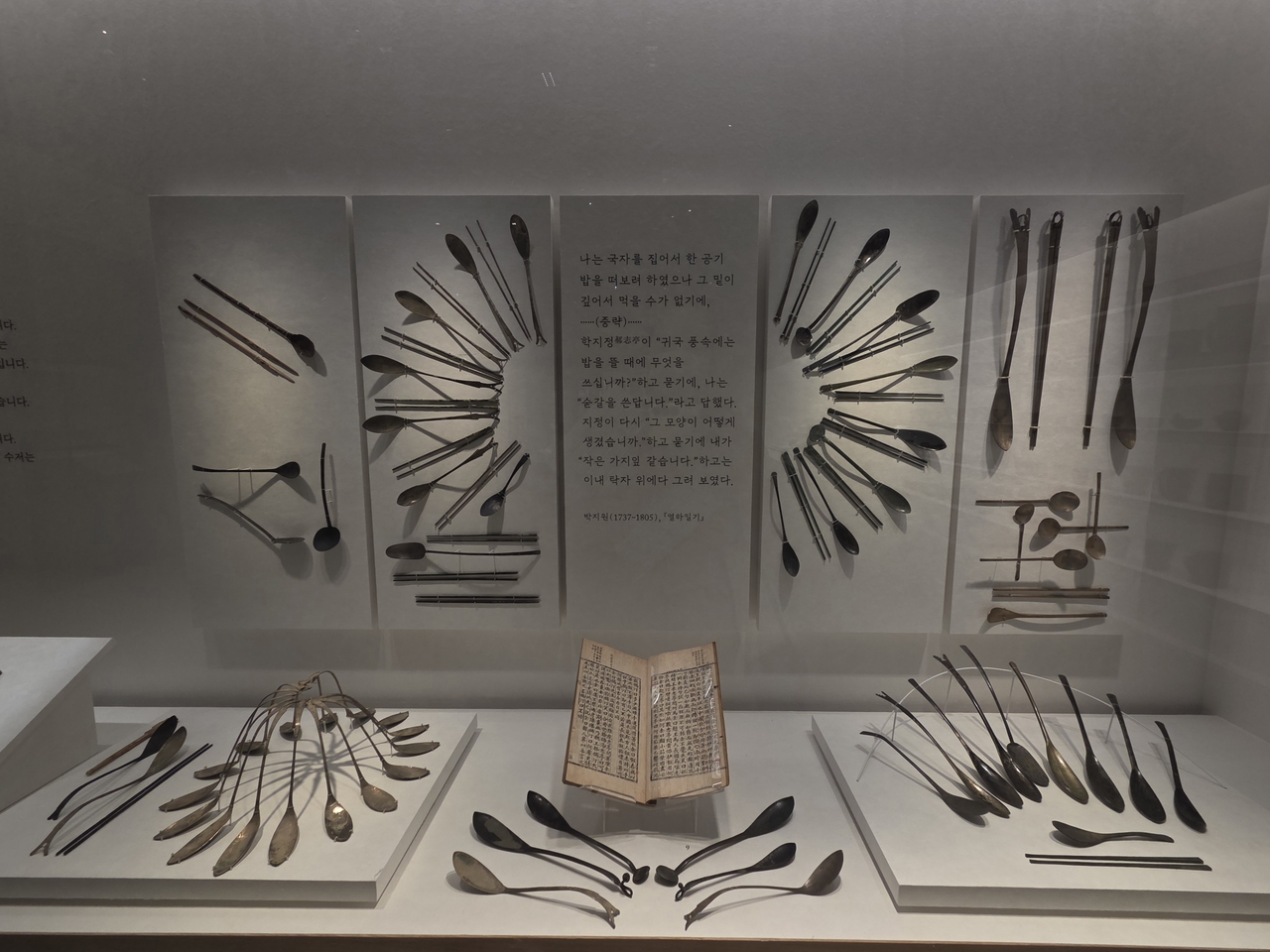
Distinctive features of Korean tableware are also introduced — Korea is the only country in East Asia to have traditionally used metal spoons, while its flat, metal chopsticks have evolved into a uniquely Korean form, according to the museum.
The exhibition runs through Oct. 25.