
 KB News Desk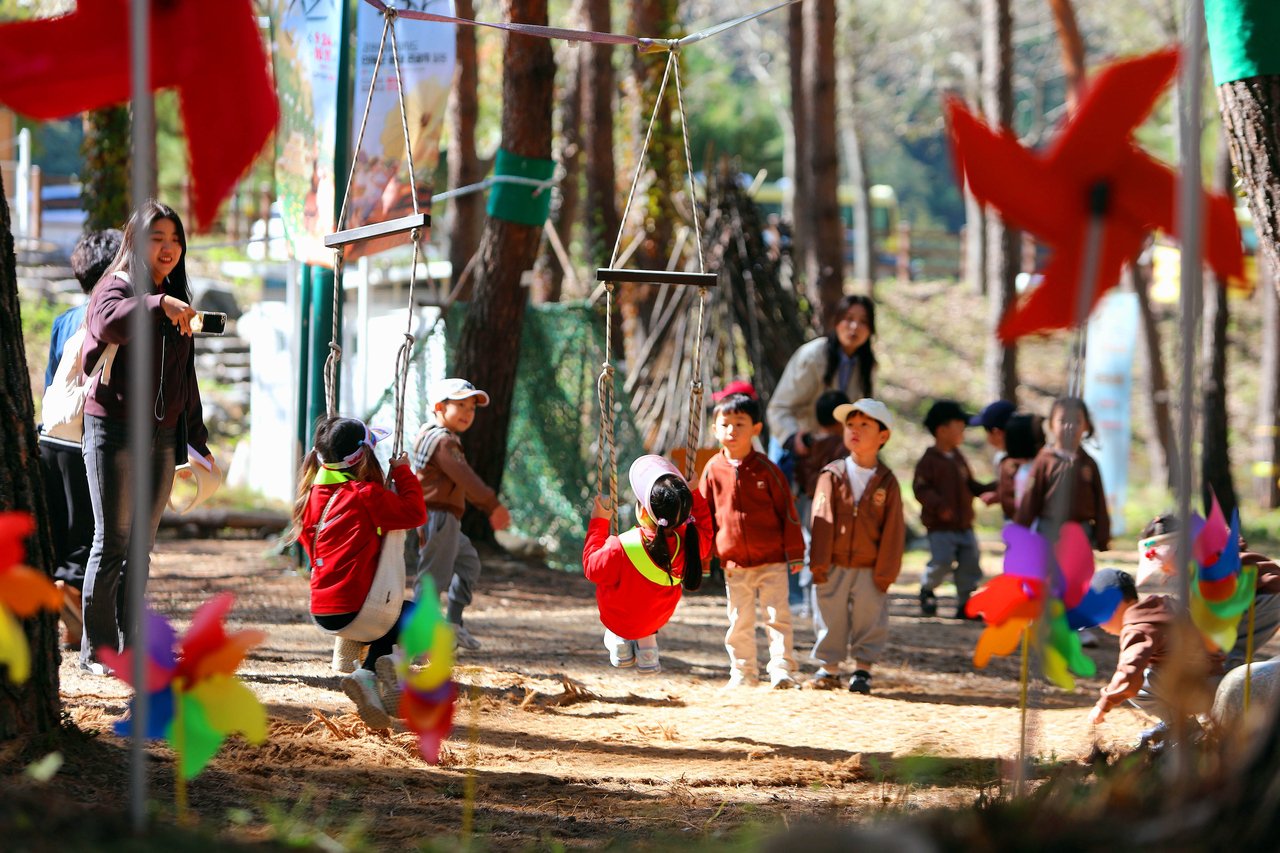
A 35-year-old father of two, ages 2 and 4, has waited 18 months for a place for his younger child at a public daycare center in Gwangjin-gu, Seoul.
“My child is No. 285 on the waiting list. Most of the parents waiting for places have children aged 0 to 2,” said the father, who asked not to be named. “My wife works part time to care for our children, so our household income has fallen.”
He filed a complaint with the Gwangjin District Office, questioning why it had not anticipated child care demand when a new apartment complex was built.
Privately operated and home-based daycare centers offer alternatives to public facilities, but parents say finding an available place along their commuting routes can also be difficult.
“If you apply as soon as your baby is born, a place usually opens up around their first birthday,” said a mother in Dongjak-gu, Seoul, who is expecting her second baby next year.
The parents’ accounts suggest that a nationwide decline in daycare centers does not necessarily make places easier to find locally, especially for infants.
The number of daycare centers in South Korea fell for the 12th consecutive year from a 2013 peak of 43,770 to 26,064 in 2025 — a decline of about 40 percent. The total was also 4.8 percent lower than in 2024, according to Ministry of Health and Welfare data.
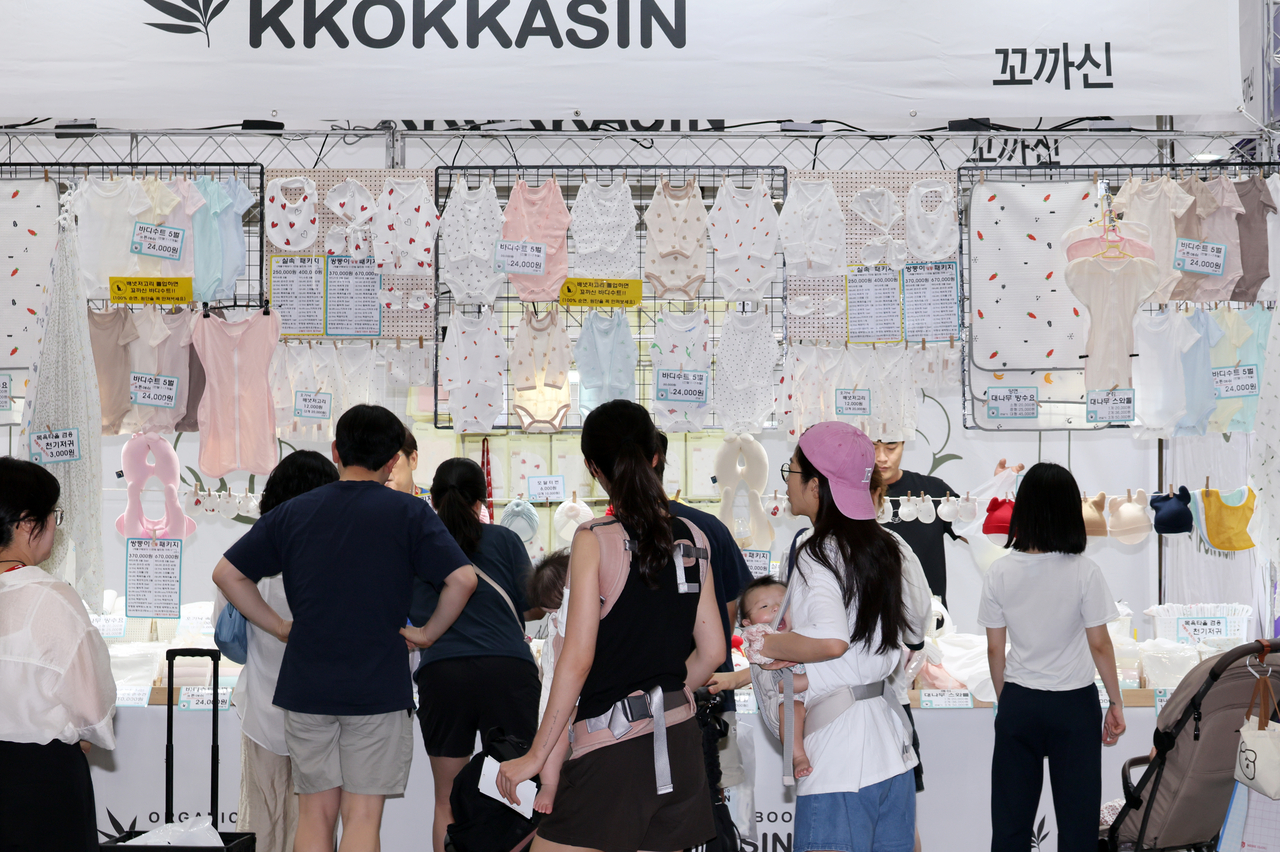
Falling enrollment squeezes centers, especially infant classes
“The government’s expansion of free childcare in 2013 led to a surge in enrollment, including among infants who might otherwise have been cared for at home, and the number of home-based childcare centers grew sharply,” said Choi Hyo-mi, a senior research fellow at the Korea Institute of Child Care and Education.
“As the number of children continues to fall, centers struggle to meet the minimum enrollment required to qualify for government subsidies and cover teachers’ salaries, leading to closures.”
Declining enrollment is not the only challenge facing daycare centers. A former operator in her late 60s, who closed her home-based center in Bundang, Gyeonggi Province, in 2018, described other pressures.
“As more mothers have only one child, their expectations have grown. I also think excessive negative media coverage of accidents and child abuse at daycare centers, along with frequent complaints, has made running a center difficult,” she said.
In 2015, CCTV footage from a daycare center in Incheon showed a teacher hitting a 4-year-old girl for not finishing her food. The incident sparked national outrage and prompted legislation requiring surveillance cameras in daycare centers.
Rebounding birthrate
Births in South Korea rose for a second consecutive year in 2025, increasing 6.7 percent to 254,341, even as the number of daycare centers continued to fall.
The Ministry of Education plans to allow public daycare centers to limit operations to infants aged 0 to 2, instead of requiring them to serve both infants and older children.
The proposed legal amendment is open for public comment and could take effect as early as next year, according to a ministry official.
Responsibility for childcare was transferred from the Ministry of Health and Welfare to the Ministry of Education in June 2024.
“Older children can attend kindergartens, but access to care appears to be a particular problem for children aged 0 to 2, especially in newly developed towns,” the official told The Korea Herald. “We aim to improve access by allowing public daycare centers to operate with infant classes only.”
While the number of privately operated, social welfare corporation-run and home-based daycare centers has declined, public centers have continued to increase, rising 3.4 percent to 6,745 last year from 6,521 in 2024.