
 KB News Desk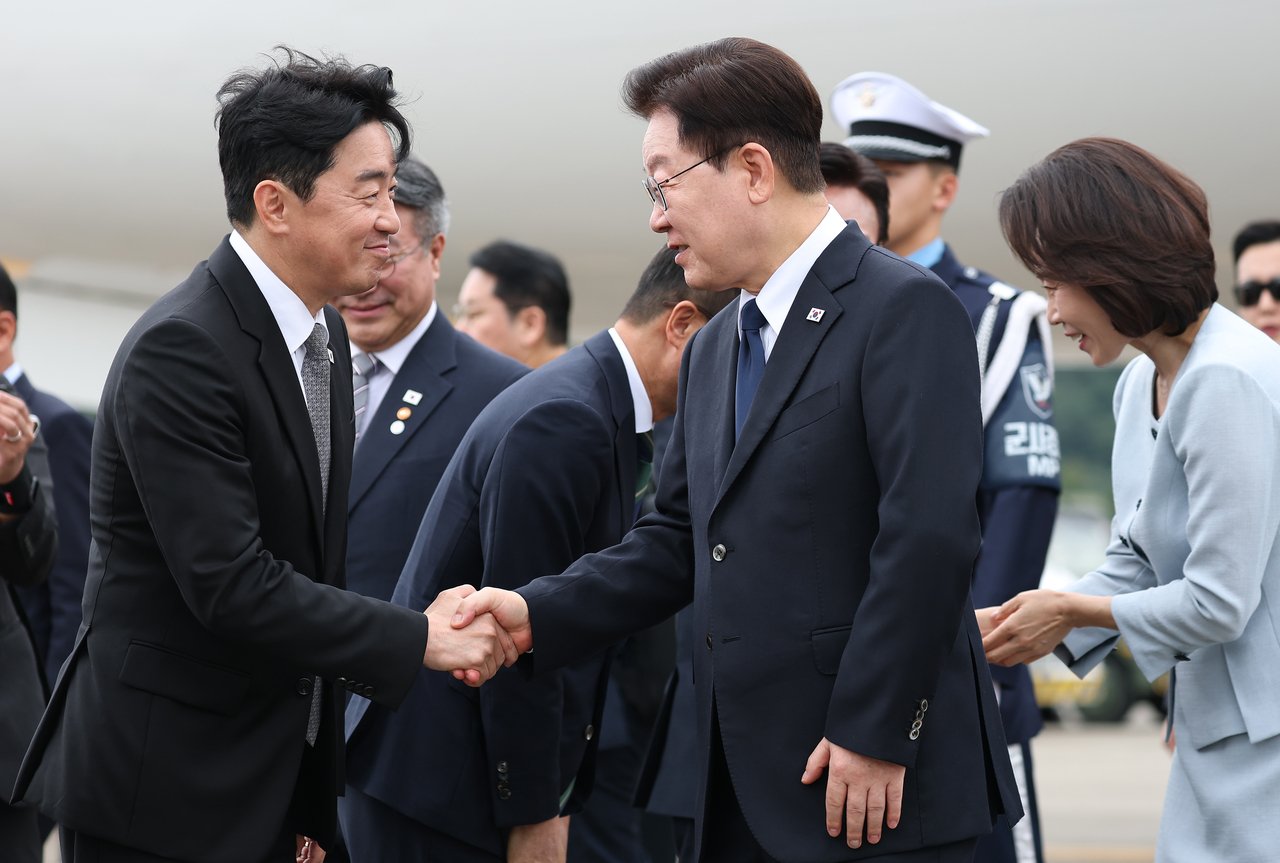
Lee’s approval rating plunges 7 points to 43%, lowest since inauguration
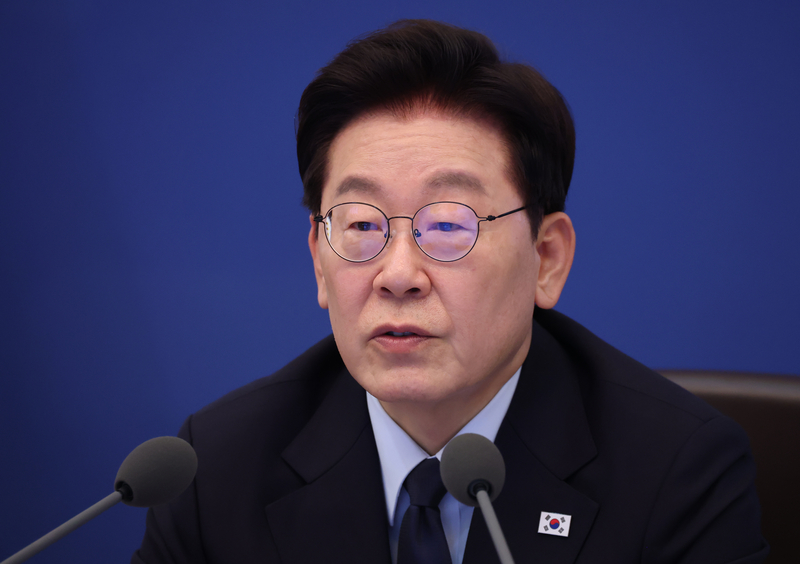
President Lee Jae Myung returned from France on Thursday to a sliding approval rating as domestic challenges escalate and high-stakes alliance decisions draw closer.
At home, controversies surrounding two Cabinet nominees have deepened amid growing criticism from the opposition, blunting the effect of a Cabinet reshuffle intended to help reset the administration.
Abroad, Lee faces consequential decisions over a possible troop deployment to the Strait of Hormuz and South Korea’s first investment project in the United States. However, progress remains slow in separate security negotiations over nuclear cooperation — another key pillar of the Korea-US Joint Fact Sheet.
Though this combination leaves Lee with little room for delay on several politically sensitive fronts, he nevertheless returned from France with notable diplomatic gains.
His state visit produced agreements with President Emmanuel Macron to deepen cooperation in security, artificial intelligence and nuclear energy. The two leaders also launched a major Korea-France initiative to invest in the film and audiovisual industries at the inaugural Lumiere Summit.
A new opinion poll released Thursday, however, underscored the political challenge awaiting him at home, undercutting hopes that his summit diplomacy might provide the turning point his administration needs to reverse the decline in public support.
Lee’s approval rating sharply dropped to 43 percent from 50 percent in the previous survey, according to the National Barometer Survey, conducted jointly by major local pollsters Embrain Public, Kstat Research, Korea Research and Hankook Research.
The figure marked Lee’s lowest approval rating in the NBS since he took office in June 2025, while putting his negative rating of 48 percent above his positive rating for the first time in the joint survey.
The survey of 1,002 adults was conducted by phone from Monday through Wednesday, overlapping with Lee’s state visit to France.
Lee’s political base balks at Hormuz
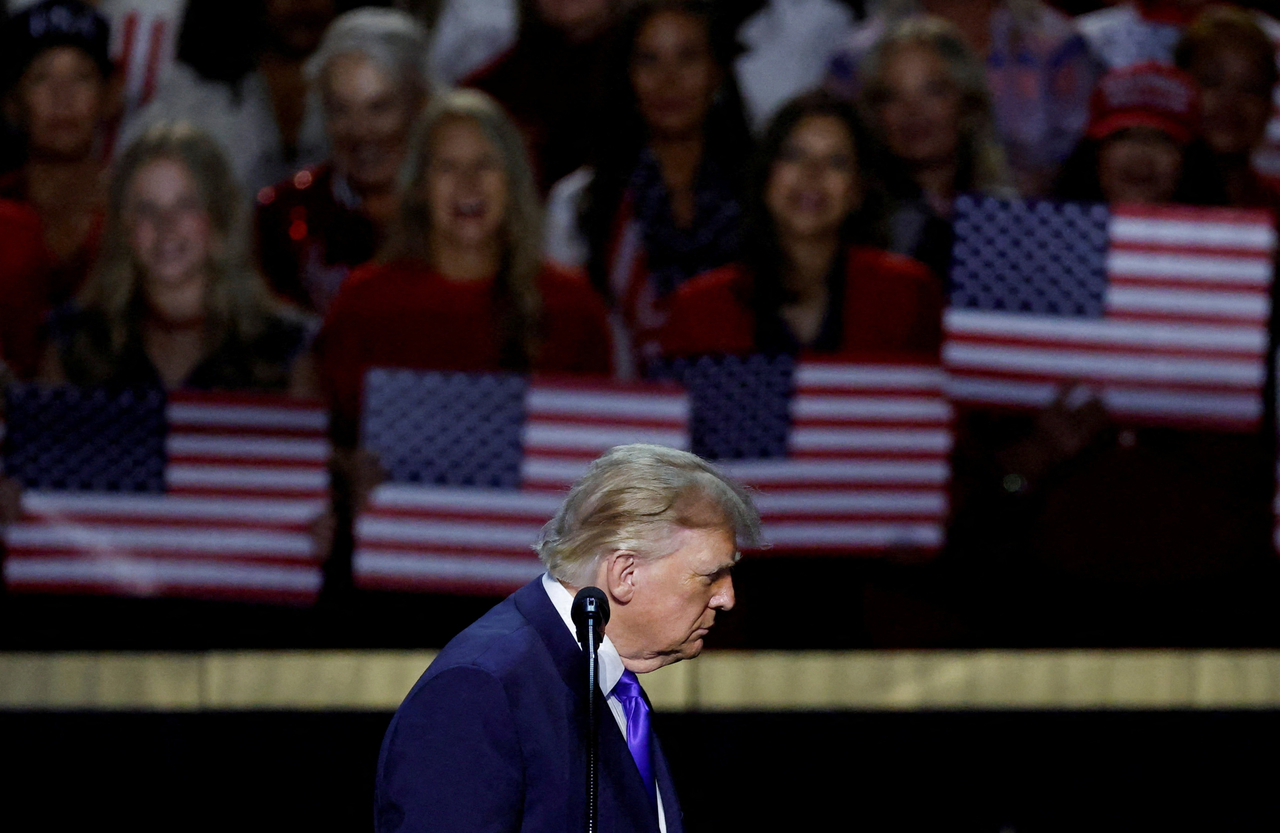
One of the most pressing decisions now confronting Lee is how South Korea should respond to growing US calls, ahead of the Nov. 3 midterm elections, for a contribution to its efforts in the Strait of Hormuz.
The Lee administration is weighing a range of options for making a “substantive contribution,” including a possible military deployment to the strait, through which about 70 percent of South Korea’s crude oil imports from the Middle East pass.
But the domestic political arithmetic points in the opposite direction.
The NBS survey found that 45 percent opposed sending assets such as a maritime patrol aircraft or logistics support ship to the Strait of Hormuz, compared with 36 percent who supported doing so.
Even among supporters of the ruling Democratic Party of Korea, opposition outweighed support, with 55 percent against a deployment and 31 percent in favor.
That leaves Lee balancing the strategic importance of the waterway and demands from Washington against skepticism at home, including within his own political base.
Seong Ghi-hong, senior presidential secretary for public relations and communication, reiterated Thursday that the government was not limiting its review of options to a troop deployment.
Asked what other options were being considered, Seong said, “There could also be forms of technical support.”
“We could wisely explore other ways of contributing that do not involve deployment.”
An assessment team dispatched to the United Arab Emirates over the weekend to examine conditions on the ground returned Thursday, and is expected to submit its findings to the National Security Council, marking a further step in the government’s review
At the same time, Seoul is seeking to wrap up follow-up negotiations with Washington over its US investment commitments as the government aims to announce its first investment project this month.
A roughly $22 billion gas-fired combined-cycle power plant in Encinal, Texas, has emerged as the leading candidate, although the government has stressed that negotiations have yet to be finalized.
However, the negotiations have become more complicated as the scale of projects sought by Washington has grown, according to a recent closed-door briefing by the Industry Ministry to the National Assembly.
Projects proposed by the US side were reported to carry a combined price tag exceeding the $200 billion available for strategic investments — and potentially even the broader $350 billion investment package, which includes $150 billion for shipbuilding — forcing Seoul to determine which projects to pursue and how much to commit to each.
Lee’s Cabinet nominees face overwhelming rejection
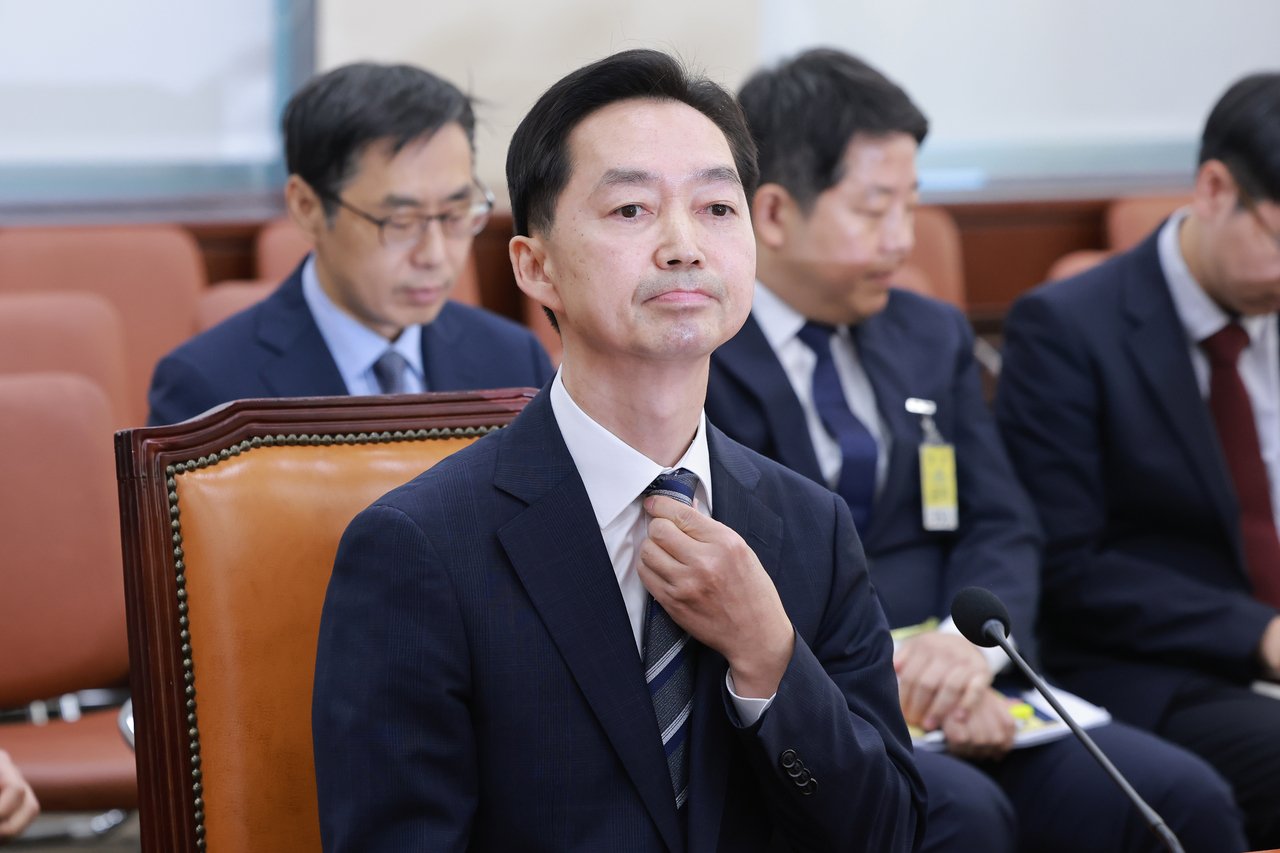
Controversies surrounding Justice Minister nominee Rep. Kim Seung-won and Gender Equality and Family Minister nominee Rep. Yong Hye-in have continued to shadow a Cabinet reshuffle intended to help Lee regain governing momentum.
The NBS findings suggest the controversy has penetrated well beyond partisan attacks from the opposition. Only 24 percent of respondents said Kim’s nomination was a good choice, while 47 percent said it was a poor one.
Public judgment was even more lopsided over Yong: Just 17 percent viewed her nomination favorably, compared with 63 percent who said Lee had made the wrong choice.
Kim has come under renewed scrutiny over allegations that he improperly sought to help expedite regulatory review of a COVID-19 treatment in 2021.
Yong, meanwhile, has faced criticism over her intention to retain her proportional-representation seat in the National Assembly if appointed minister. Critics argue that serving simultaneously in the Cabinet could leave a de facto gap in her legislative duties and runs against separation of powers.
Scrutiny has also extended to the operation of Yong’s Basic Income Party after it emerged that her husband, Park Ki-hong, was elected to the party’s supreme council and had been receiving a salary as a party official, fueling criticism that the party has effectively become a “family-run party.”
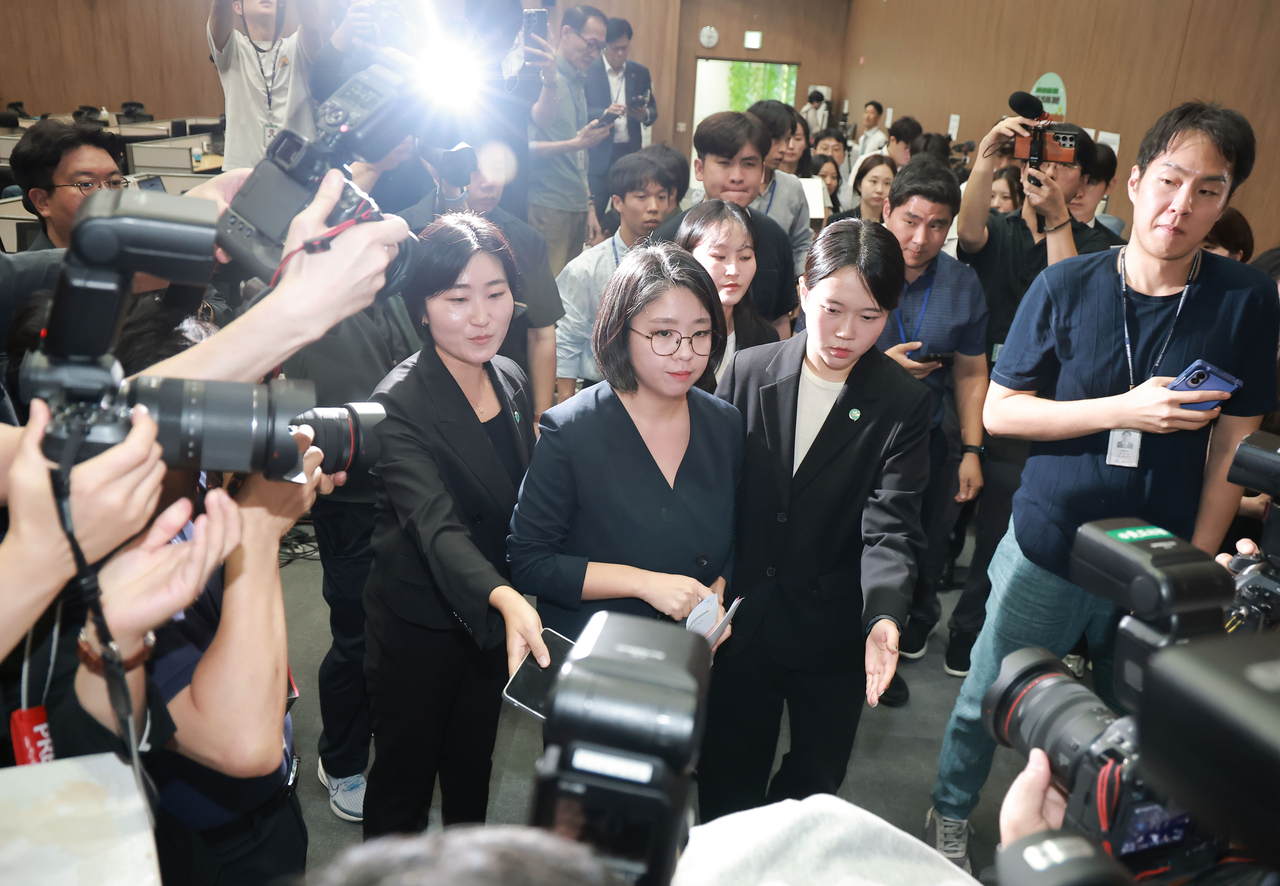
However, Yong said she intends to proceed with her confirmation hearing, pushing back against the criticism surrounding her at an emergency news conference at the National Assembly on Thursday.
“As a matter of principle, the law permits lawmakers to concurrently serve as Cabinet ministers,” Yong said. “I will do my part both in the government and in the National Assembly.”
Yong also rejected criticism over her husband’s appointment to a party post, saying there had been “no procedural irregularities” in the process.