
 KB News Desk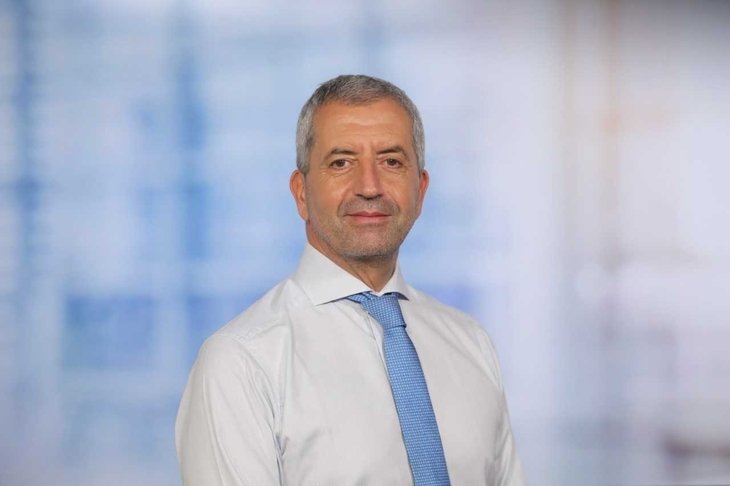
HIT Forum speaker Frank Benzimra sees wider investment opportunities on AI gains and governance reforms
South Korea’s artificial intelligence rally must expand beyond Samsung Electronics and SK hynix if the country is to achieve broader and more sustainable stock market growth, according to Frank Benzimra, head of Asia equity strategy at Societe Generale.
The two chipmakers now account for more than 48 percent of the Kospi’s roughly 5,610 trillion won ($4.1 billion) market capitalization and two-thirds of the combined first-half net profit of all Kospi-listed companies.
“Today, the Korean market remains essentially a semiconductor market in terms of earnings and return contributions,” Benzimra said in a written interview with The Korea Herald. “The transmission of AI’s economic benefits has been narrow.”
While AI investment has generated extraordinary gains for semiconductor producers, its effects have yet to spread meaningfully through wages, consumption and other industries, he said.
“When that broadening happens, it will create more investment opportunities across the stock market,” he added.
Benzimra, who has more than 30 years of market experience, has led Societe Generale’s Asia equity strategy since 2015.
While companies further down the supply chain, including electronic components maker Samsung Electro-Mechanics, have begun attracting investor attention, the market remains heavily tilted toward chipmakers.
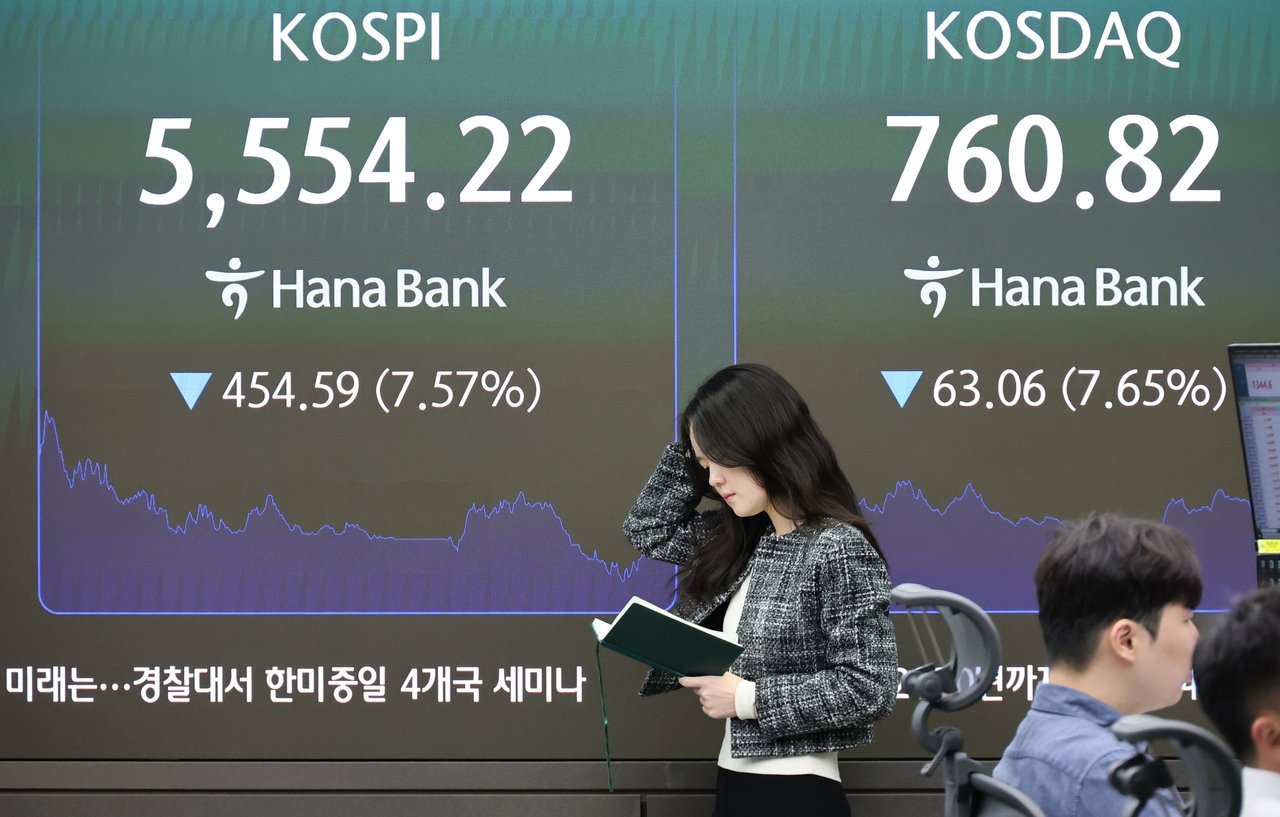
That concentration has contributed to severe price swings, making the Kospi one of the world’s most volatile major stock indexes this year.
The benchmark index plunged more than 40 percent in just over a month, falling from an intraday record of 9,385.99 on June 19 to 5,262.77 on July 29.
“A large part of the market volatility relates to rapidly rising market concentration and leverage centered on the two big Kospi names,” Benzimra said. “Addressing this concentrated leverage would be a first step toward improving market quality.”
Both retail and foreign investors have concentrated their bets on technology stocks, particularly semiconductors, leaving the broader market exposed to the industry’s sharp cycles.
“Korean earnings are cyclical by nature, given the Kospi’s exposure to global growth,” Benzimra said.
The growing use of long-term supply agreements in the semiconductor industry could provide greater earnings and capital-spending visibility, he said. But such arrangements are unlikely to eliminate Korea’s broader sensitivity to the global economic cycle.
“This cyclical nature may not end, given that Korea’s exports remain concentrated in sectors dependent on the global economic cycle,” he said.
Unlocking shareholder value
Benzimra identified the semiconductor upcycle and corporate governance reforms as the two main forces behind the recent rally in Korean equities — with chips providing the greater lift.
“The former has been dominating the latter,” he said, stressing that a lasting market rerating would require price-to-book ratios to rise more broadly across the exchange.
A growing number of listed companies have announced plans to strengthen shareholder returns amid government pressure to improve corporate value. But the market gains associated with the Value-Up initiative have remained concentrated in technology stocks, Benzimra said.
“An analysis of the Value-Up Index indicates that most of the return contribution has come from technology,” he said. “Excluding the technology sector, the cash-to-market-cap ratio is still among the highest in the world.”
That suggests many Korean companies continue to hold substantial cash without deploying enough of it through investment, dividends or share buybacks to increase shareholder value.
Benzimra said revisions to the Commercial Act, the cancellation of treasury shares and the growing use of share buybacks had begun to influence corporate and investor behavior.
But turning those measures into a sustained “Korea premium” would require greater confidence that companies are being run in the interests of all shareholders.
Further progress, he said, depends on “building conviction that firms are managed in the interest of shareholders, as opposed to the industrial policy agenda or controlling-family interests.”
Benzimra will join The Korea Herald’s 2026 HIT Forum as a panelist on Sept. 8 at the Korea Chamber of Commerce and Industry in central Seoul.
Held under the theme “Korea Premium: Connecting Korean Opportunities with Global Capital,” the forum will bring together Korean and global market experts to examine the country’s efforts to become a more competitive and attractive destination for international investment.
Benzimra will participate in a panel discussion titled “Can Korea Become a Global Investment Destination?”