
 KB News Desk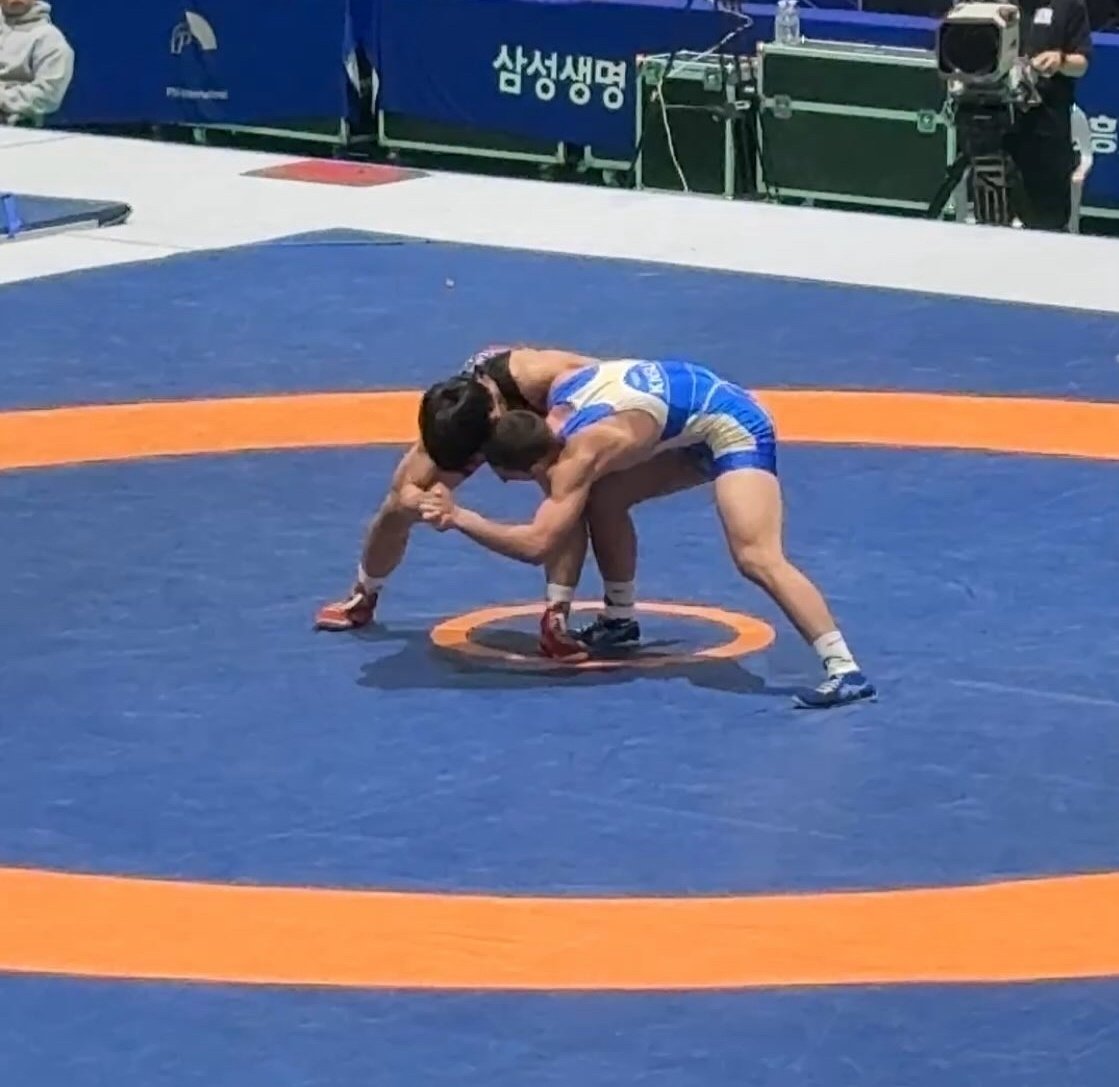
Fouda Faris Ahmed hopes to follow his brother, who became the first naturalized Korean to represent the country in wrestling
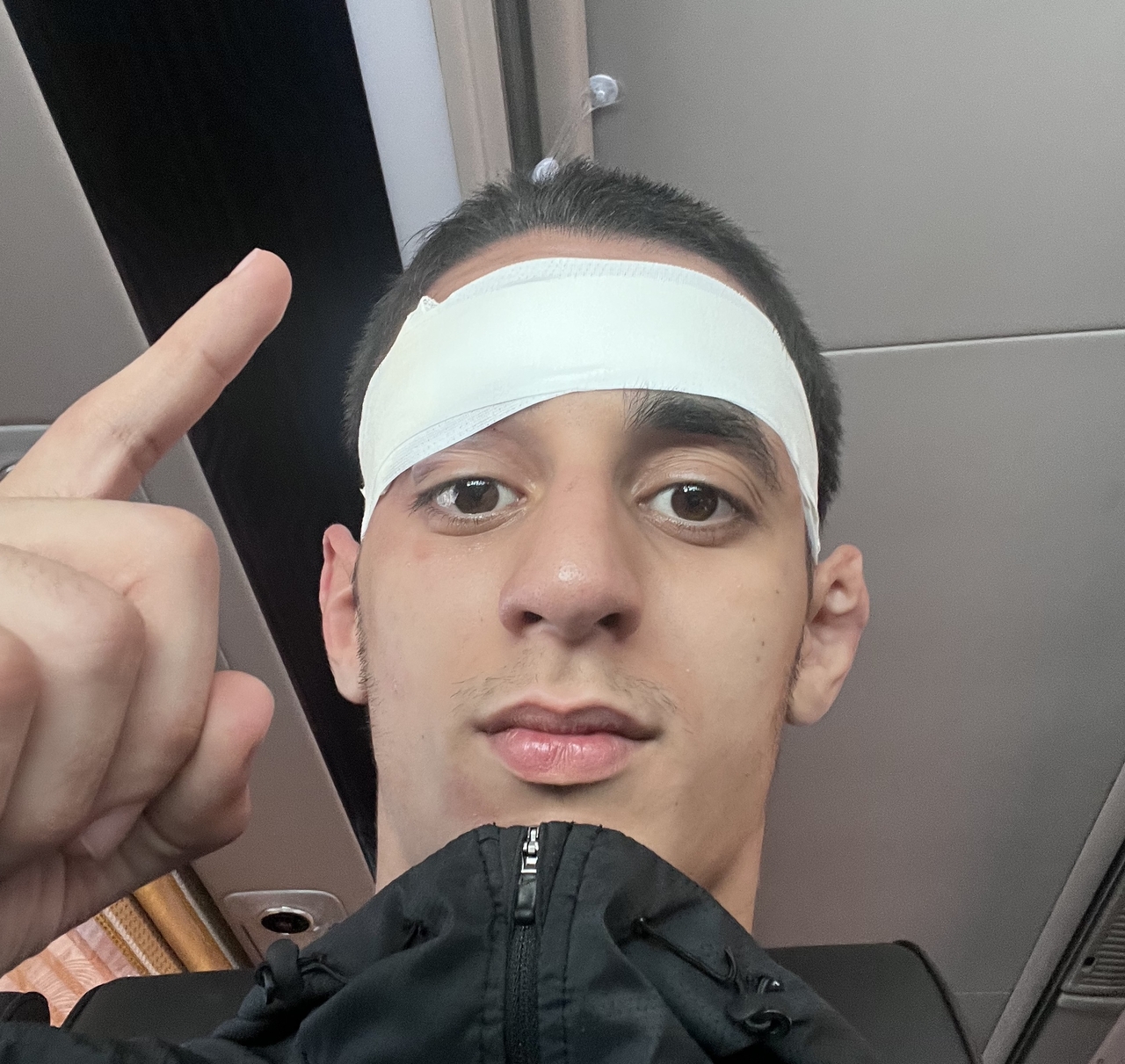
Fouda Faris Ahmed has won four consecutive wrestling tournaments in South Korea. But the 21-year-old, who was born and raised in South Korea, cannot enter the country’s national team trials.
An Egyptian citizen, Ahmed is seeking special naturalization so he can compete under the Korean flag and, he hopes, one day hear South Korea’s national anthem from an Olympic podium.
“Whenever I imagine winning the Olympics or another championship for a country other than Korea, my heart does not pound,” Ahmed told The Korea Herald on Monday. “I feel excited and proud only when I picture myself succeeding as a Korean athlete.”
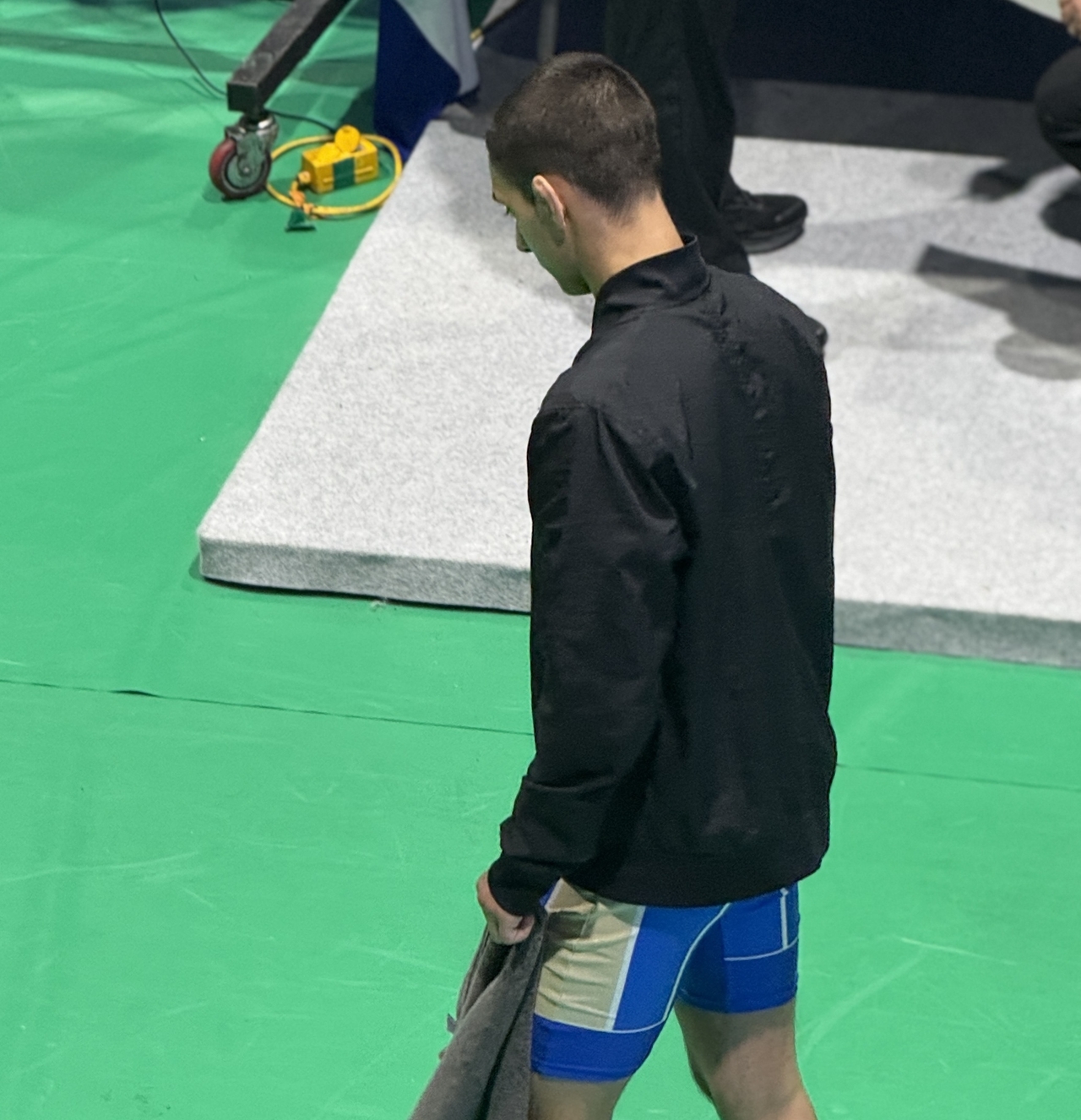
A sophomore at Korea National Sport University, Ahmed competes in the men’s Greco-Roman 63-kilogram division. Born to an Egyptian father and a Russian mother, he speaks Korean as his first language but remains an Egyptian citizen.
For Ahmed, Korean citizenship would be more than a change on paper. It would formally recognize the identity and sense of belonging he has developed over a lifetime in Korea.
As an elementary school student, Ahmed sometimes drew attention from adults who were surprised to hear a child they assumed was foreign speak Korean. But warm conversations could turn hostile after he disclosed his parents’ nationalities, he said.
“They would ask, ‘Then why are you Korean?’ or ‘Why are you in Korea?’ and sometimes tell me, ‘Go back to your country,’” he recalled. “As I grew older, such remarks became more painful because I now understand that although I am Korean at heart, I am not yet legally recognized as Korean.”
Those experiences strengthened his determination to naturalize, he said.
Citizenship is also a practical barrier to his athletic career.
Without it, Ahmed cannot represent Korea or enter its national team trials. Missing international competitions deprives him of valuable experience as he prepares for the events he hopes to enter after naturalization.
“Competing against foreign wrestlers in Korea and facing them abroad are on completely different levels,” he said, citing unfamiliar environments, time differences and competition tempos.
Ahmed began preparing an application for special naturalization in May after establishing a strong record in domestic competitions. Korean law allows special naturalization for people with exceptional abilities in fields including sports who are expected to contribute to the national interest.
He has won four consecutive domestic tournaments since November 2025, most recently taking the 63-kilogram title at the National University Wrestling Championships in August.
His winning streak has also underlined the unusual position he occupies: successful enough to dominate domestic competition, but ineligible to try out for Korea’s national team.
Ahmed attributed much of his development to the “merciless, high-intensity training” led by his older brother, Fouda Mo Aiz Ahmed, who became the first naturalized Korean wrestler in 2025 after a roughly two-year process.
Upon naturalizing, Mo Aiz adopted “Mo” as his Korean surname and designated Incheon, the brothers’ hometown, as the clan’s ancestral seat, becoming the founder of the “Incheon Mo” clan.
Faris Ahmed would become the second naturalized Korean wrestler if his application succeeds. Still undecided about his Korean name, he said he may retain his current name, join his brother’s Incheon Mo clan or, he joked, establish an “Incheon Fa” clan of his own.
His competitive goal is clearer. Ahmed plans to move up to 67 kilograms — an Olympic Greco-Roman weight class — and ultimately win Olympic gold for Korea.