
 KB News Desk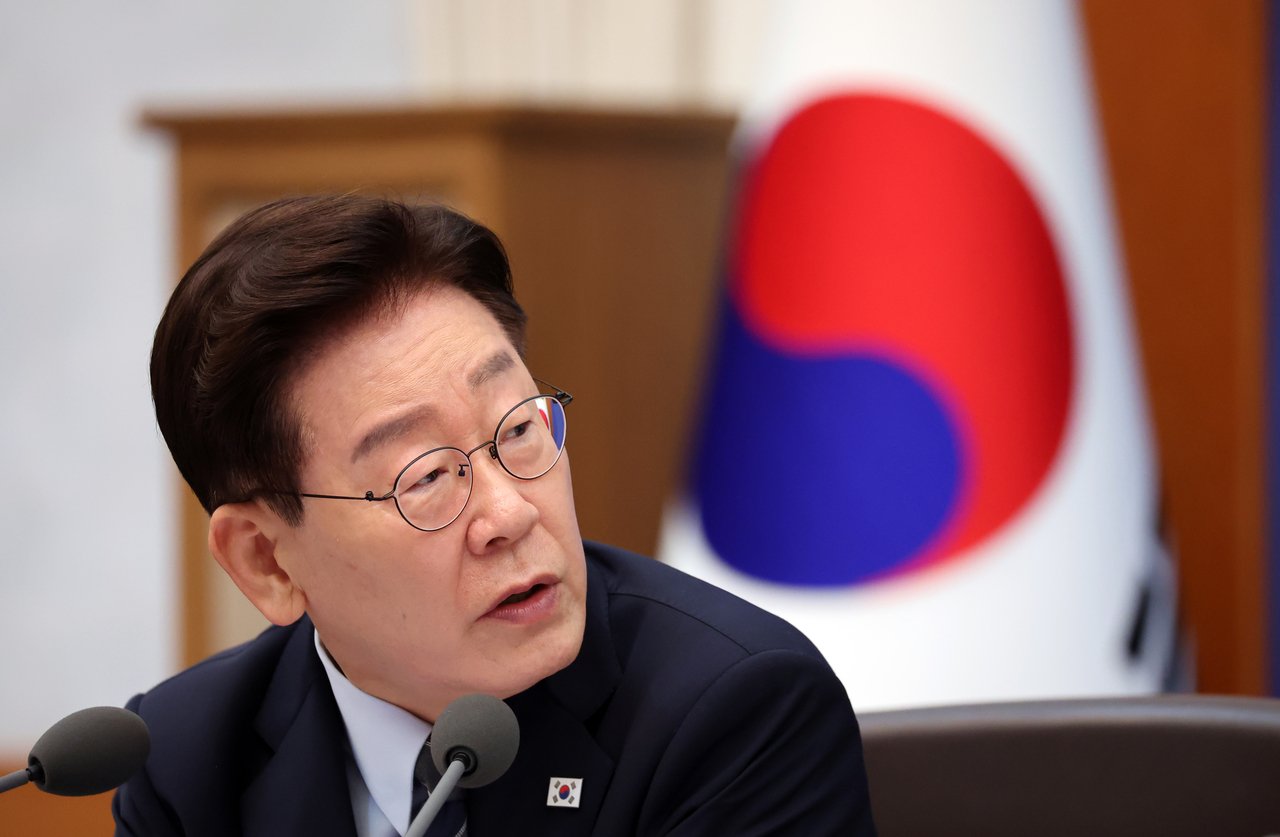
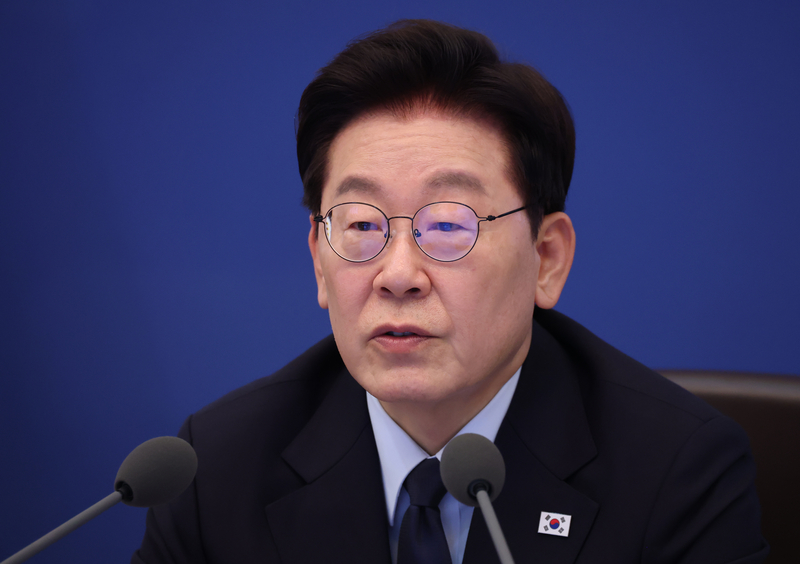
President Lee Jae Myung on Tuesday instructed Prime Minister Han Seong-sook to overhaul the system for handling missing-person cases, underscoring the importance of establishing clear lines of ultimate responsibility in the process.
Lee’s instruction came amid mounting controversy over two missing person cases on Jeju Island that a police officer allegedly closed on fabricated grounds after falsely recording that contact had been made with the individuals. Both were later found dead in separate cases in August.
Lee cited figures showing that 930 people reported missing in 2025 were later found dead, along with around 1,100 in 2024.
He acknowledged chronic staffing shortages within the police, noting that officers handling missing person cases are often overloaded, juggling shift rotations and heavy caseloads while managing investigations, public safety and other duties.
The excessive workload may have contributed to serious lapses such as those exposed in Jeju.
“The workload may be a factor, but this is ultimately a matter of people’s lives,” Lee said during a Cabinet meeting at Cheong Wa Dae.
Interior and Safety Minister Yun Ho-jung said police have since revised their missing-person profiling system so individual officers can no longer unilaterally close cases.
Lee, however, said procedural changes alone would not be sufficient.
“There are already plans to improve the system, the way cases are closed, the supporting documentation required and the allocation of personnel,” Lee said. “But what I am concerned about, and what I am asking for going forward, is that we make clear who ultimately bears responsibility.”
Lee then asked Han to include missing person cases in the government-led initiative to prevent avoidable deaths, which are coordinated at the government-wide level under the prime minister’s office.
“We deliberately call ourselves a government that saves lives and protects lives,” Lee said, suggesting that missing person cases should be treated alongside other causes of premature death requiring systematic government intervention.
Lee highlighted the importance of compiling more detailed statistics on what happens to people after they are reported missing, including deaths within a year of a missing-person report and the different ways such cases are ultimately closed.
“We need to take another look at this system and make clear where the ultimate responsibility lies,” Lee said. “Compile the statistics in detail as well, and closely track how these cases progress at each stage. We need to pay particular attention to missing-person cases.”
In response, Han said she was reviewing who should bear ultimate responsibility for closing a missing-person case, while separately examining police staffing more broadly as part of the police reform drive Lee ordered last Tuesday. That order came as police prepare to assume investigative authority from prosecutors under a criminal justice overhaul set to take effect Oct. 2.
During the meeting, Yun pointed to legal constraints on searches for missing adults. Unlike in cases involving children or people with disabilities, police generally cannot track a missing adult’s location or access financial transaction records because of privacy protections, he said.
Yun said legislation pending before the National Assembly’s Public Administration and Security Committee would allow such measures on a limited basis for people considered at risk of suicide or in need of urgent medical treatment, potentially helping authorities respond more quickly to high-risk missing person cases.
During the Cabinet meeting, Lee notably voiced concerns that a small number of officers tarnish the broader police force.
“There has been a great deal of discussion about police reform recently, and as a result, scrutiny of the police has increased, and criticism has grown,” Lee said.
Lee stressed the “extremely important role” police play in maintaining public order and providing a wide range of public services, while acknowledging that the police are severely understaffed relative to their workload and that officers are often overburdened.
“Regrettably, the actions of a very small number of bad apples end up damaging the honor and pride of the vast majority who diligently and faithfully carry out their duties,” Lee said. “It is clear that most police officers are doing their utmost.”