
 KB News Desk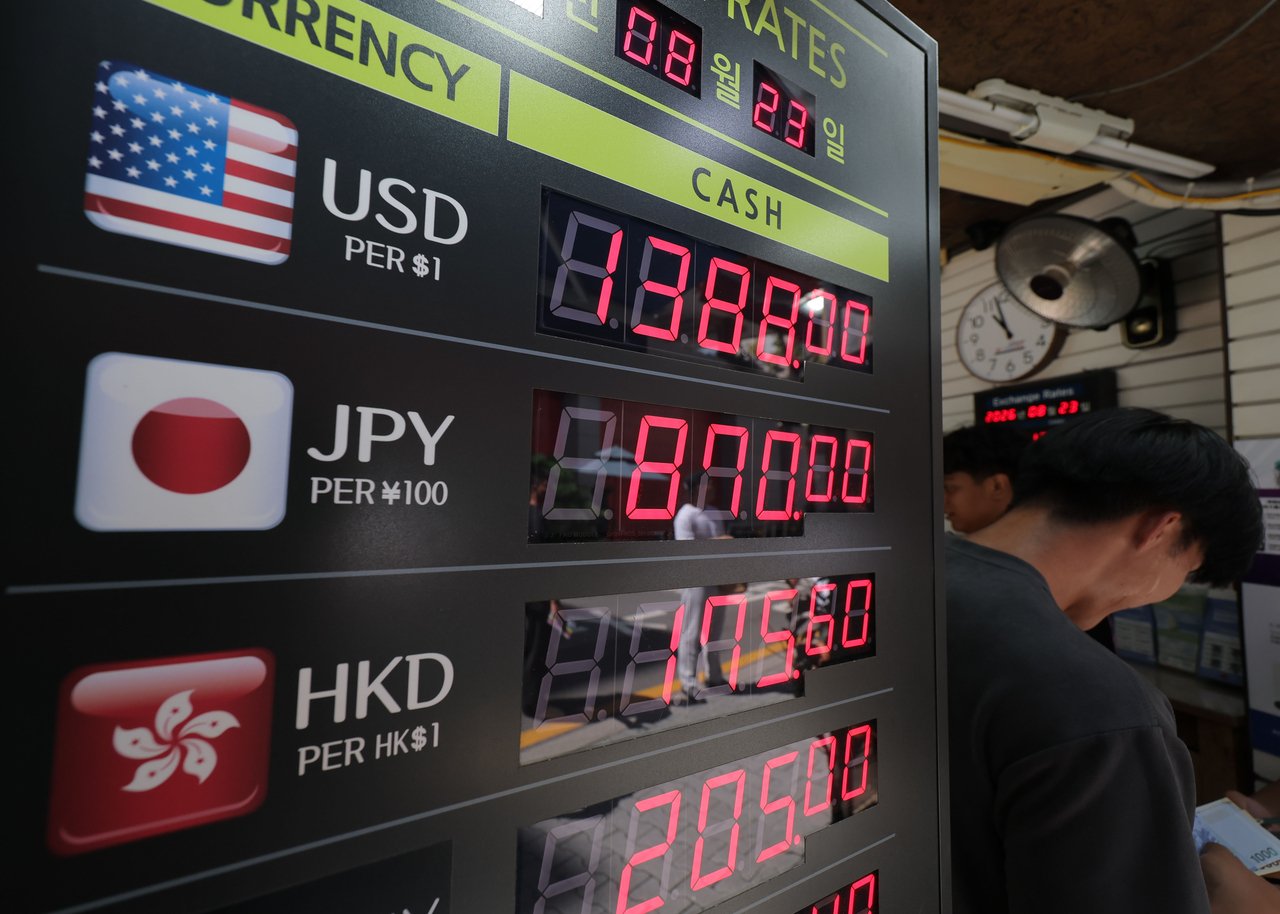
Record shareholder returns may spur dollar selling, but foreign dividend repatriation could limit currency impact
The won’s recent rally could gain momentum from Samsung Electronics and SK hynix, as their record shareholder returns are expected to trigger billions of dollars in currency conversions.
Earlier this month, the Korean won broke into the 1,300-per-dollar range for the first time since October. While the won has been hovering around the 1,370-1,380 per dollar range in recent sessions, analysts said the currency could strengthen further, supported by the large shareholder return initiatives.
The country’s two chip giants, Samsung Electronics and SK hynix, have both recently announced record shareholder return programs. The payouts are expected to generate additional dollar-selling pressure as the companies convert some of their overseas earnings into won to fund the returns, potentially strengthening the Korean currency.
Samsung Electronics is set to distribute about 30 trillion won ($21.7 billion) in cash in the third quarter, including regular dividends, as part of its 90 trillion won to 110 trillion won shareholder return plan. SK hynix will spend 40 trillion won to buy back its own shares on the open market over three months.
As dividends and share buybacks in the Korean stock market are paid in won, companies use dollar earnings from exports to fund shareholder returns; this need to sell dollars and buy won increases dollar supply in the foreign exchange market and supports the Korean currency.
“Expectations for shareholder returns from Samsung Electronics and SK hynix have recently fueled dollar-selling sentiment,” said NH Investment & Securities analyst Kwon Ah-min.
“Assuming all of the funds earmarked for shareholder returns by the two companies are converted into won, the impact on the forex market would be comparable to the dollar-selling volume generated by SK hynix’s American depositary receipt conversion last month.”
SK hynix’s record $26.5 billion US share offering was one of the key factors supporting the won’s valuation against the dollar in recent months.
“Both companies are expected to convert some of their foreign-currency holdings to fund large-scale shareholder returns, keeping dollar supply in excess of demand for the time being,” said Park Sang-hyun, an analyst at iM Securities.
While Park forecast the won could strengthen to 1,350 won per dollar by year-end, Kwon expects the currency to trade as much as 1,340 won per dollar.
The extent of the won’s appreciation, however, could vary, depending on how much of the companies’ foreign-currency holdings are converted, as they could also use won-denominated funds generated from their domestic operations.
As a result, only around 40 percent to 50 percent of their shareholder return funds may actually be converted into won, Kwon noted.
At the same time, foreign investors’ repatriation of cash dividends could work in the opposite direction. After receiving dividends, offshore investors may convert the funds into dollars and remit them overseas, creating additional dollar demand and putting pressure on the won.
Foreign investors hold roughly 47 percent of Samsung Electronics and 51 percent of SK hynix, respectively.
Against this backdrop, the shareholder payouts could have a more limited impact on the forex market, Kwon said.