
 KB News Desk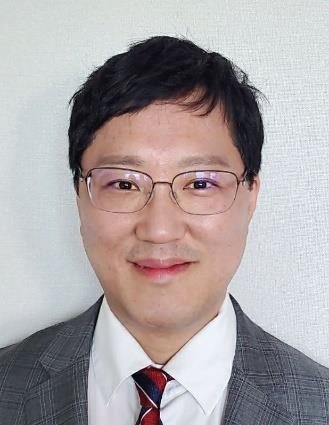
HIT Forum panelist Park Jeong-woo sees gains from chips and governance reforms, but says broader growth is needed for sustained premium
Korea’s stock market may be starting to shed its long-standing discount, but the Kospi’s sharp rally has yet to translate into a market rerating, according to a senior Nomura economist.
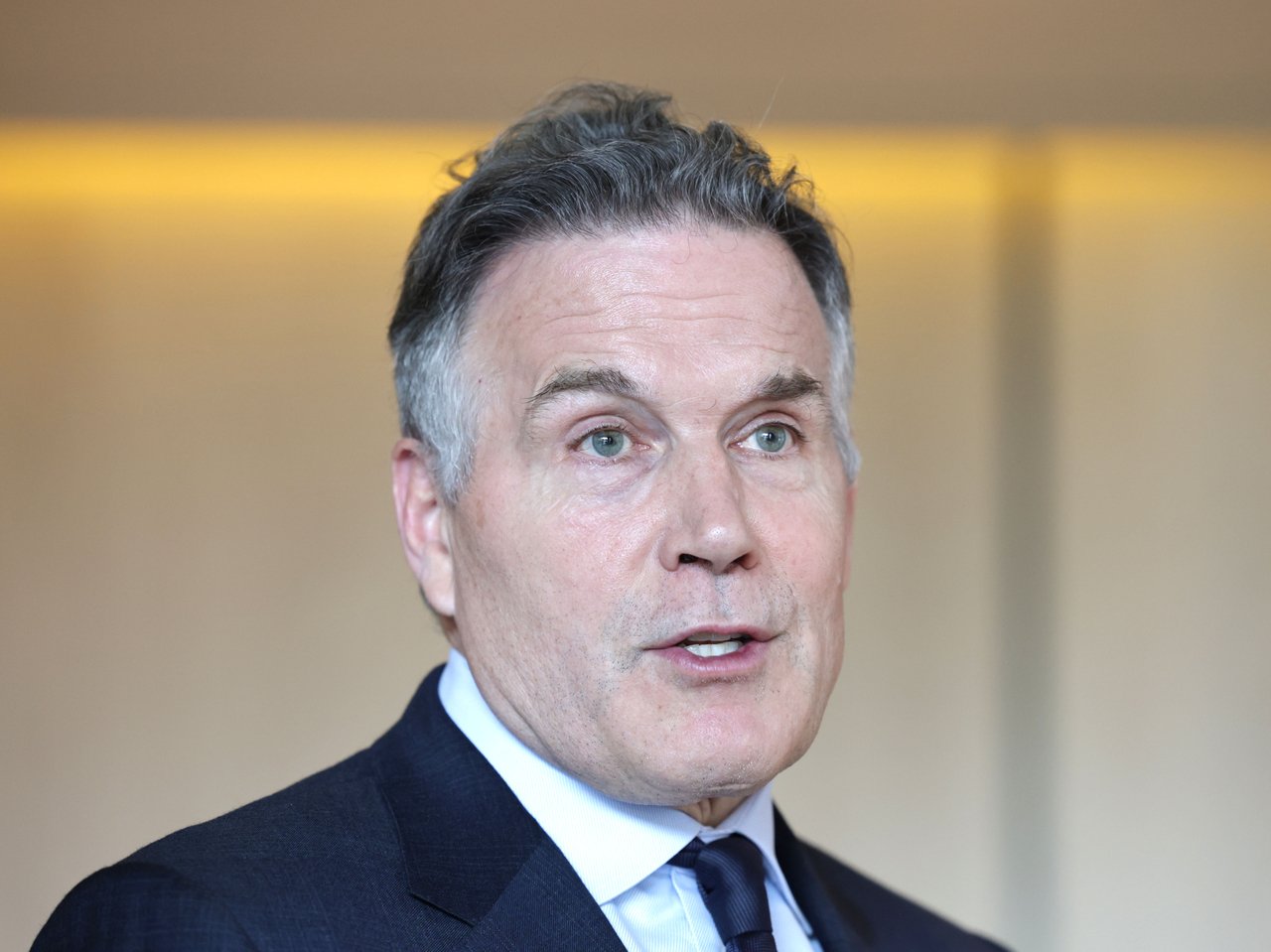
“We believe Korea is beginning to move beyond the traditional ‘Korea discount,’ but it is too early to call it a sustained premium,” Park Jeong-woo, Nomura’s senior economist for Korea and Taiwan, said in a recent interview with The Korea Herald.
Despite the Kospi’s strong gains, Park said valuations suggest investors are not yet willing to pay a higher multiple for Korean equities. The benchmark’s 12-month forward price-to-earnings ratio stands at around 5, he said, near its lowest level since the 2008 global financial crisis and below the pandemic-era trough of about 7.5.
“Surprisingly, despite the recent massive rally in the Kospi, we have not seen any indication of the Kospi rerating,” Park said.
The rally has since partially unwound, with the Kospi falling roughly 30 percent from its June 19 peak by late August.
Still, Park remains positive on the market over the longer term, pointing in particular to structural changes in the semiconductor industry that could lift returns on equity.
Korea is still viewed by many global investors as a tactical market closely tied to semiconductor cycles and global trade rather than a permanent strategic allocation, he said. But that perception could change as the role of semiconductors evolves.
Park argued that computing capacity is increasingly becoming a productive asset with collateral value rather than simply a consumable input, potentially giving semiconductors greater strategic importance. That shift could have broader implications for Korea, where the chip cycle increasingly feeds through not only to exports but also to income, investment and domestic demand.
Global investors “often underestimate how strongly the semiconductor cycle now affects Korea’s income, investment and domestic demand, not just its exports,” he said.
At the same time, the heavy concentration of recent market gains in semiconductors and other export industries remains a constraint. For Korea to achieve a broader and more durable rerating, Park said stronger domestic demand and earnings growth across a wider range of companies will be needed.
Corporate governance also remains central to whether Korea can eventually command a sustained premium.
Park cited stronger protections for minority shareholders and policies encouraging dividends and share buybacks as among the most meaningful recent reforms. But new rules alone will not be enough.
“The main gap is implementation: investors need to see consistent action at the company level, not just new rules,” he said.
Weak governance, inconsistent policy and limited predictability in shareholder returns continue to deter sustained global capital inflows, while market accessibility and volatility in the won also remain concerns, Park said.
Currency weakness can reduce dollar-based returns and add volatility for foreign investors, but Park said the won’s weakness should largely be seen as a reflection of external capital flows and global macroeconomic conditions rather than evidence of a fundamental weakness in Korean assets.
Japan, often seen as a key reference for Korea’s efforts to improve market valuations, offers a useful comparison for how a sustained rerating can take hold over time.
“Japan shows that reform must be sustained for many years and supported by both regulators and companies,” Park said.
Korea can follow a similar path, he added, but its heavier reliance on semiconductors and different corporate ownership structure mean the outcome could be narrower and more uneven than Japan’s.
Park will join The Korea Herald’s 2026 HIT Forum as a panelist on Sept. 8 at the Korea Chamber of Commerce and Industry in Seoul. Held under the theme “Korea Premium: Connecting Korean Opportunities with Global Capital,” this year’s forum will bring together domestic and global market experts to discuss Korea’s efforts to strengthen its appeal to international investors. Park will take part in a panel discussion titled “Can Korea become a global investment destination?”